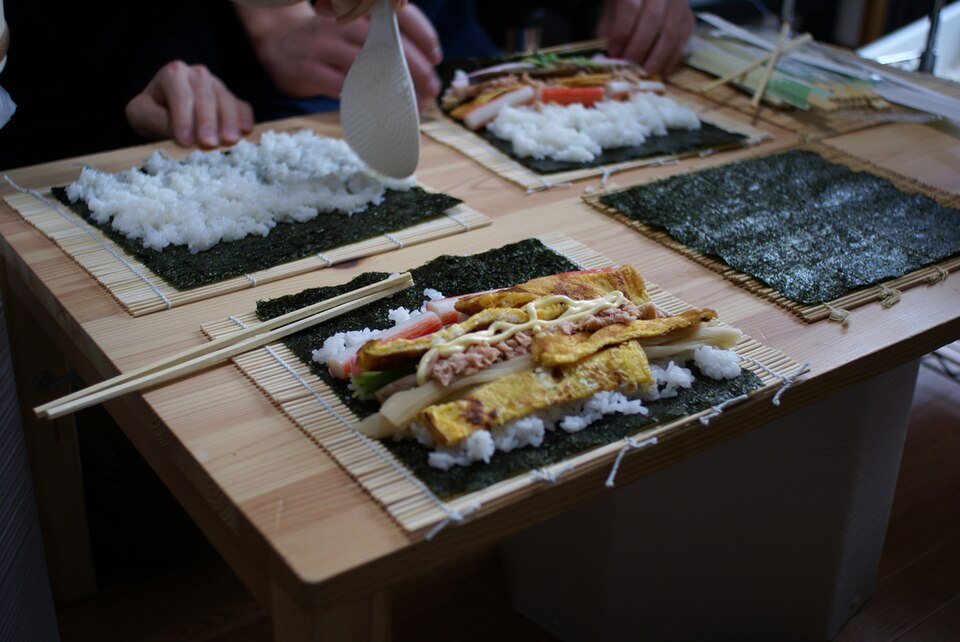
How to Use a Sushi Mat: Roll, Release and Clean
To use a sushi mat, place the bamboo strips horizontally, arrange the nori and filling near the edge closest to
Comparison guides for choosing wa handle woods, shapes, ferrules, sizes, and build priorities. Use this archive when you are deciding between two good-looking options and need the practical tradeoffs spelled out: weight, grip orientation, balance change, horn color, upkeep, and fit for the blade. The strongest choice is rarely the most decorative one by default. Start with the knife type and current handle problem, then compare materials and shapes against the way the knife will actually be used. These guides are written for buyers planning a first custom handle, replacing a loose or tired handle, or narrowing options before sending measurements. They connect broad buying decisions to Horn and Grain ordering details so the next step is clear: measure the knife, choose a realistic material direction, then compare the shop range or the custom configurator.
To use a sushi mat, place the bamboo strips horizontally, arrange the nori and filling near the edge closest to
Choose Hasegawa Pro-Soft if its soft surface and dishwasher-compatible design fit your preparation and washing routine. Consider Asahi Cookin’ Cut
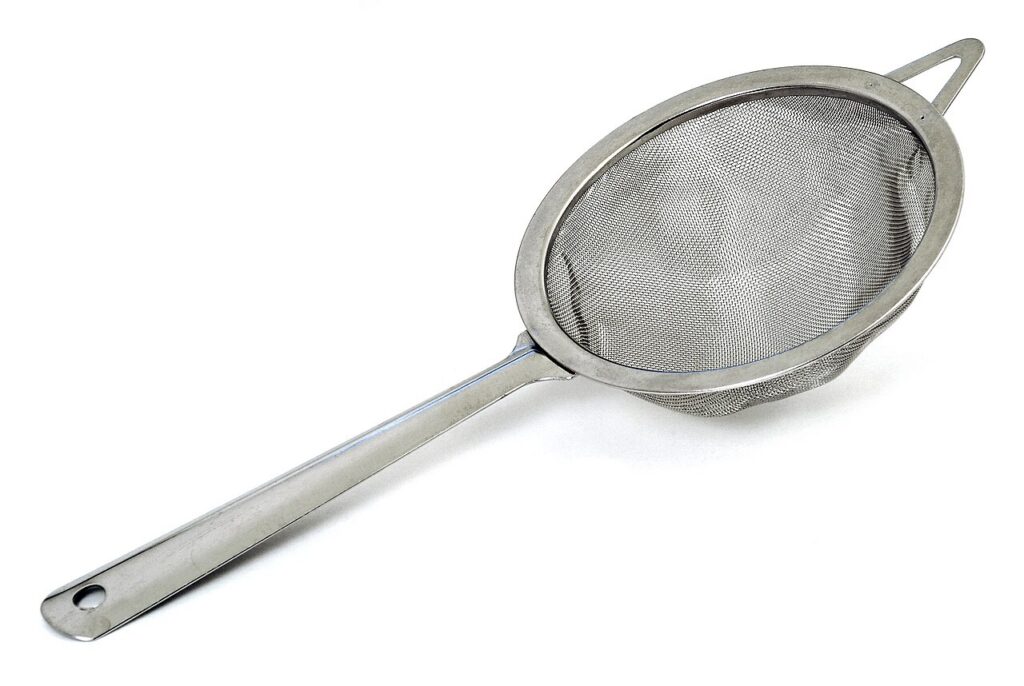
A miso strainer holds miso paste in warm broth while you work it through the mesh with a spoon, chopsticks
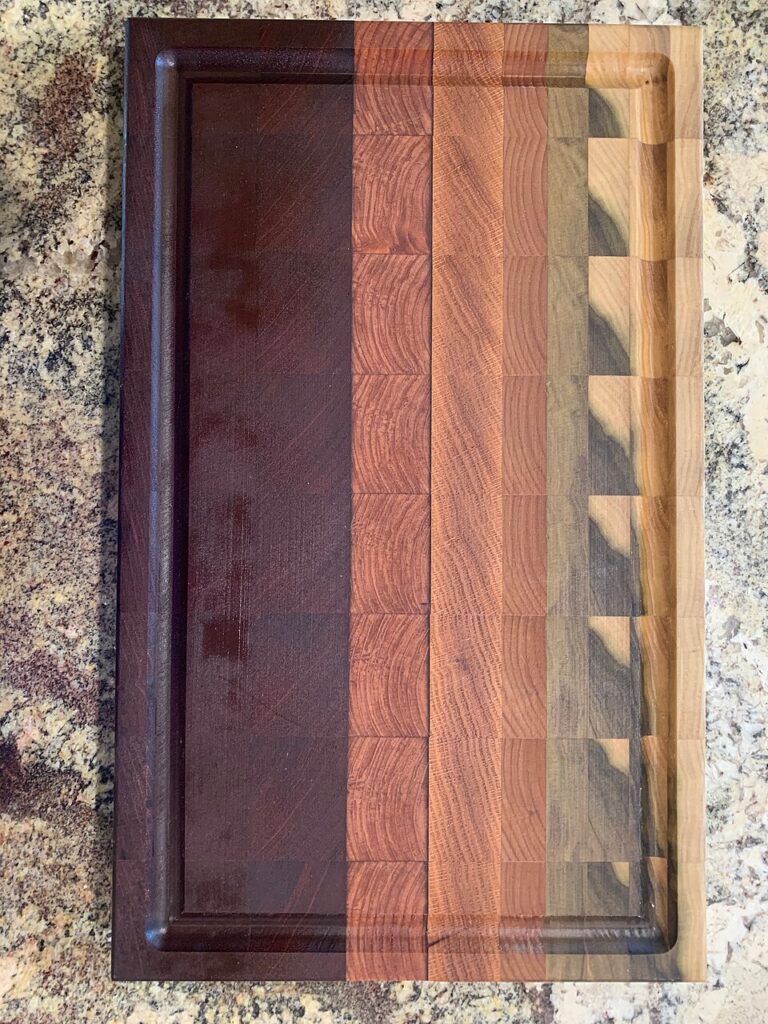
To oil a wooden cutting board, begin with clean, fully dry wood and a food-contact board oil approved for that
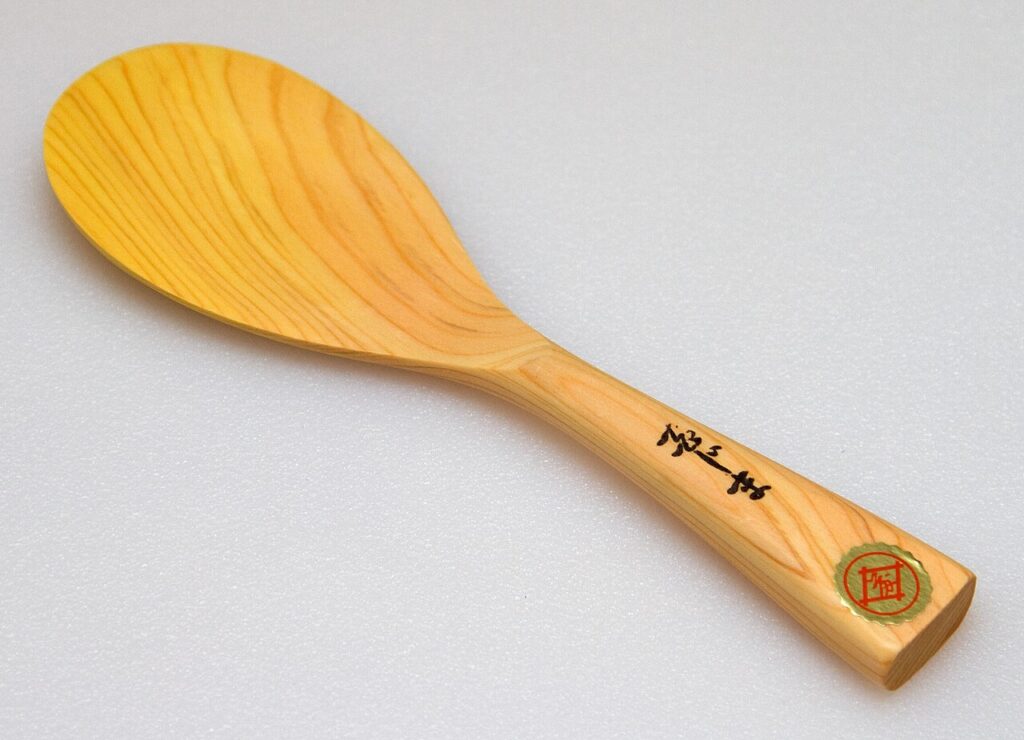
A shamoji is a rice paddle: use its edge to separate cooked rice, then its broad face to lift and
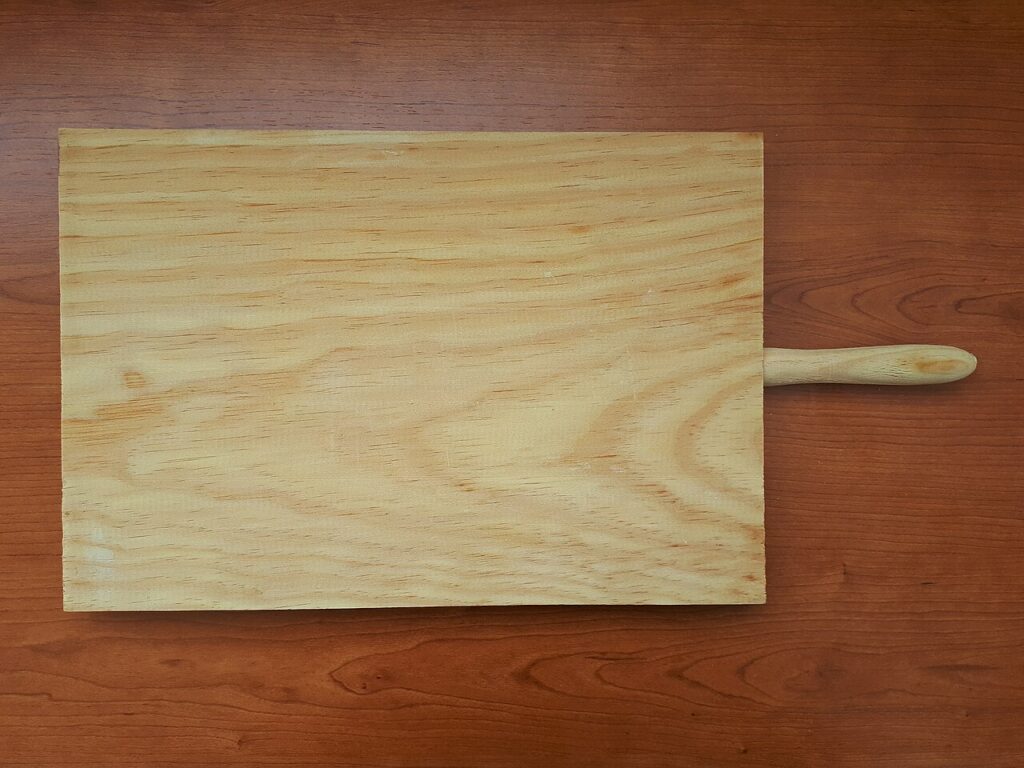
Clean a wooden cutting board with hot, soapy water after use, rinse it and dry it thoroughly. After contact with
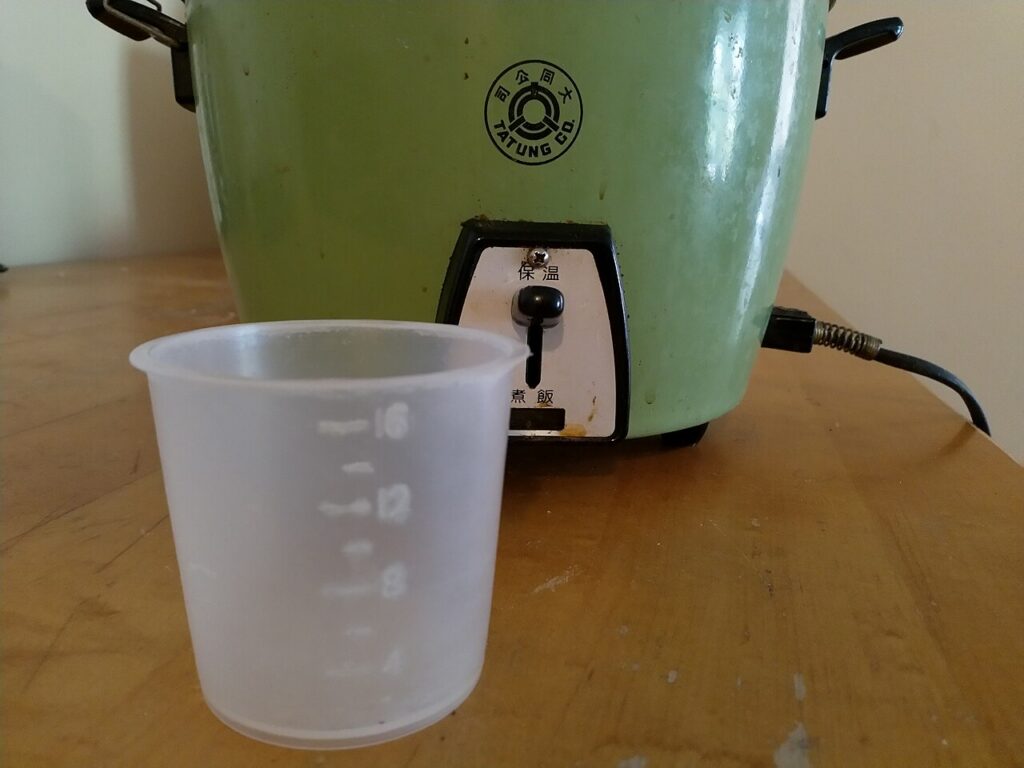
If your rice cooker uses a 180 mL measuring cup and that cup is missing, measure 180 mL of dry
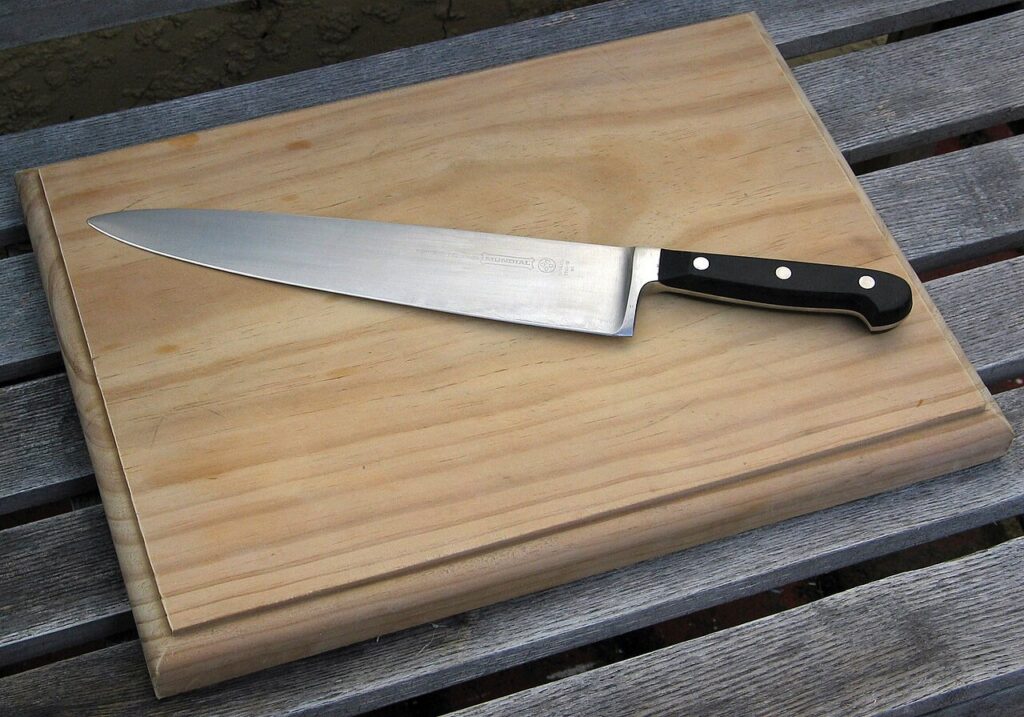
The right cutting-board size is the largest working surface you can use, wash, dry and store comfortably. Start with your
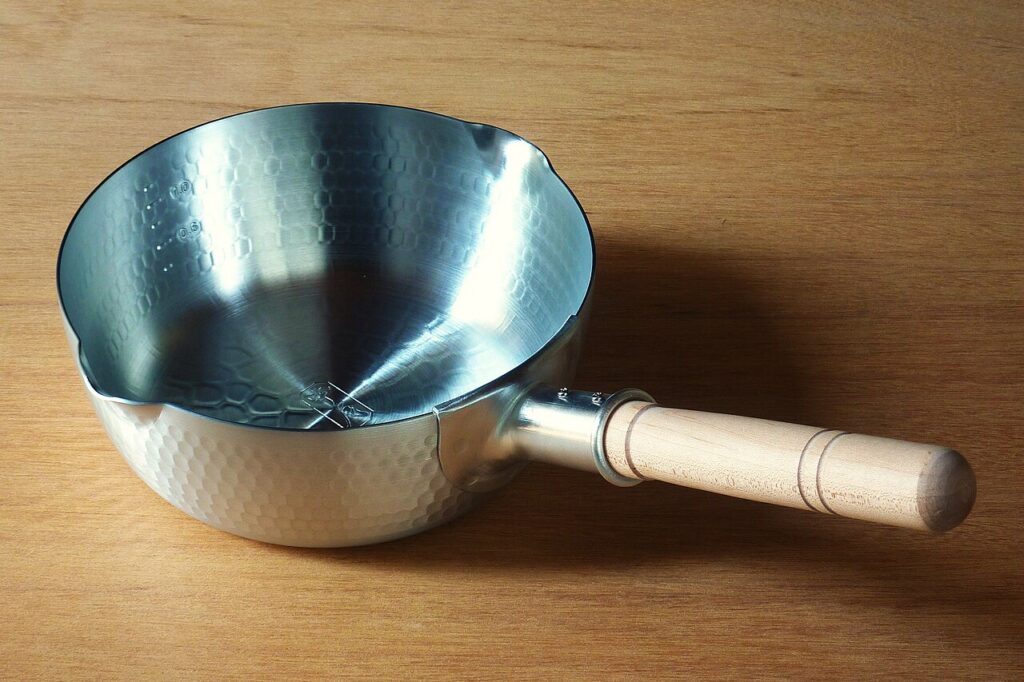
Choose a yukihira saucepan around the amount you normally cook, then confirm that the exact model works on your hob.
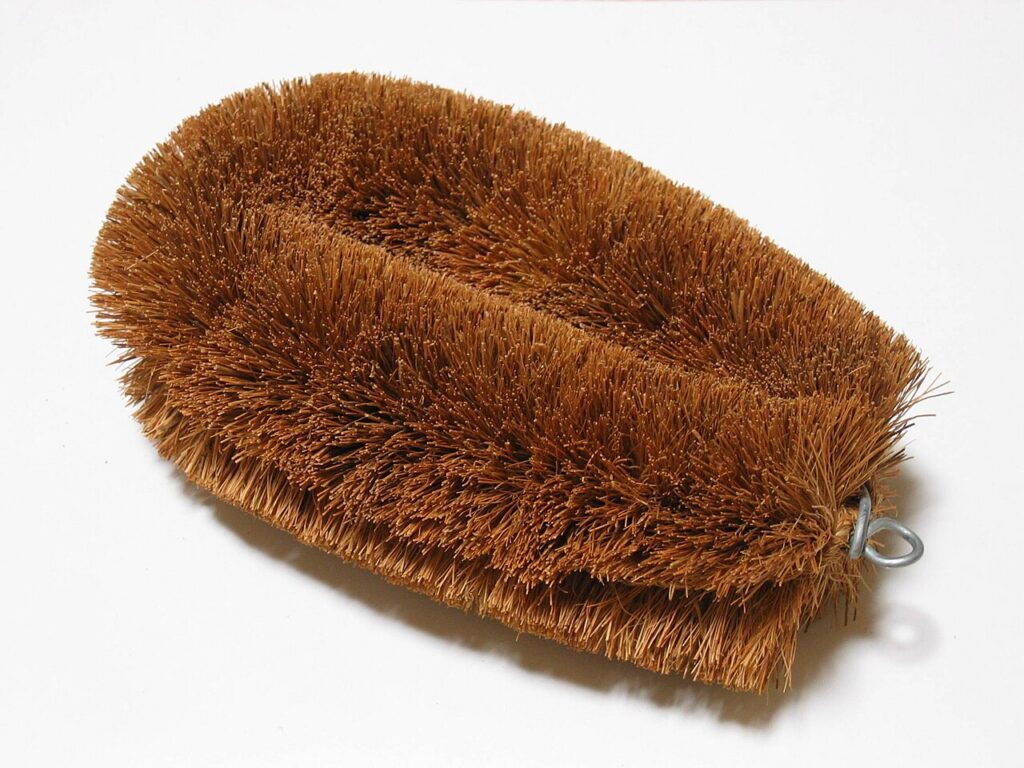
For stubborn soil on sturdy root vegetables or a robust colander, a firm coconut-fiber tawashi is a useful starting point.
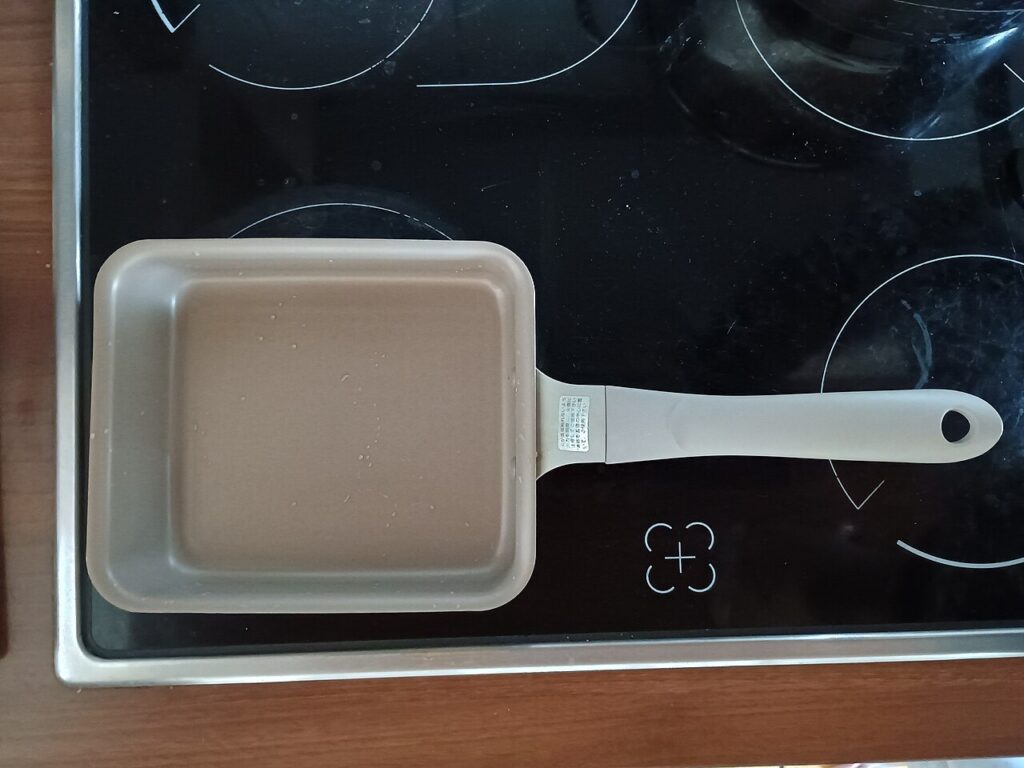
Choose a tamagoyaki pan for the egg batch you normally make, then confirm that the exact pan works on your
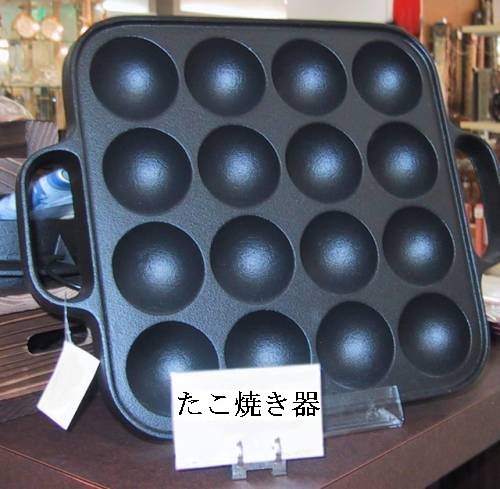
Choose the format before the material. A takoyaki pan can be a standalone stovetop pan, an accessory made to sit

Choose a small suribachi for a little sesame or condiment, and a larger household bowl if you want to grind
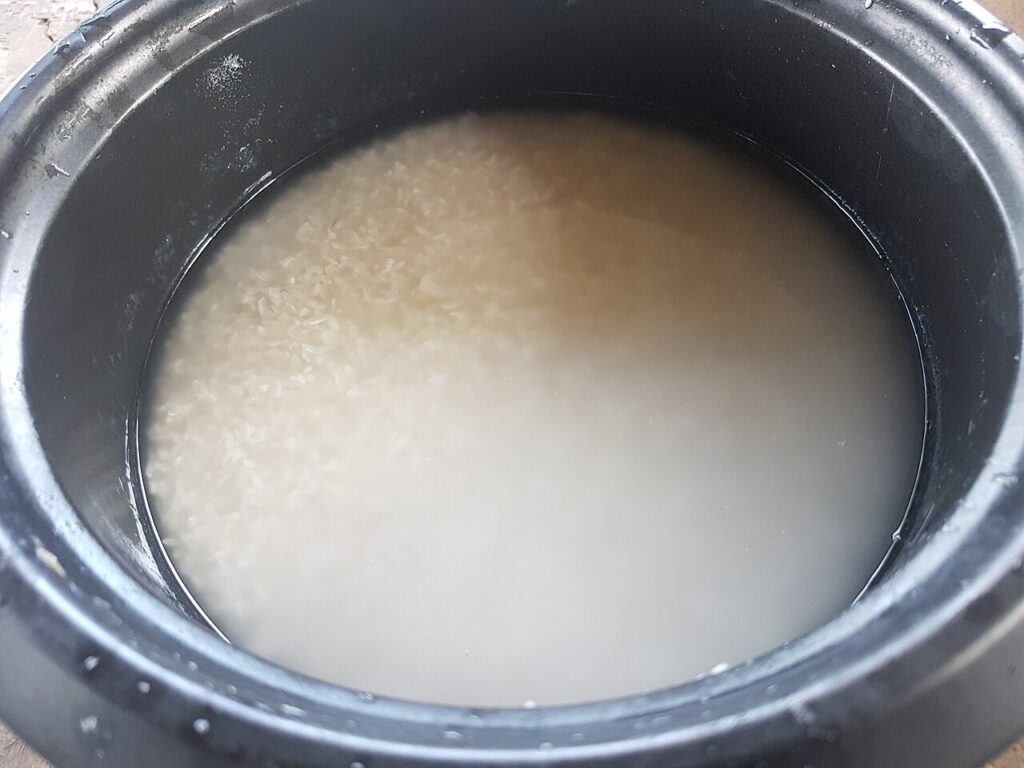
Choose a rice-washing bowl for the amount of uncooked rice you normally prepare and the way you prefer to drain
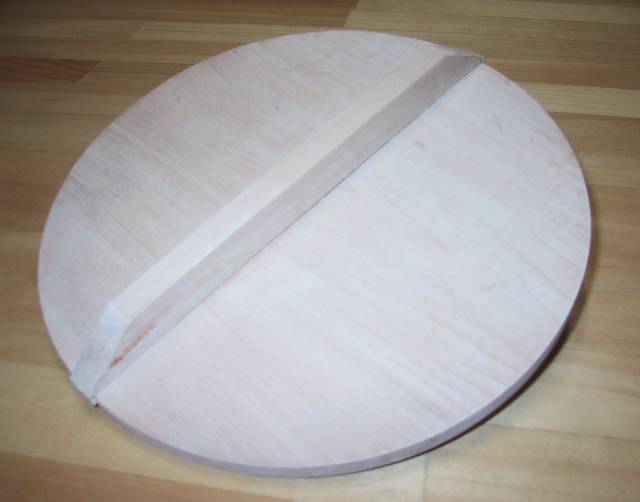
An otoshibuta is a lid that sits directly on simmering ingredients, inside the pot. Choose one small enough to reach
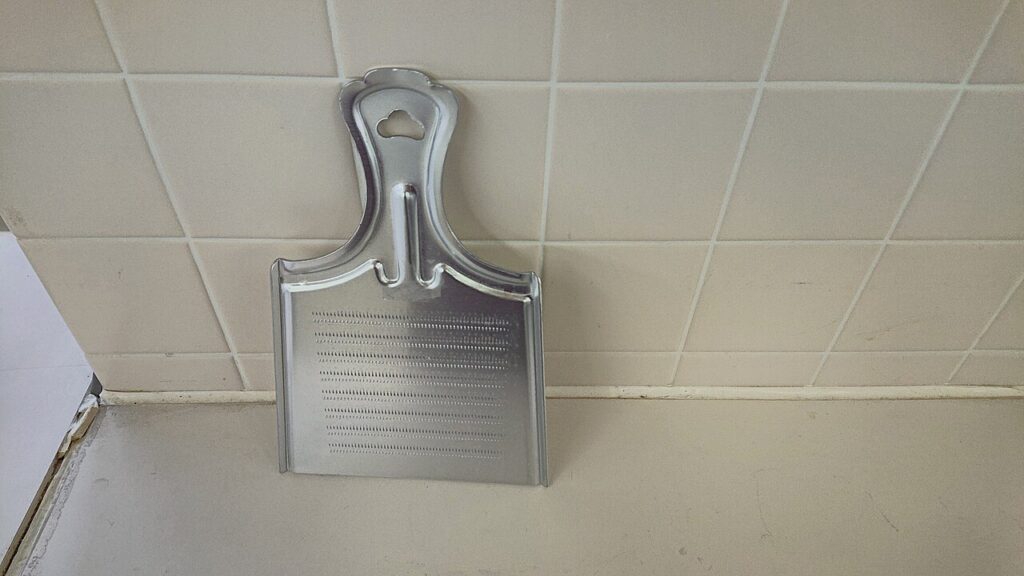
Choose a Japanese grater by the texture you want to eat. For familiar, moist daikon oroshi, look for a standard
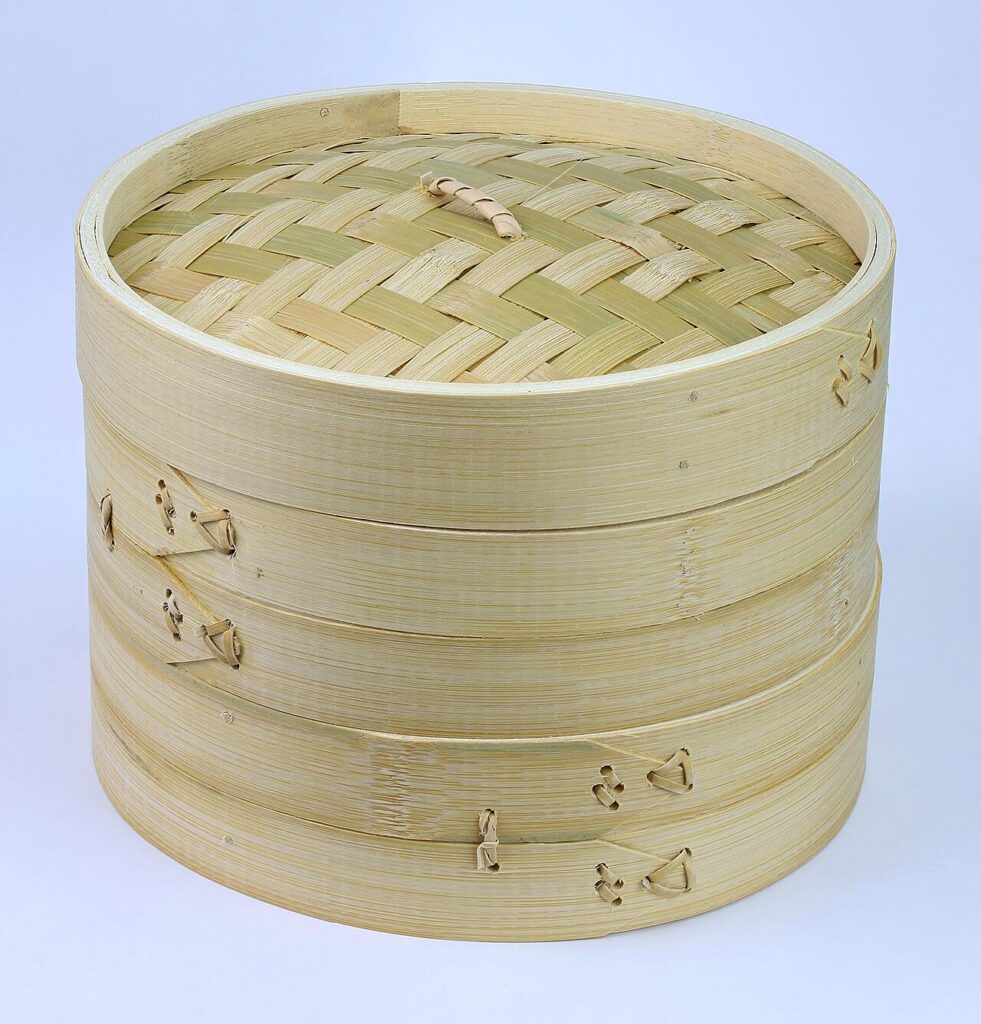
To use a bamboo steamer, support it securely over boiling water, keep the food above the water, and leave a
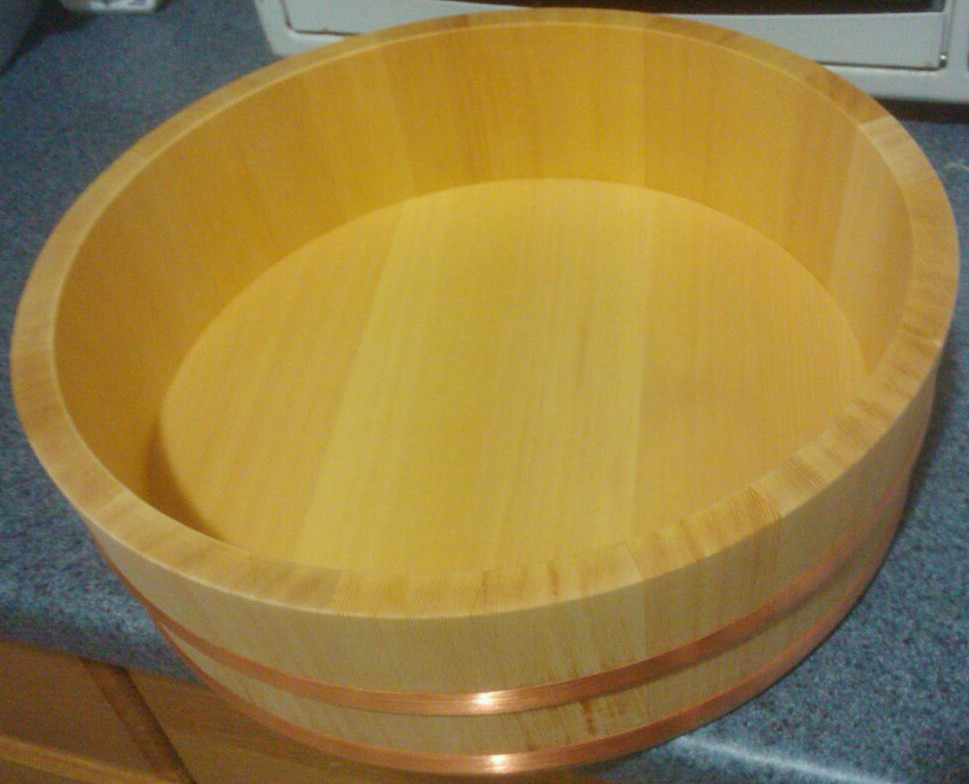
Choose a hangiri when you regularly season and mix sushi rice. Choose an ohitsu when you want a vessel for
We use cookies for analytics and to measure our ads, so we can see how the site is used. Nothing is stored until you choose. Privacy policy