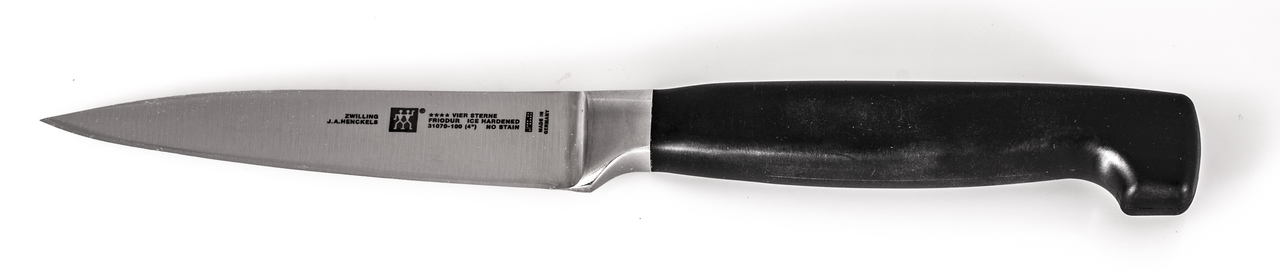
Paring Knife vs Utility Knife: Which One Fits Your Prep?
Choose a paring knife for close control while peeling, coring, trimming, or shaping small ingredients. Choose a utility knife when
These general wa handle guides cover the decisions that affect feel, durability, and day-to-day use: wood choice, ferrule material, shape, size, installation, and care. Use this archive as a reference library when a single product page does not answer a broader question. The guides are organized for buyers who want to understand why one handle feels light, another feels planted, and a third needs a different care routine. They also connect common questions to deeper resources, so you can move from broad education into a specific handle plan without guessing. New readers can skim the archive for fundamentals, while returning buyers can jump straight into sizing, wood behavior, or ordering details. For planning, move from the wood guide to the ferrule guide, then check measurements in the size guide. If you are comparing actual purchase options, continue to the shop or use the custom configurator.
Choose a paring knife for close control while peeling, coring, trimming, or shaping small ingredients. Choose a utility knife when
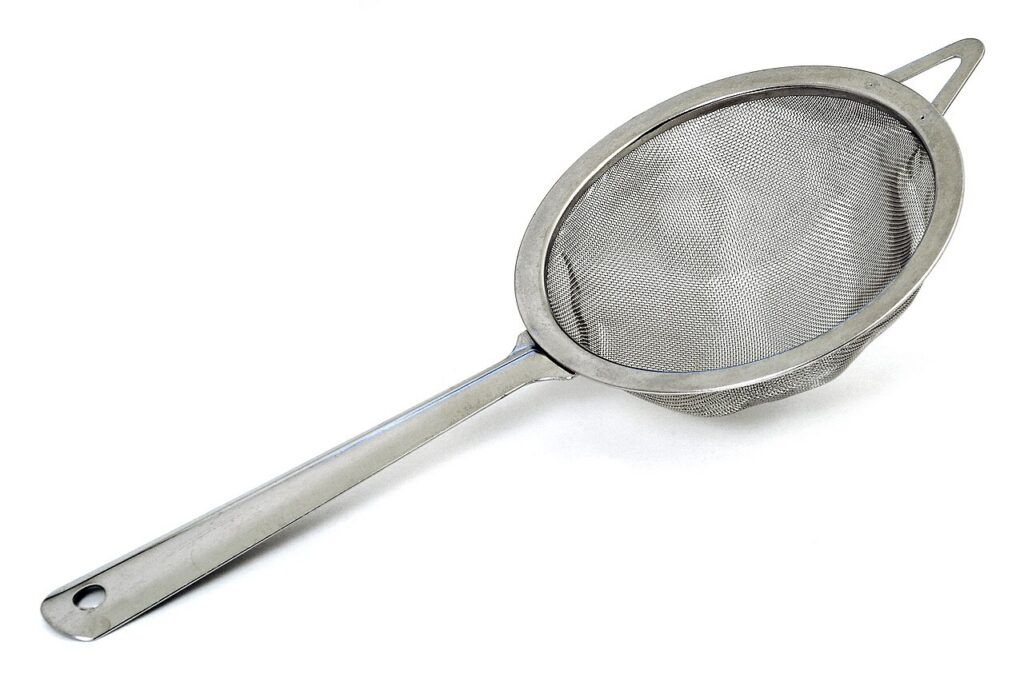
Choose a colander for draining a large batch, a fine-mesh strainer when small pieces must stay in or seeds and
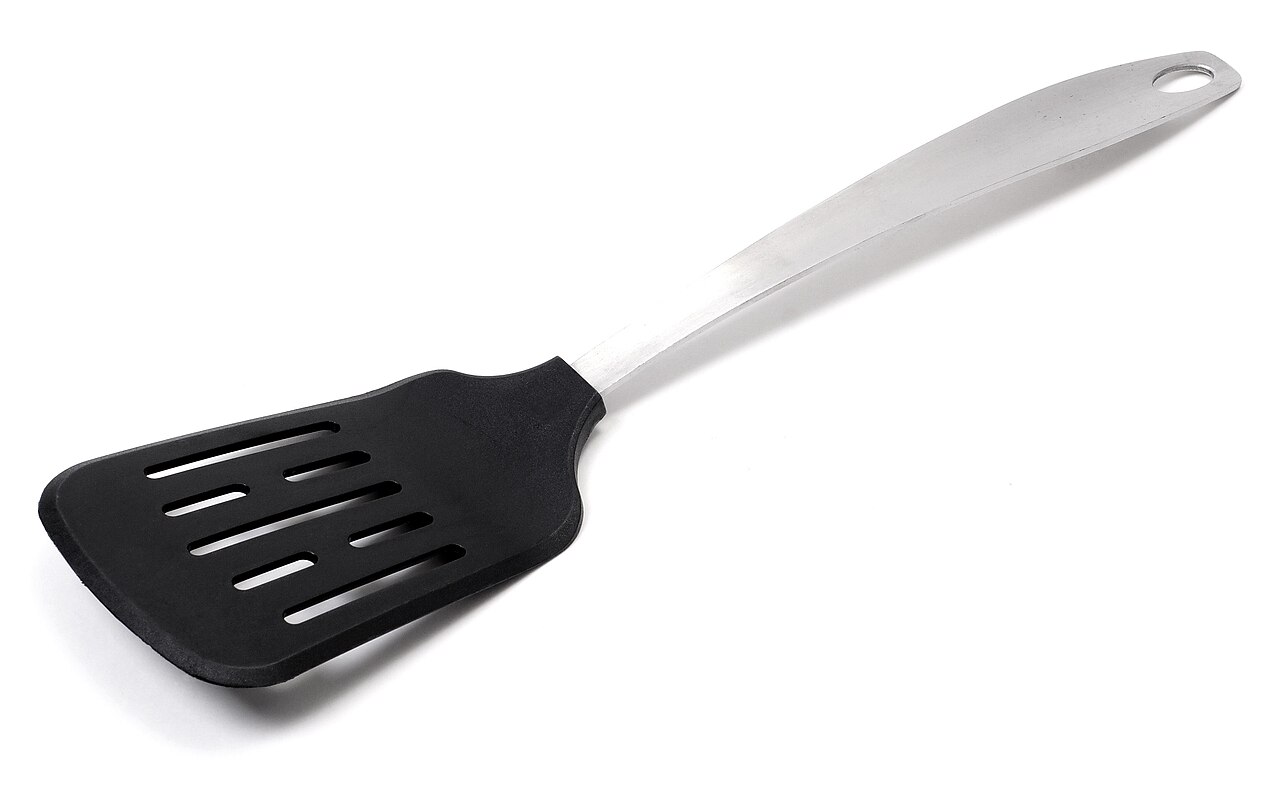
Choose a fish spatula when you need a slim, beveled head to slide under a fillet or seafood cake; choose
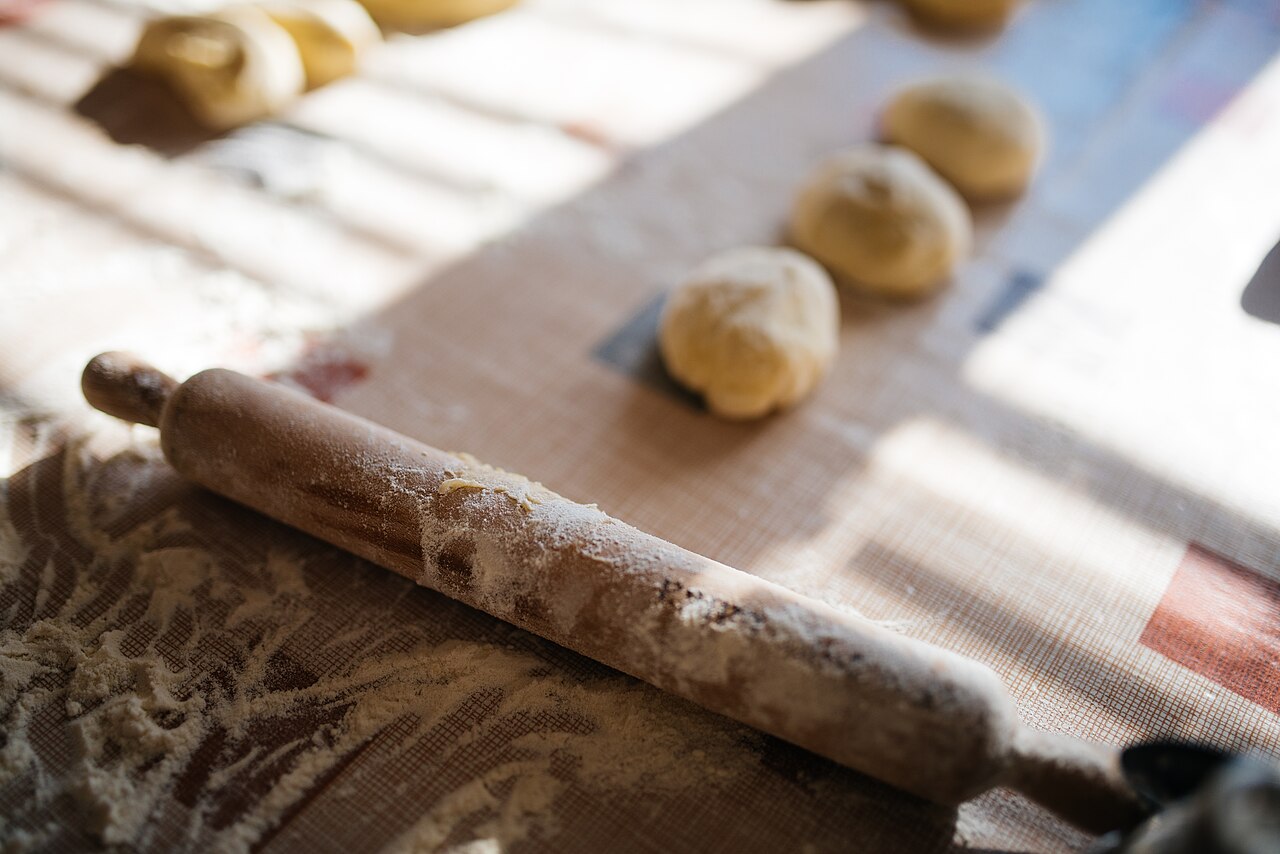
Choose a French rolling pin if you want to steer dough directly with your palms; choose a handled pin if
Start by identifying the block’s insert. A slotted wooden block, a removable bristle insert and a self-sharpening block do not
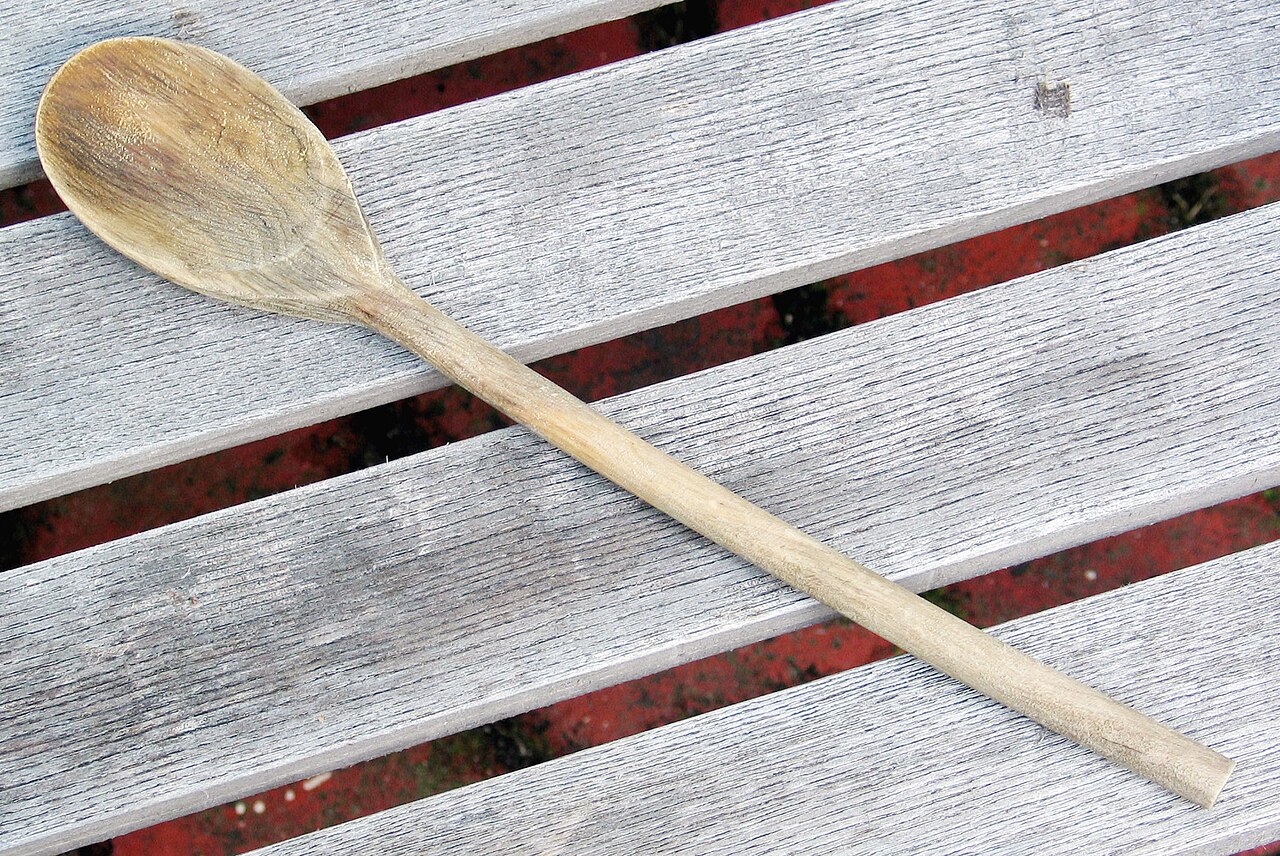
Wash a wooden spoon by hand with mild dish soap and warm water, rinse all sides, towel-dry it, then let
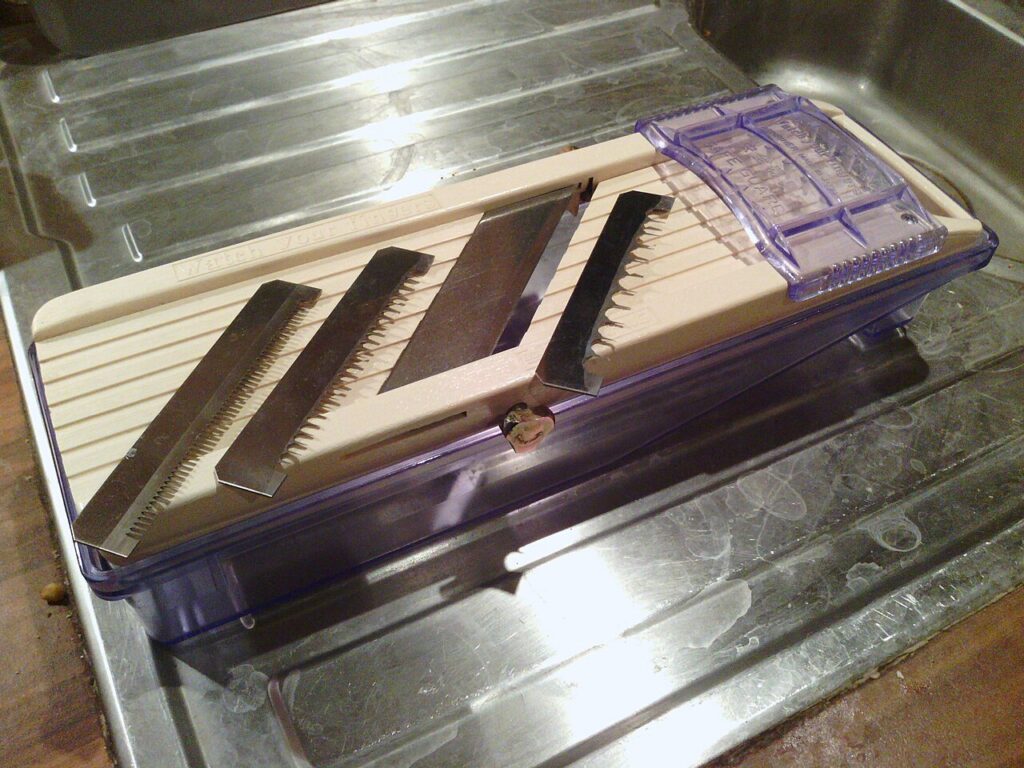
A mandoline makes repeatable slices quickly, but its exposed blade calls for a deliberate setup. Put the slicer on the
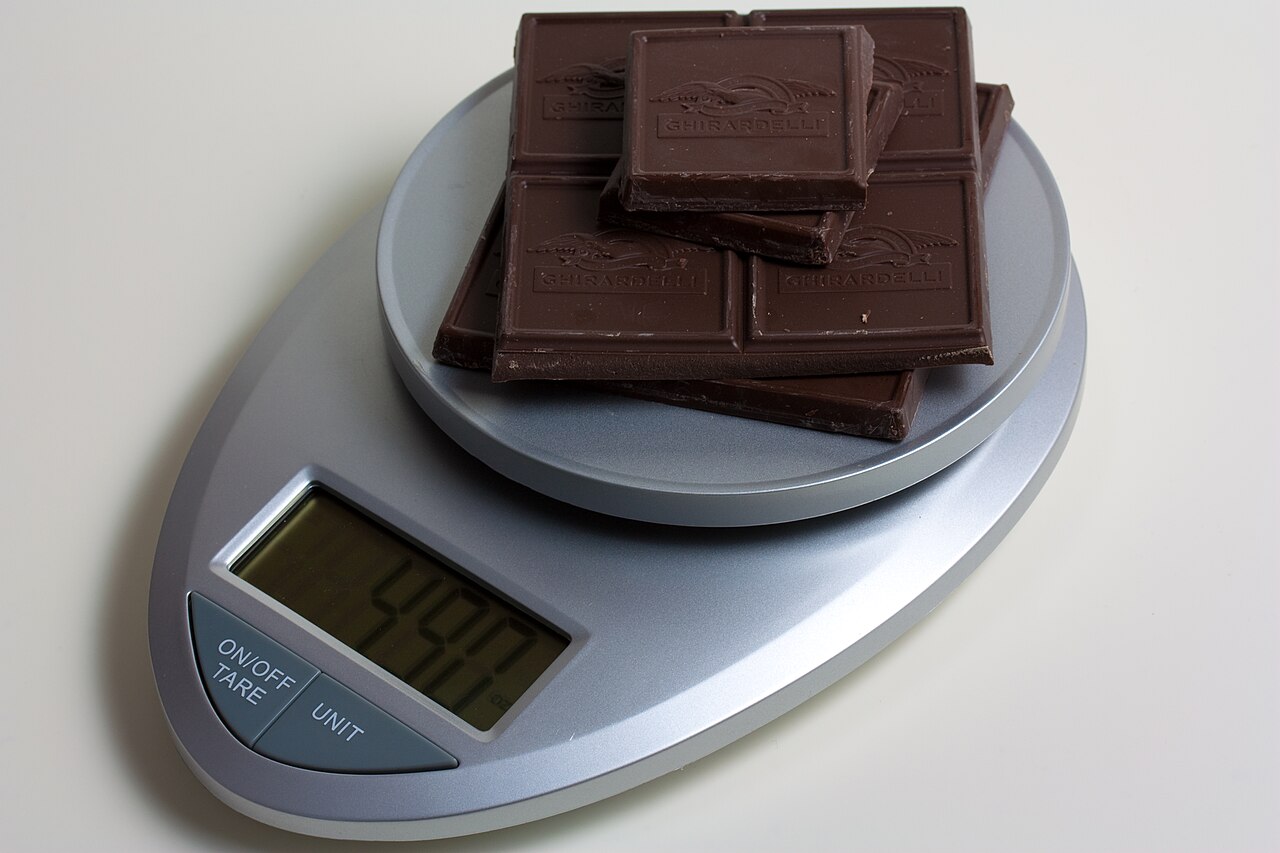
If a baking recipe gives ingredient weights, use a kitchen scale and follow those gram amounts. If it gives only
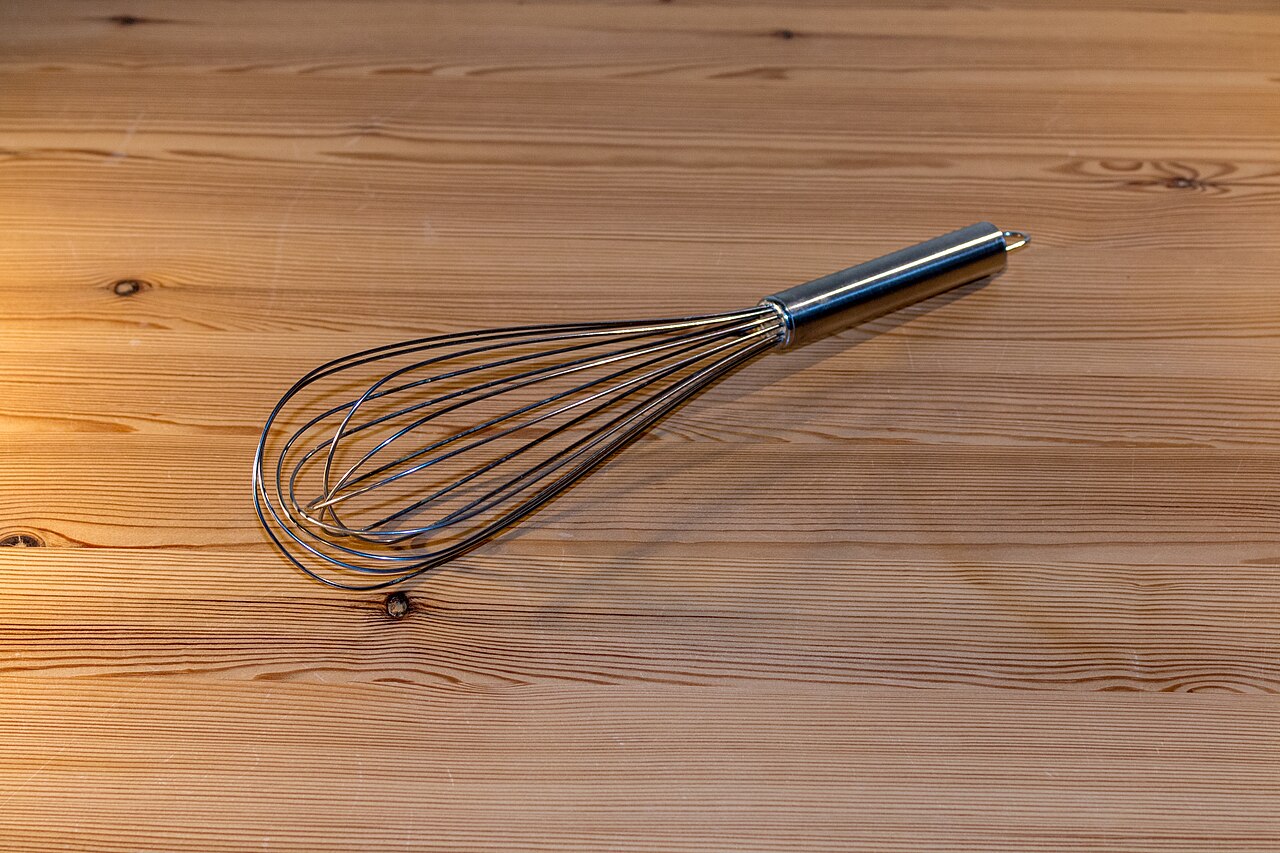
Choose a whisk by the vessel and movement: a balloon whisk’s rounded cage works well in a bowl when you
Choose by the finished knife, not by steel acronym alone. If you want a published comparison point, the makers below
Start with a straight edge for smooth steak slices; consider a wavy or serrated edge if you want a table
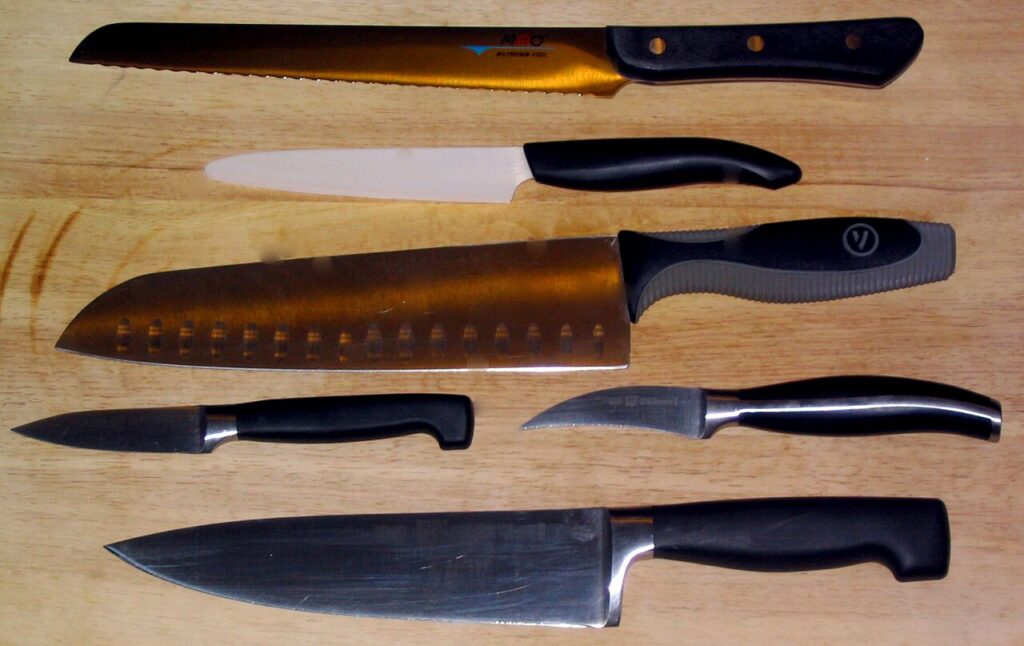
A knife set makes sense when most of its included pieces fill jobs you do and you have room for
Choose a boning knife for recurring meat or poultry prep around joints and connective tissue; choose a fillet knife when
Choose a Japanese knife by the job you repeat, not by the longest list of names. A gyuto or santoku
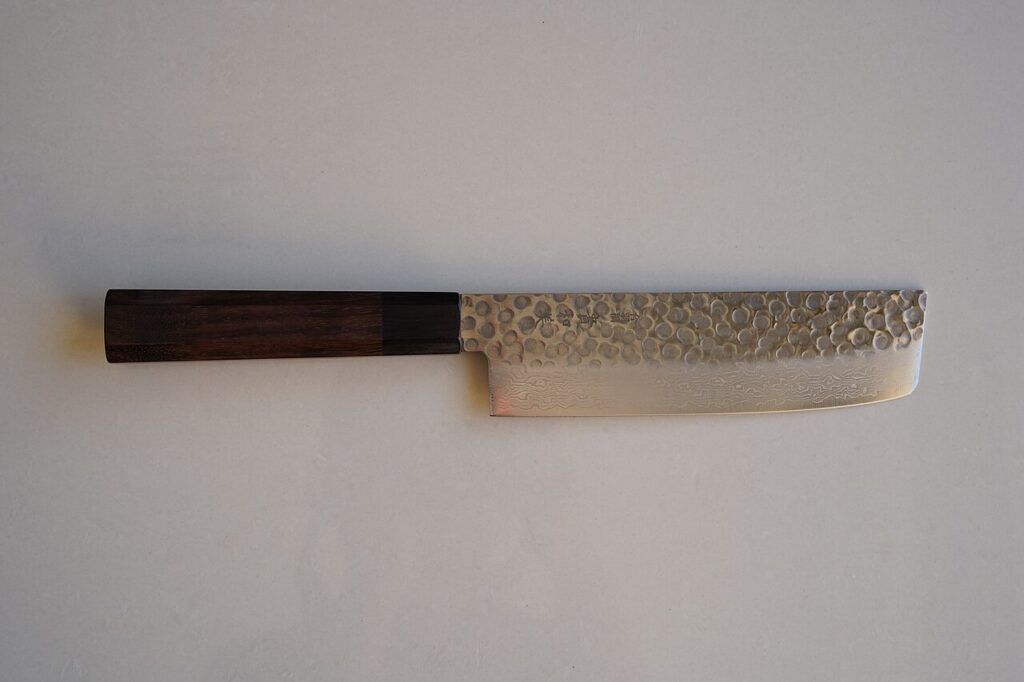
A nakiri is a Japanese vegetable knife with a broad, straight edge. Use it for repeated, controlled board cuts: set
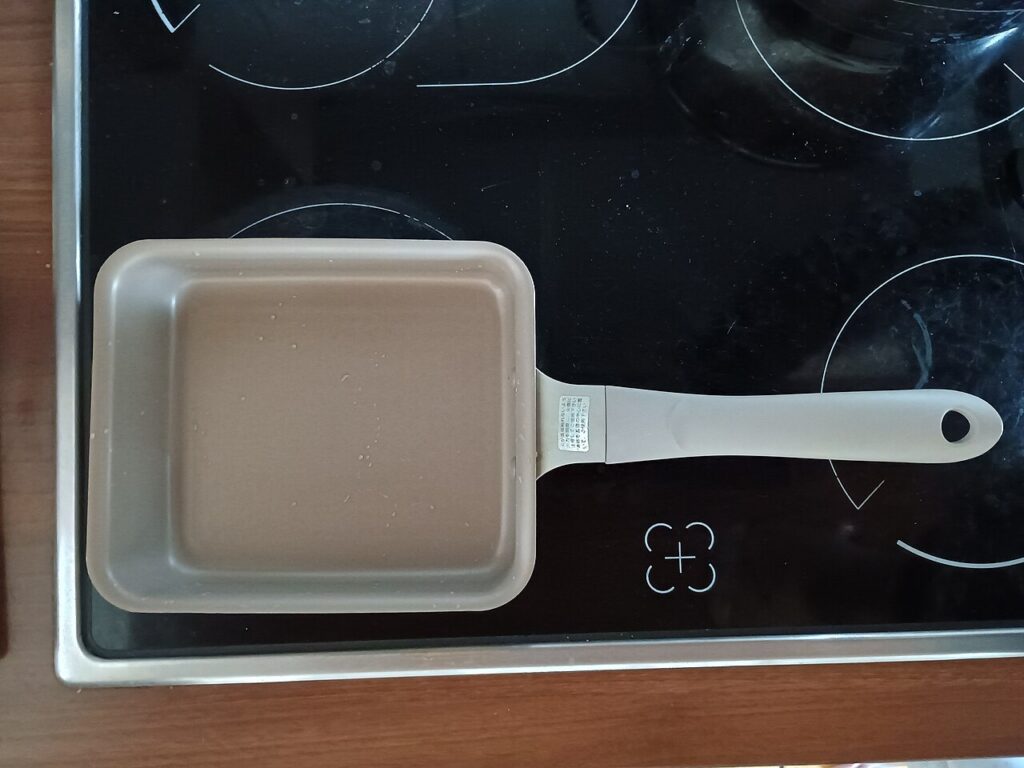
When egg catches in a tamagoyaki pan, identify the pan surface first. Coated pans and iron pans use different care
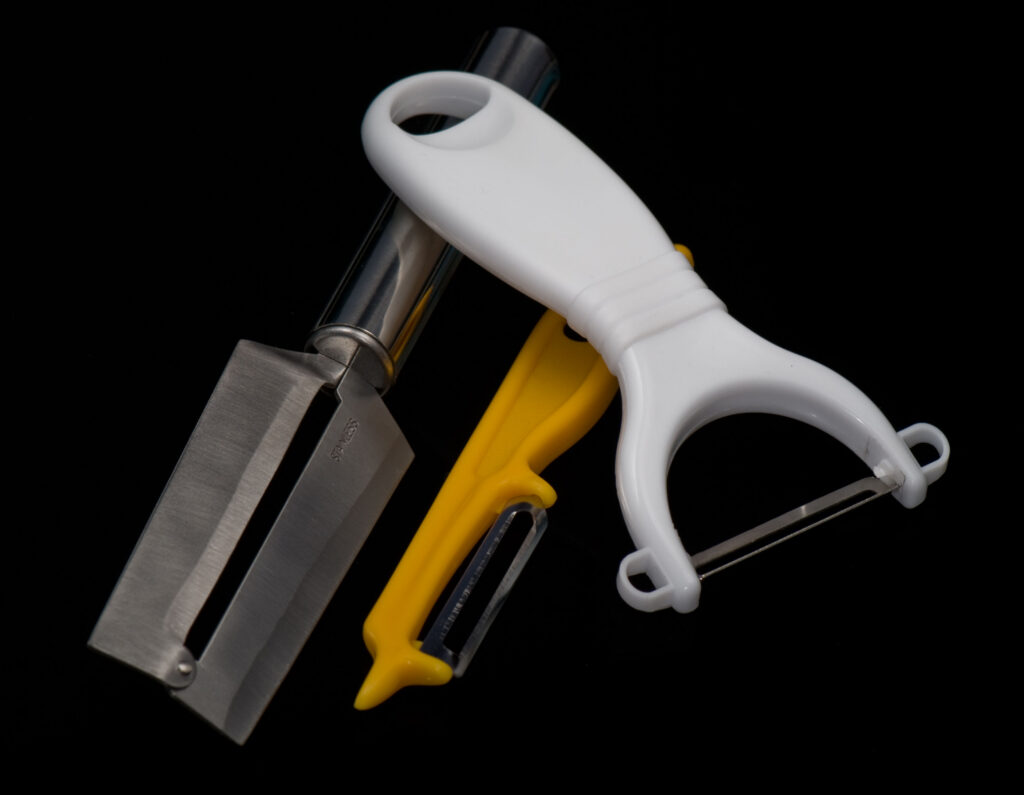
A Japanese vegetable peeler can mean several different tools. Start with the cut you want: ordinary peeling, a broad strip,
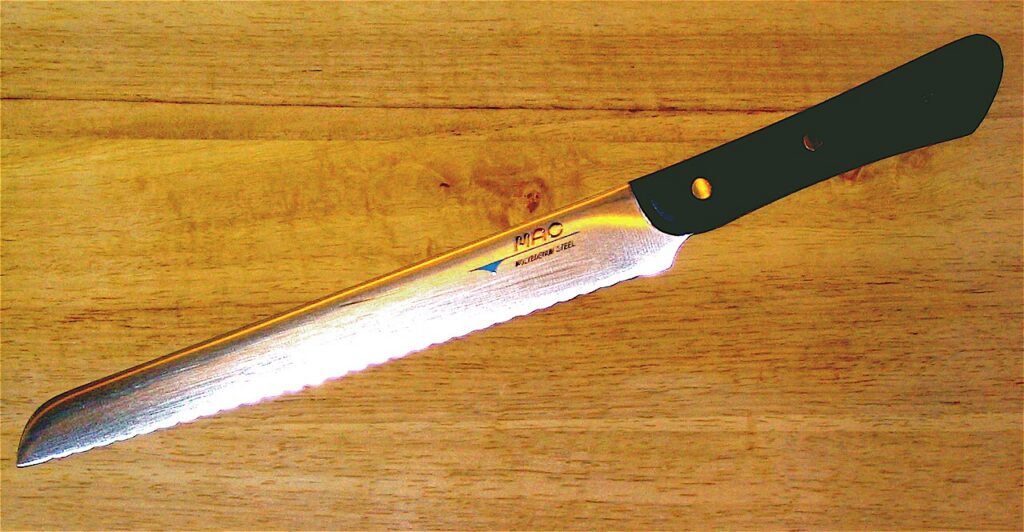
Some serrated bread knives can be sharpened with a tapered rod, but only when the maker allows it and the
We use cookies for analytics and to measure our ads, so we can see how the site is used. Nothing is stored until you choose. Privacy policy