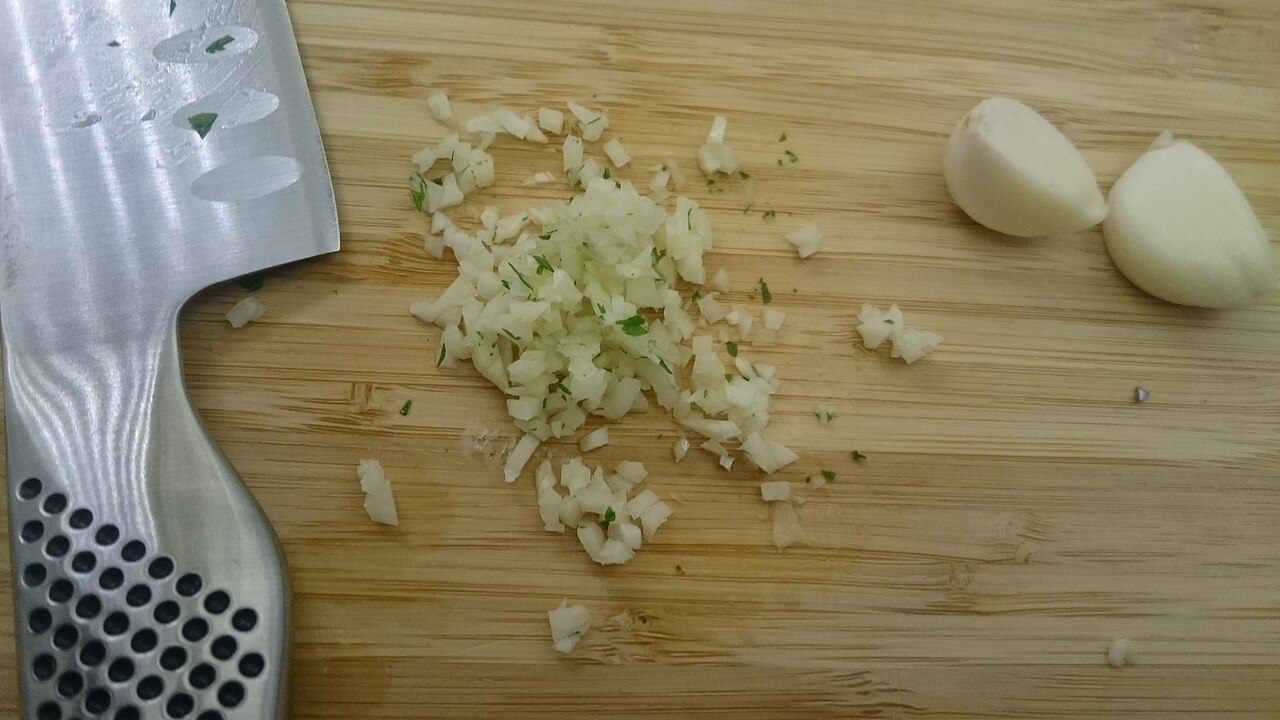
How to Mince Garlic with a Knife
To mince garlic, cut a peeled clove into thin slices, narrow strips, then small crosswise pieces. Keep the clove flat
Practical guides to Japanese knives, wa handles, kitchen tools and boards—from choosing a fit to care and troubleshooting.
To mince garlic, cut a peeled clove into thin slices, narrow strips, then small crosswise pieces. Keep the clove flat
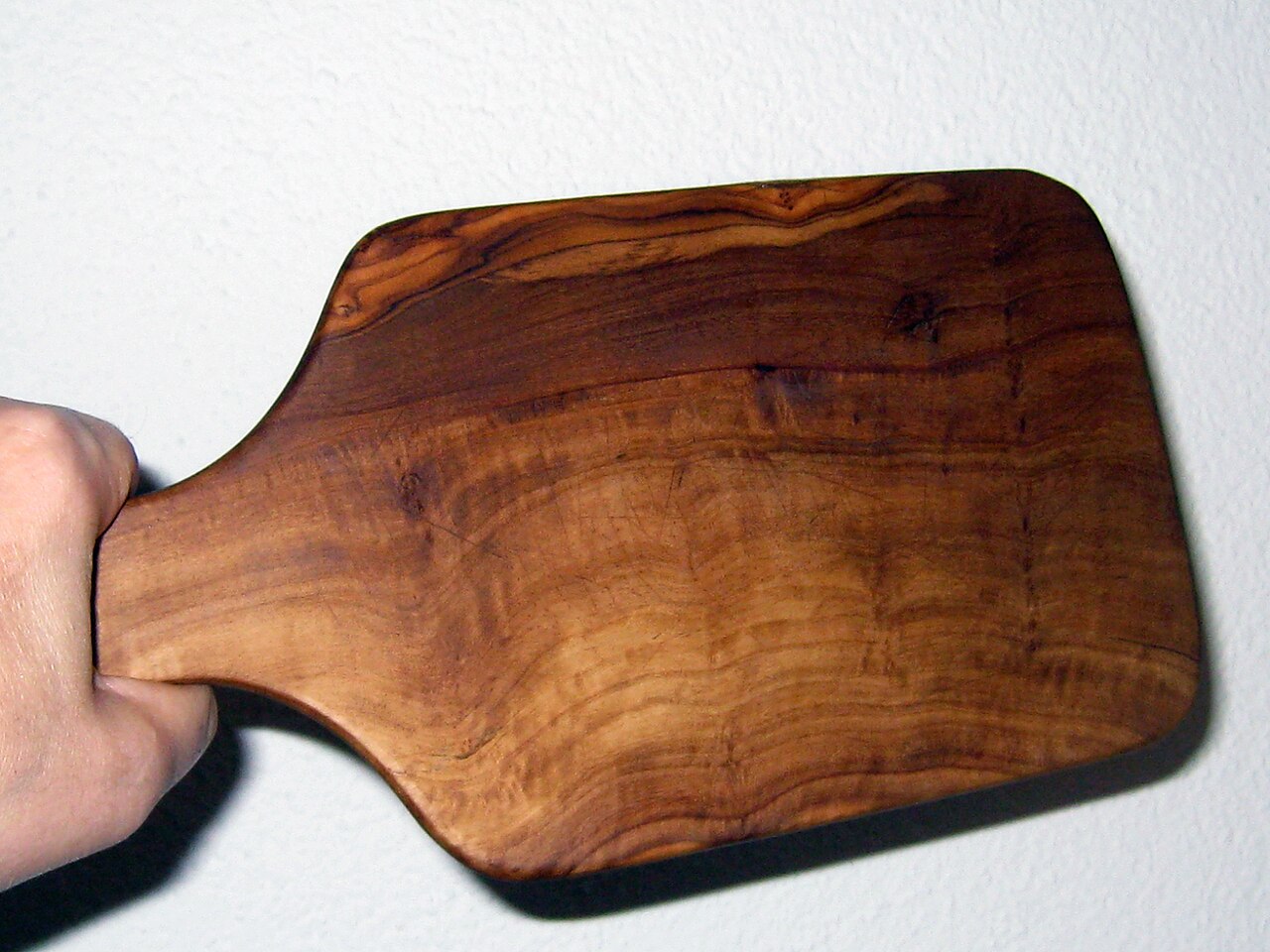
Choose an olive wood cutting board by matching its listed working area and care routine to how you plan to
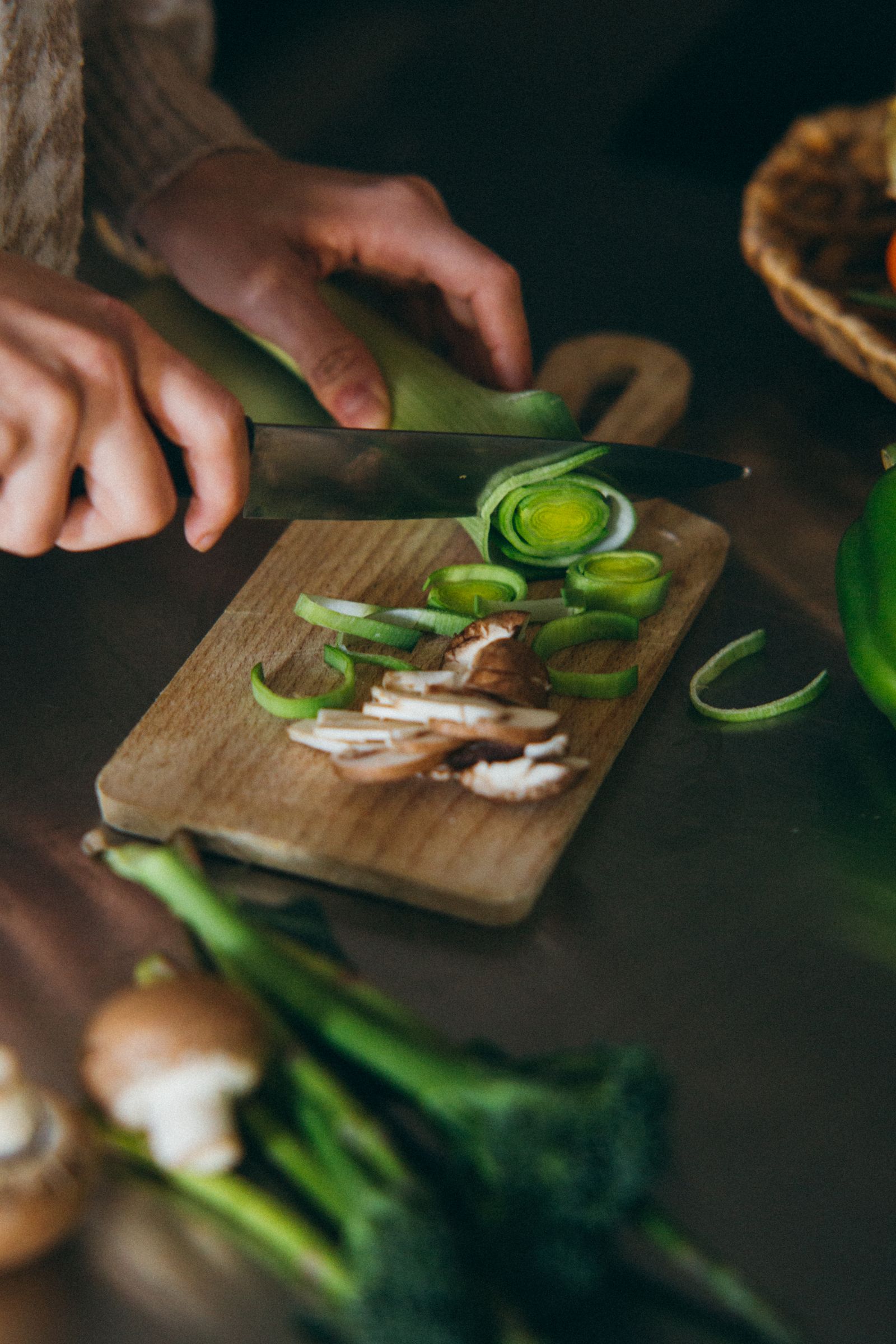
Choose an acacia cutting board by checking the exact model’s usable dimensions, construction, fittings and care instructions. “Acacia” alone does
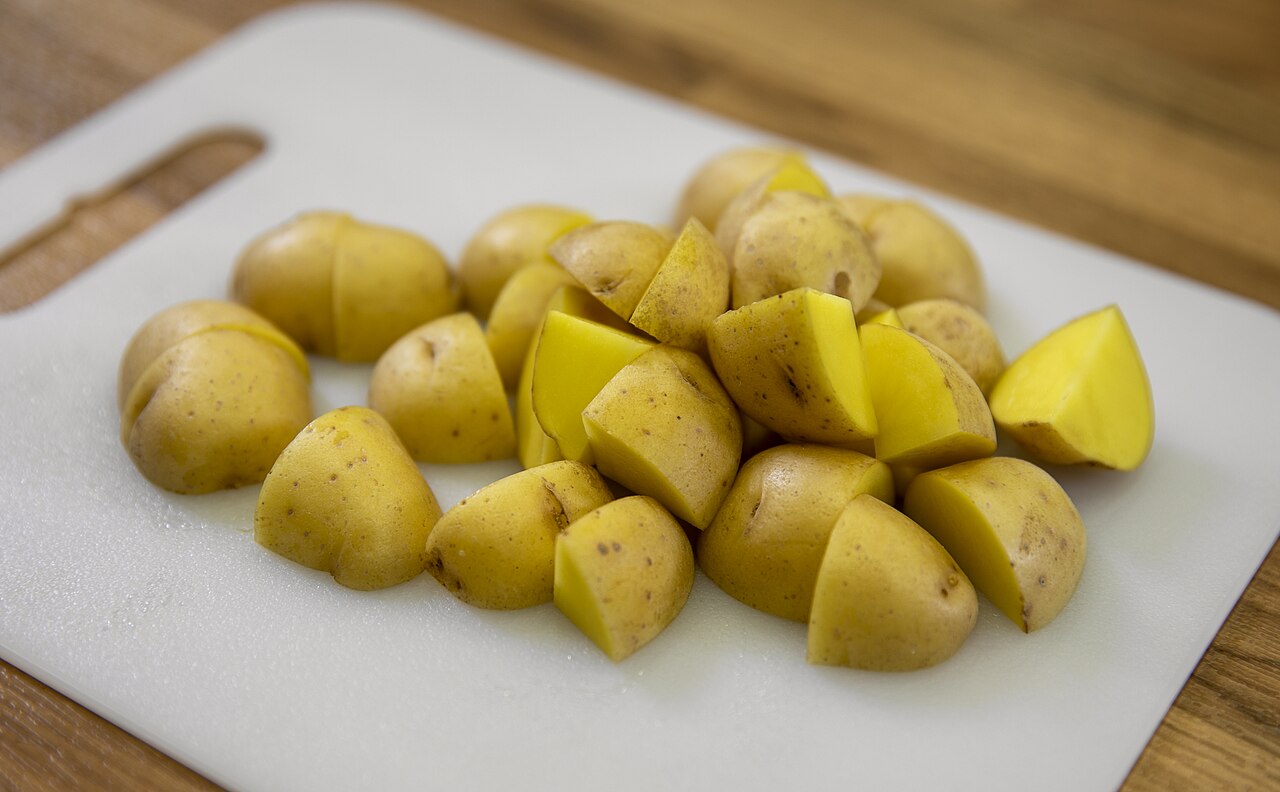
For fries or cubes, make a flat face first, then cut slabs, sticks and crosscuts. For wedges, divide the potato
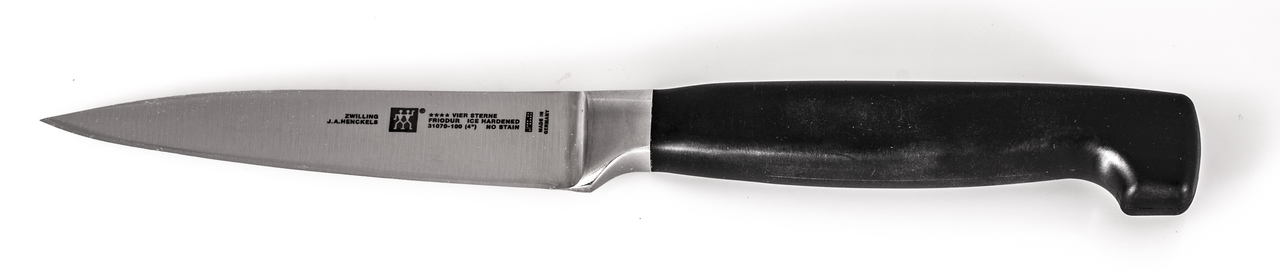
Choose a paring knife for close control while peeling, coring, trimming, or shaping small ingredients. Choose a utility knife when
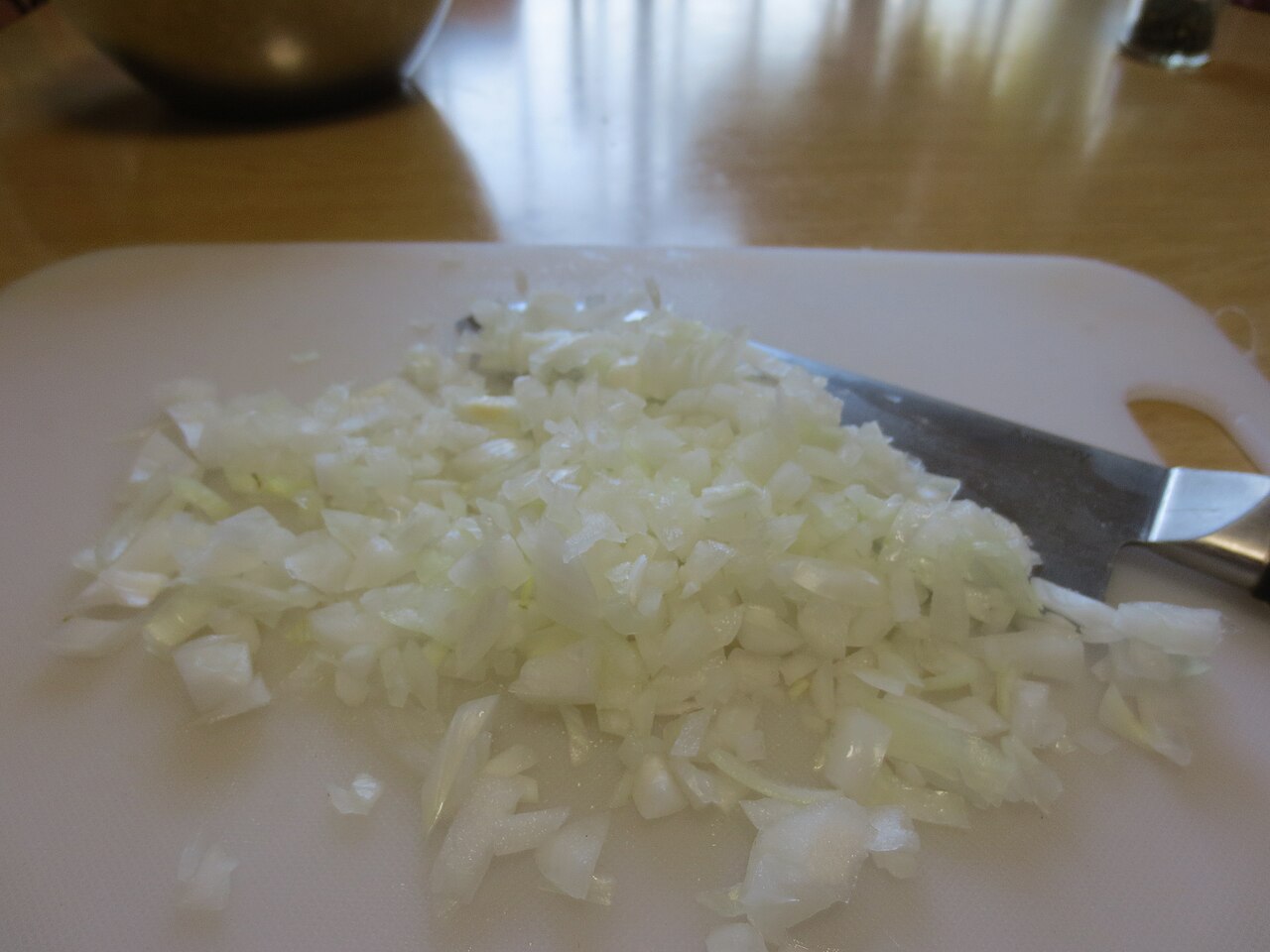
To dice an onion, cut it in half through the root, peel it, and place one half flat-side down. Make
To cut sweet potatoes, scrub and dry them, then trim a thin slice from one side to make a stable
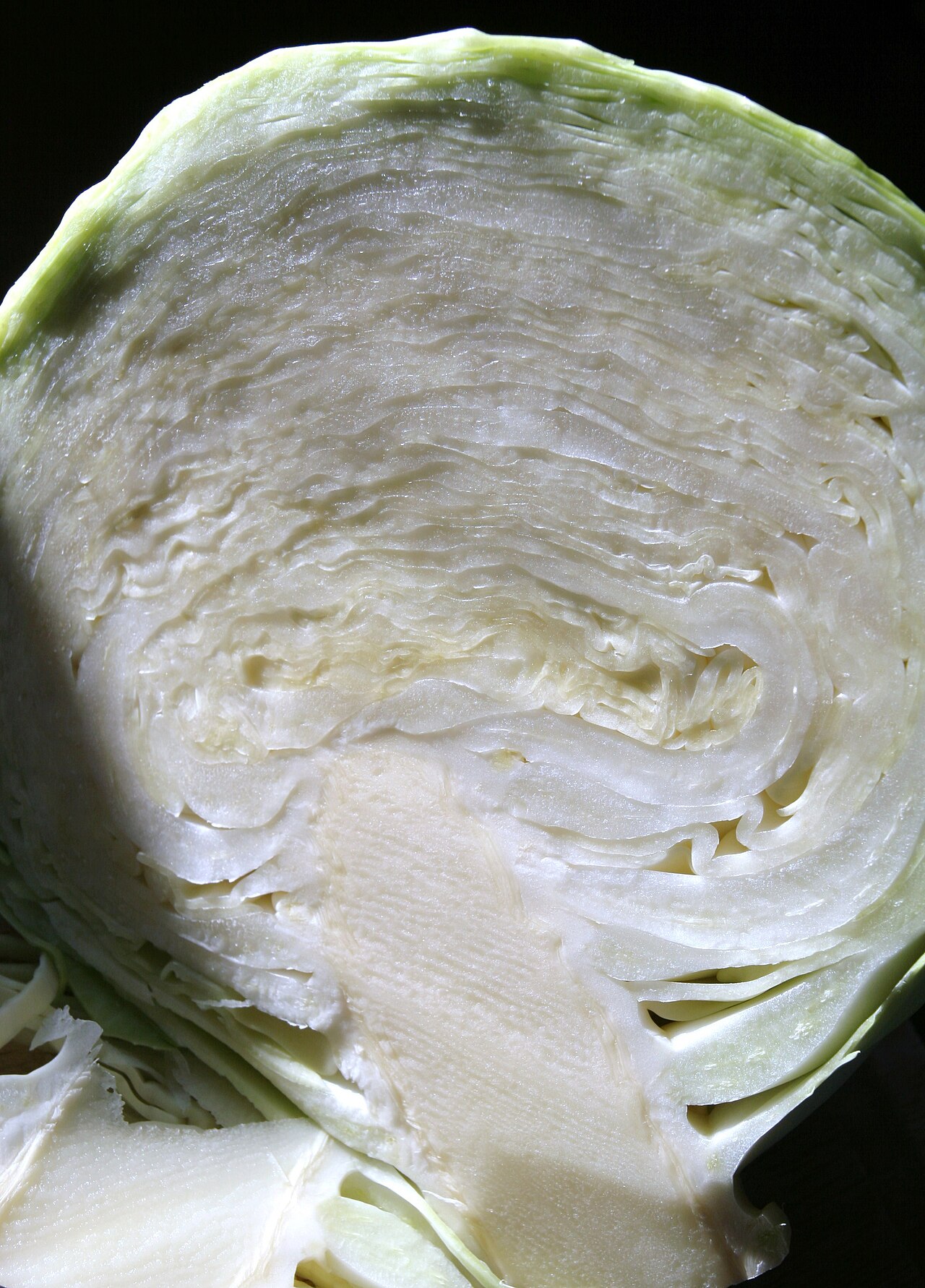
To cut cabbage, remove loose outer leaves, rinse and dry the head, then cut it in half through the stem.
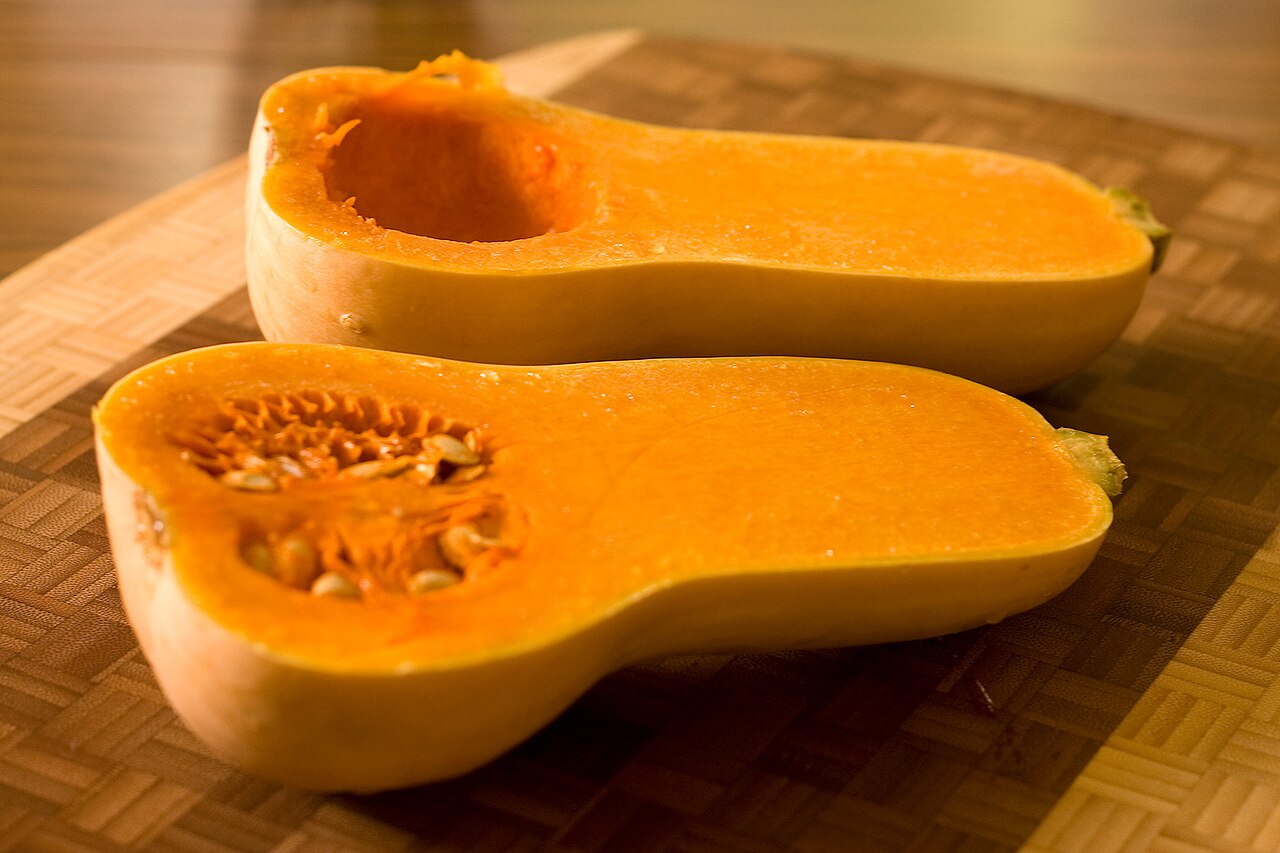
To cut a butternut squash, wash and dry it, trim a thin slice from the bottom, then keep the squash
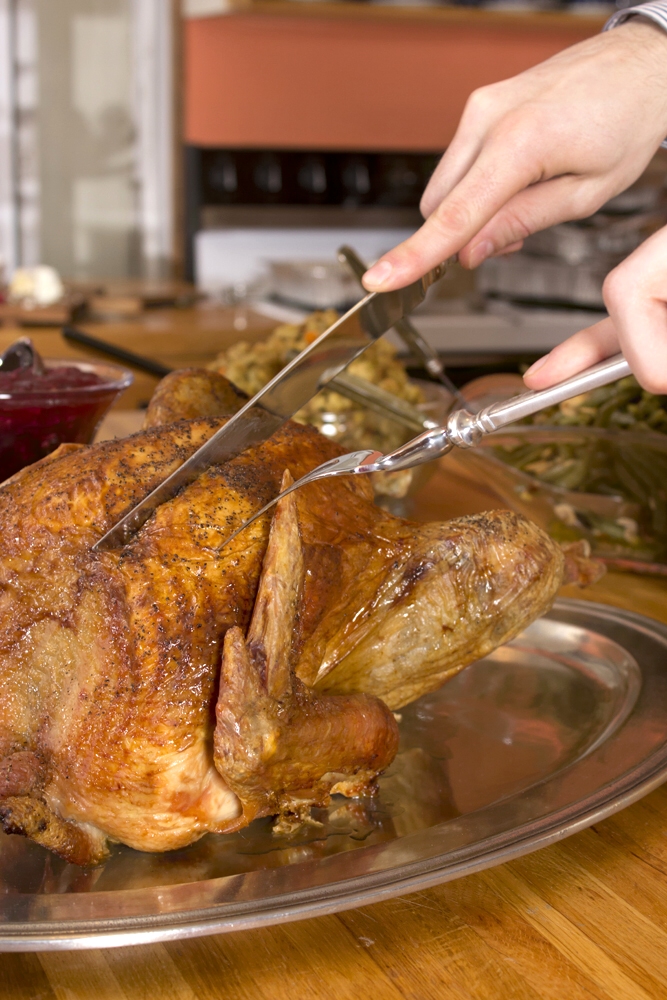
For a whole cooked turkey, remove the legs and wings at their joints, then lift each breast from the breastbone
Wood and nonporous boards can both be used for raw meat. Choose one you can wash and dry as its
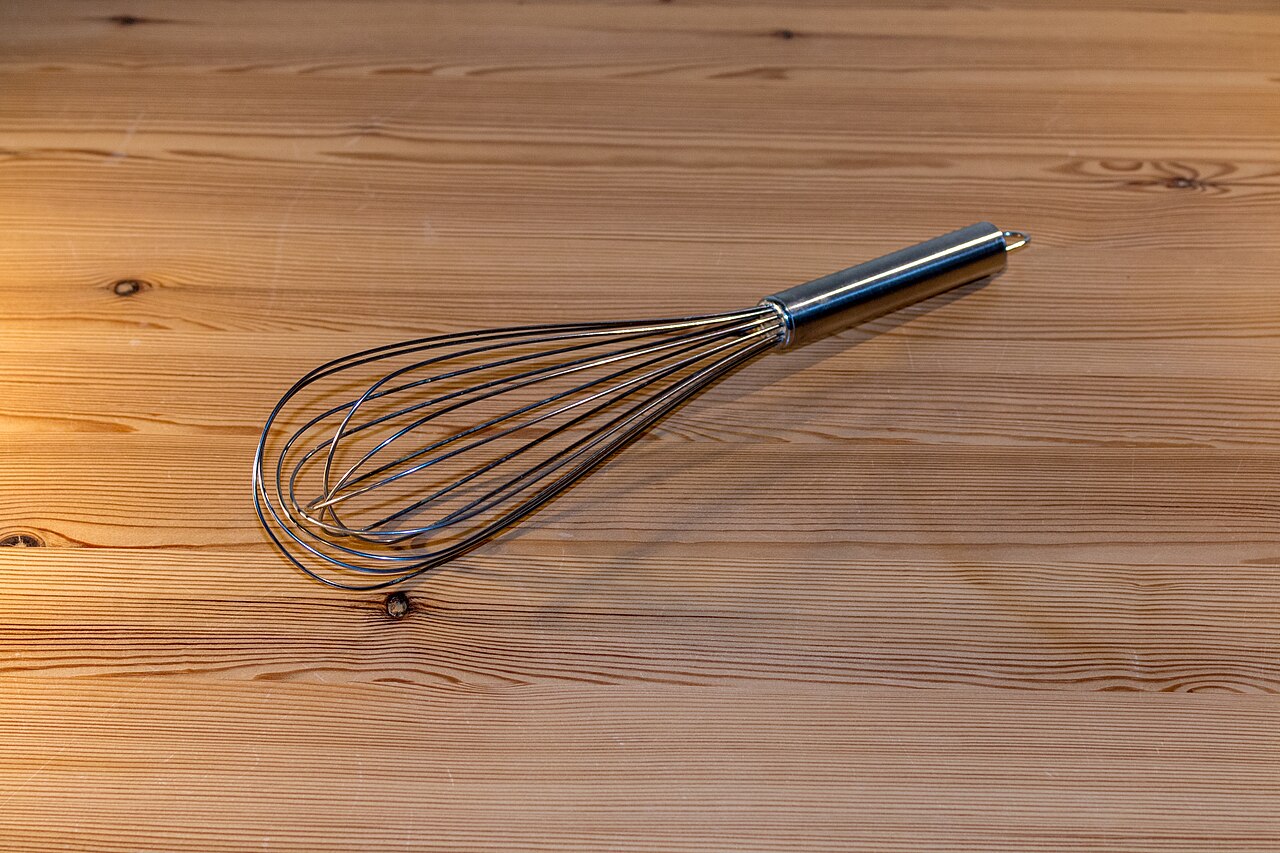
Choose a whisk by the vessel and movement: a balloon whisk’s rounded cage works well in a bowl when you
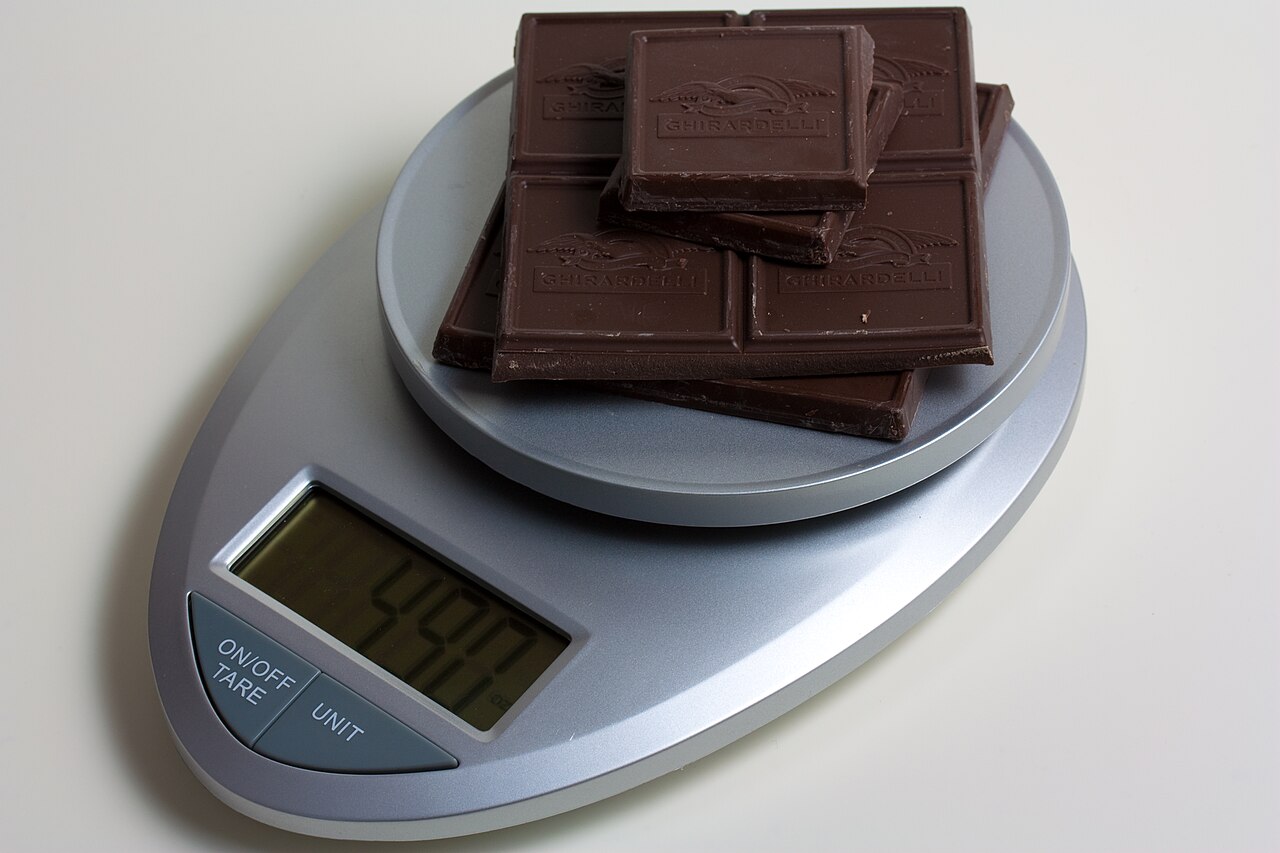
If a baking recipe gives ingredient weights, use a kitchen scale and follow those gram amounts. If it gives only
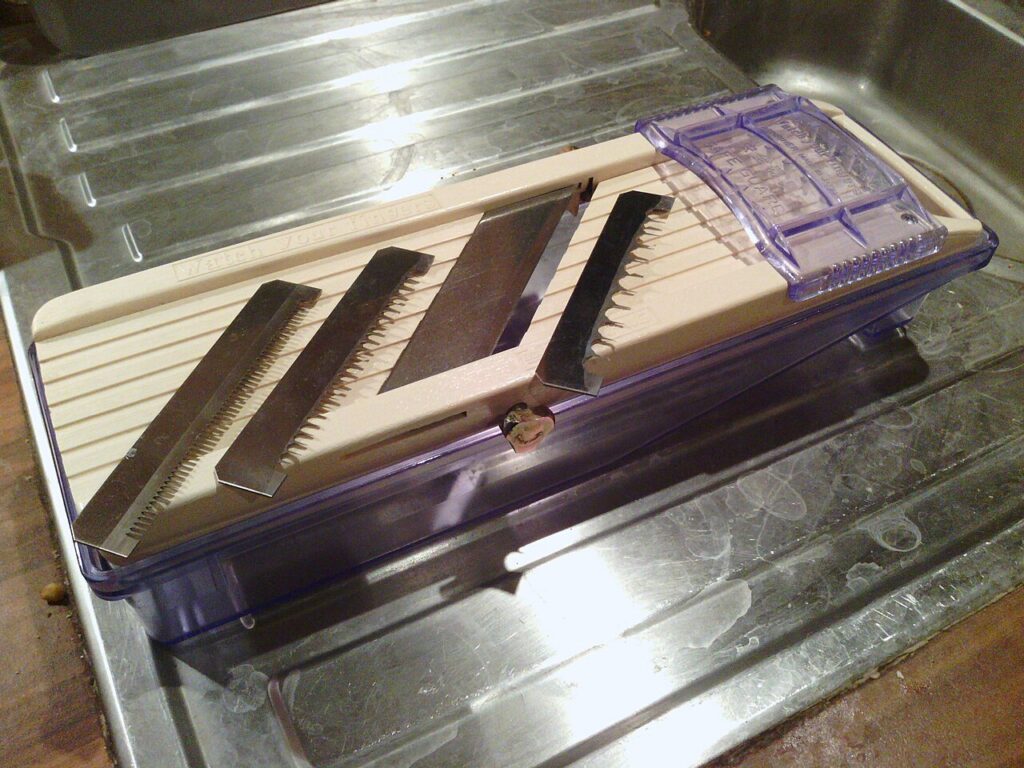
A mandoline makes repeatable slices quickly, but its exposed blade calls for a deliberate setup. Put the slicer on the
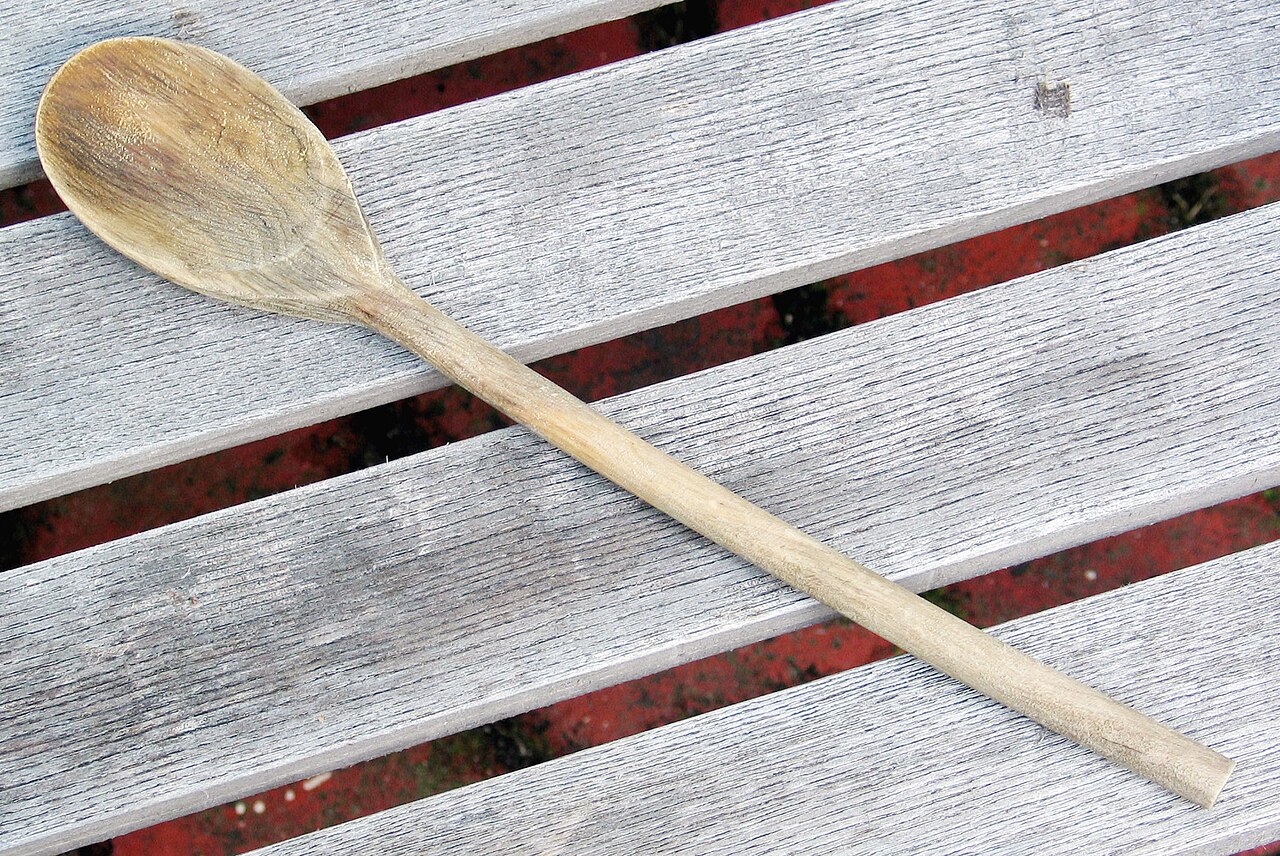
Wash a wooden spoon by hand with mild dish soap and warm water, rinse all sides, towel-dry it, then let
Start by identifying the block’s insert. A slotted wooden block, a removable bristle insert and a self-sharpening block do not
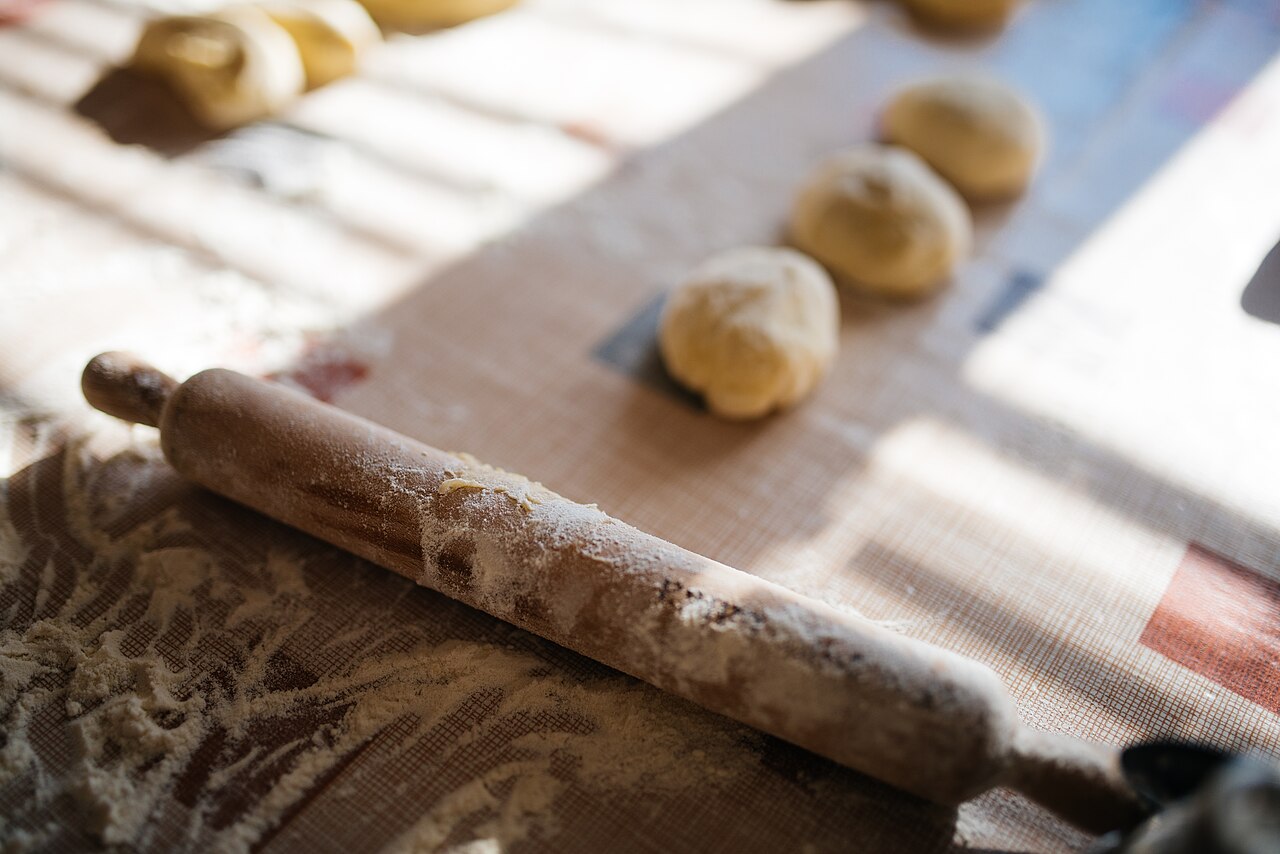
Choose a French rolling pin if you want to steer dough directly with your palms; choose a handled pin if
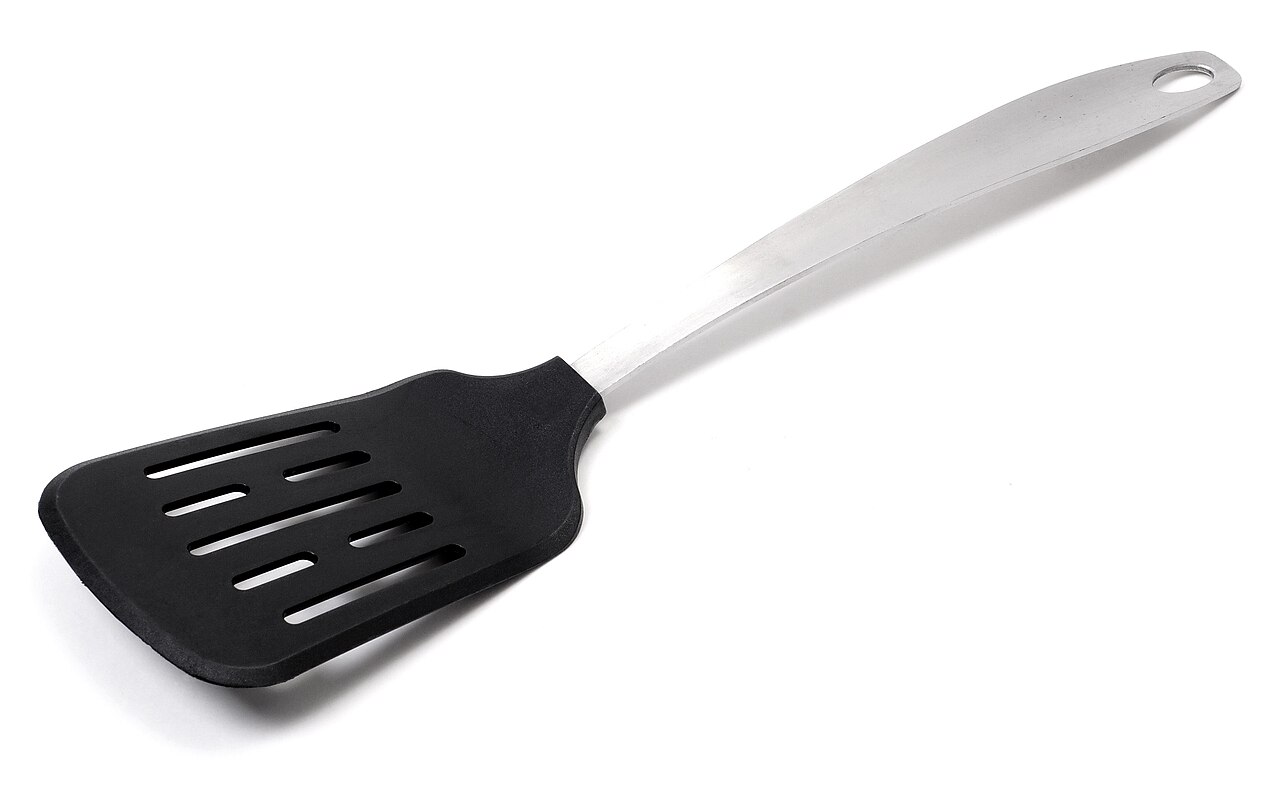
Choose a fish spatula when you need a slim, beveled head to slide under a fillet or seafood cake; choose
We use cookies for analytics and to measure our ads, so we can see how the site is used. Nothing is stored until you choose. Privacy policy