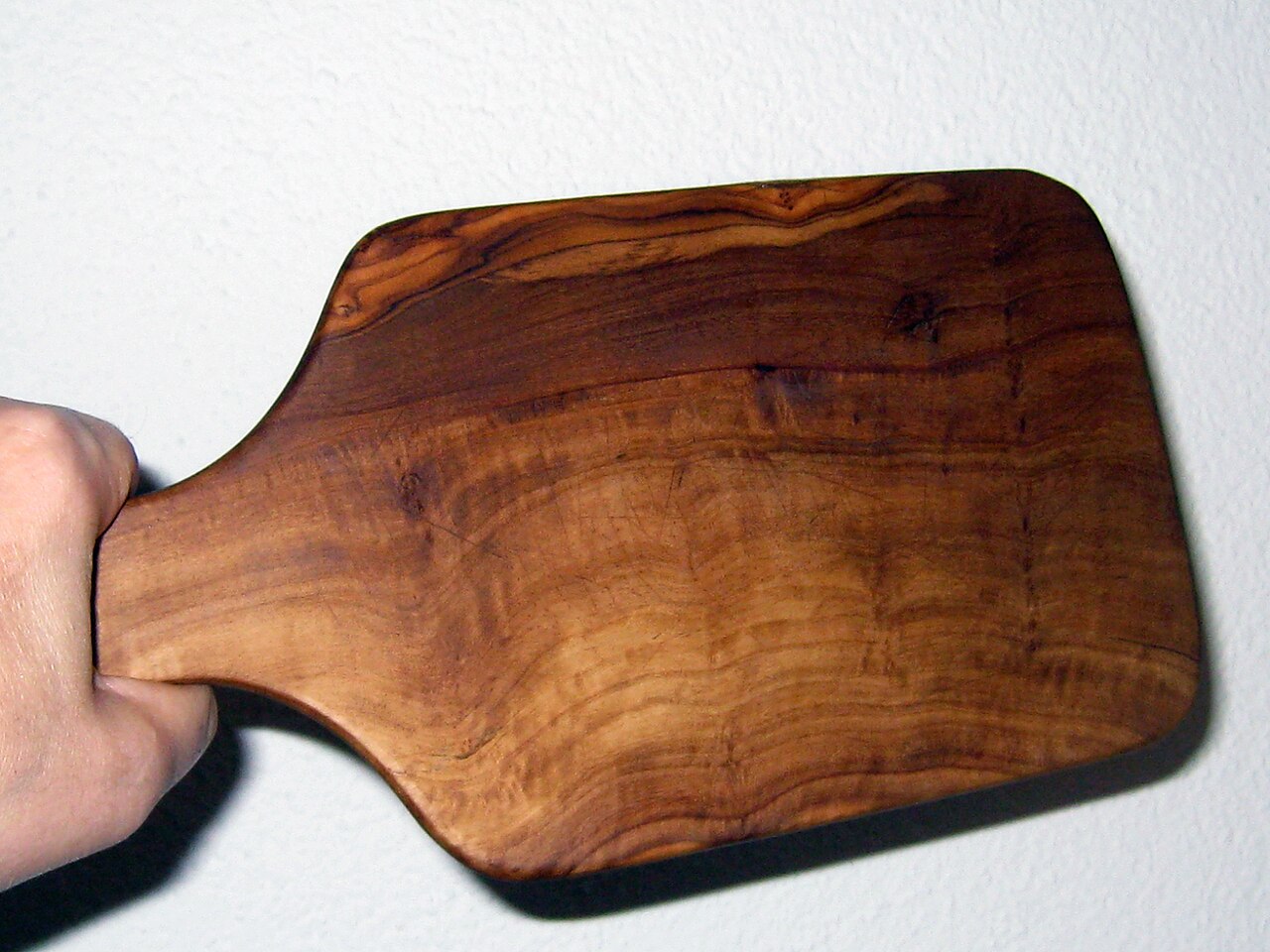
How to Choose an Olive Wood Cutting Board
Choose an olive wood cutting board by matching its listed working area and care routine to how you plan to
Comparison guides for choosing wa handle woods, shapes, ferrules, sizes, and build priorities. Use this archive when you are deciding between two good-looking options and need the practical tradeoffs spelled out: weight, grip orientation, balance change, horn color, upkeep, and fit for the blade. The strongest choice is rarely the most decorative one by default. Start with the knife type and current handle problem, then compare materials and shapes against the way the knife will actually be used. These guides are written for buyers planning a first custom handle, replacing a loose or tired handle, or narrowing options before sending measurements. They connect broad buying decisions to Horn and Grain ordering details so the next step is clear: measure the knife, choose a realistic material direction, then compare the shop range or the custom configurator.
Choose an olive wood cutting board by matching its listed working area and care routine to how you plan to
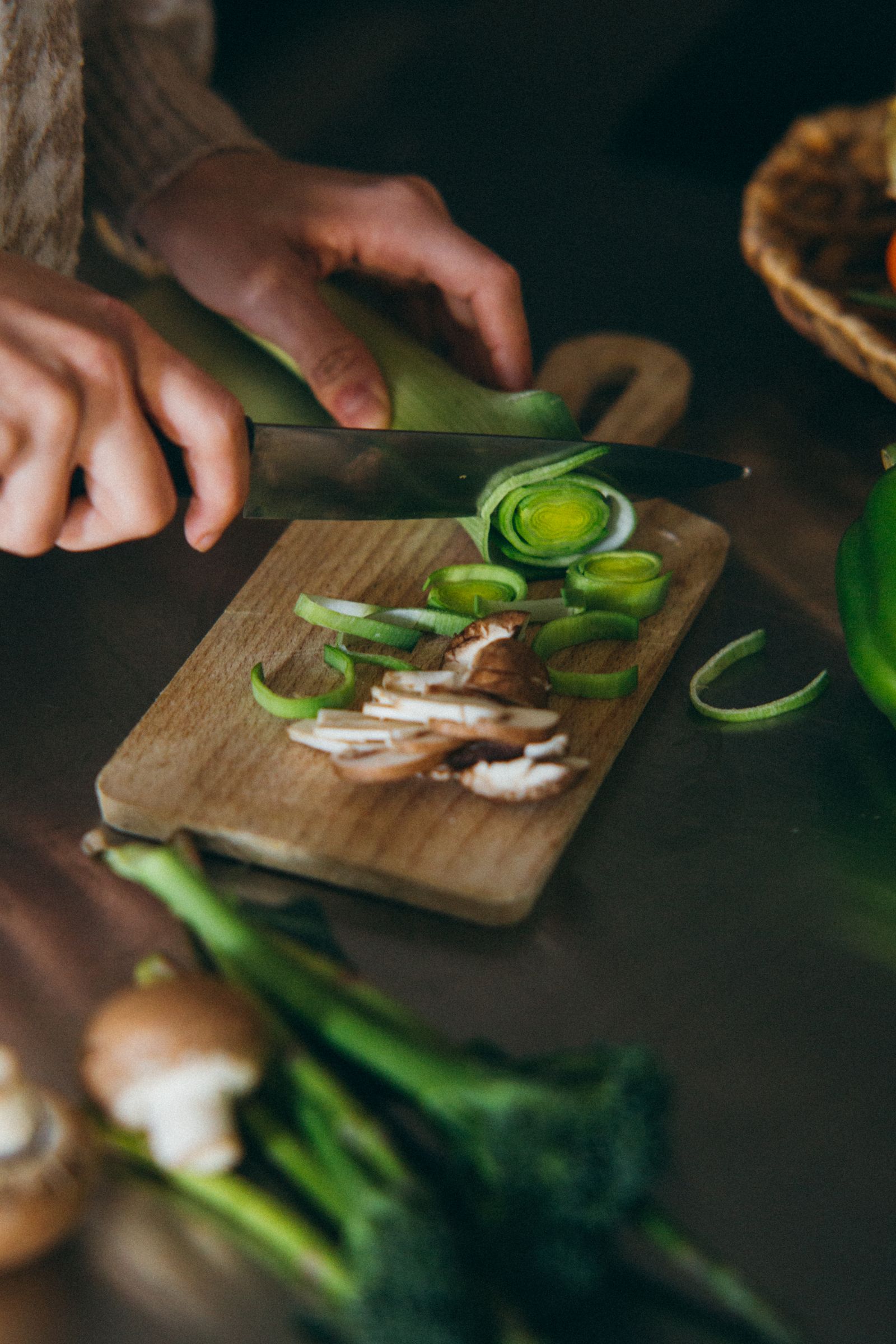
Choose an acacia cutting board by checking the exact model’s usable dimensions, construction, fittings and care instructions. “Acacia” alone does
Wood and nonporous boards can both be used for raw meat. Choose one you can wash and dry as its

Start with the job and batch: for a small amount of dry spices, a sturdy granite mortar is a clear
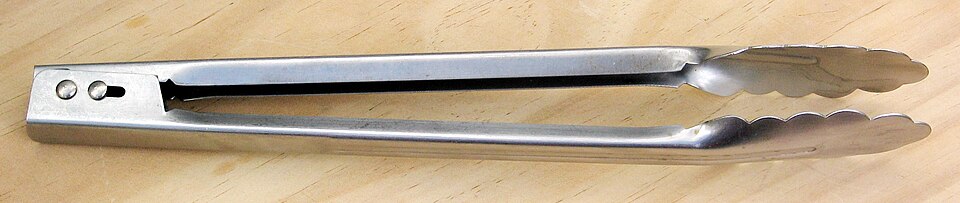
Choose tongs by the contact and reach your task needs. For a non-stick pan, look for tips the maker explicitly
Choose maple for the lighter-colored hard-maple option; choose walnut if you prefer the darker tone of American black walnut. This
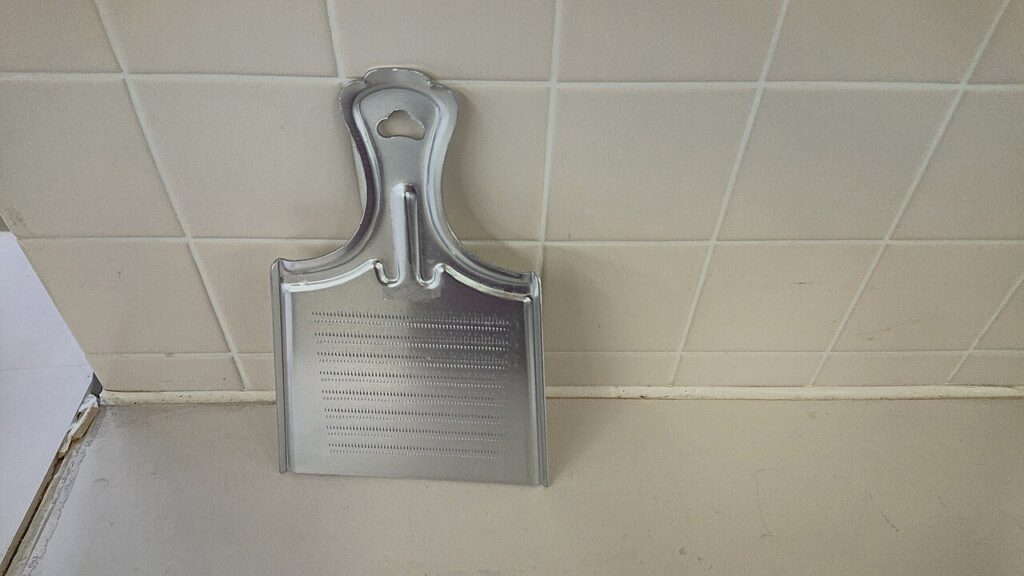
Use a hand-held fine grater when you need a small amount of finely grated zest, ginger or hard cheese and
A bench scraper is a flat, broad blade for dividing dough, lifting a gathered pile of chopped food, and clearing
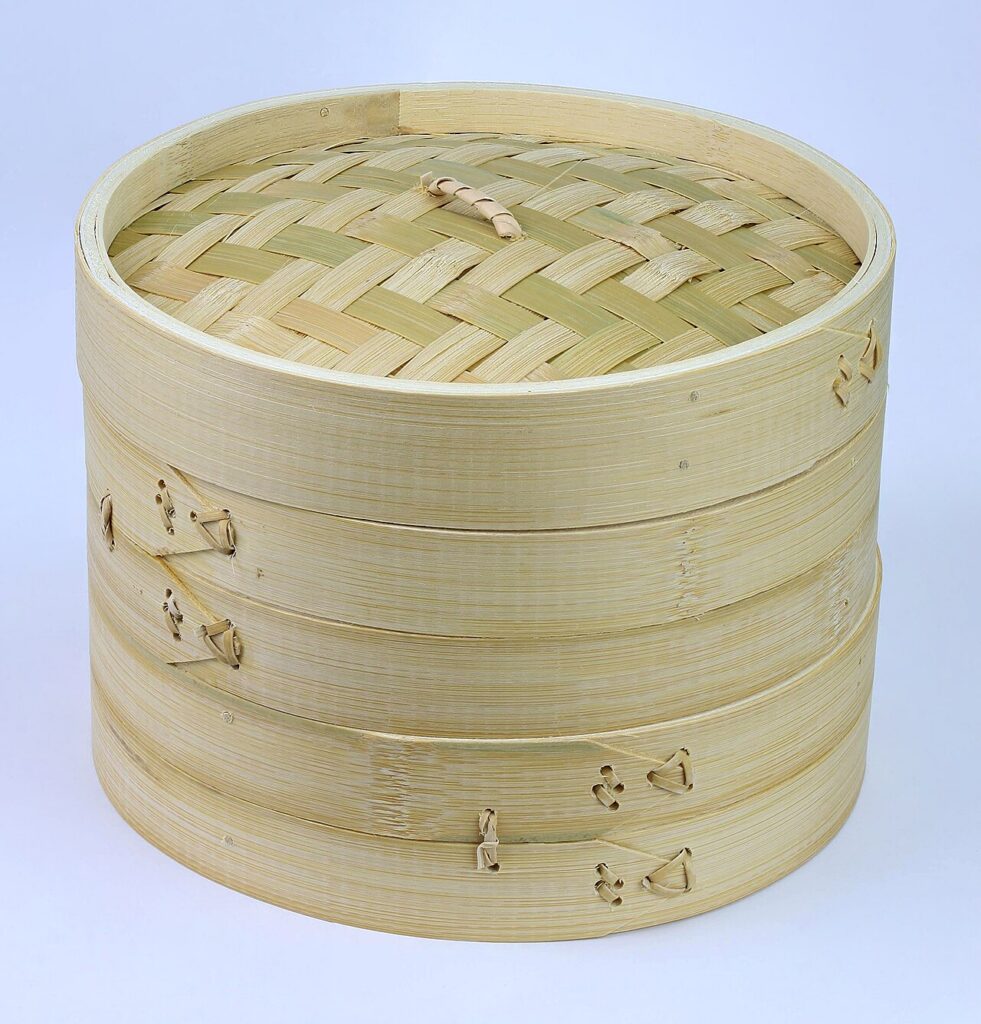
Choose bamboo when you want a stackable basket that sits over a pot or wok and you are willing to
For traditional Pesto Genovese, the Consorzio del Pesto Genovese recipe specifies a marble mortar and wooden pestle. Its recipe gives
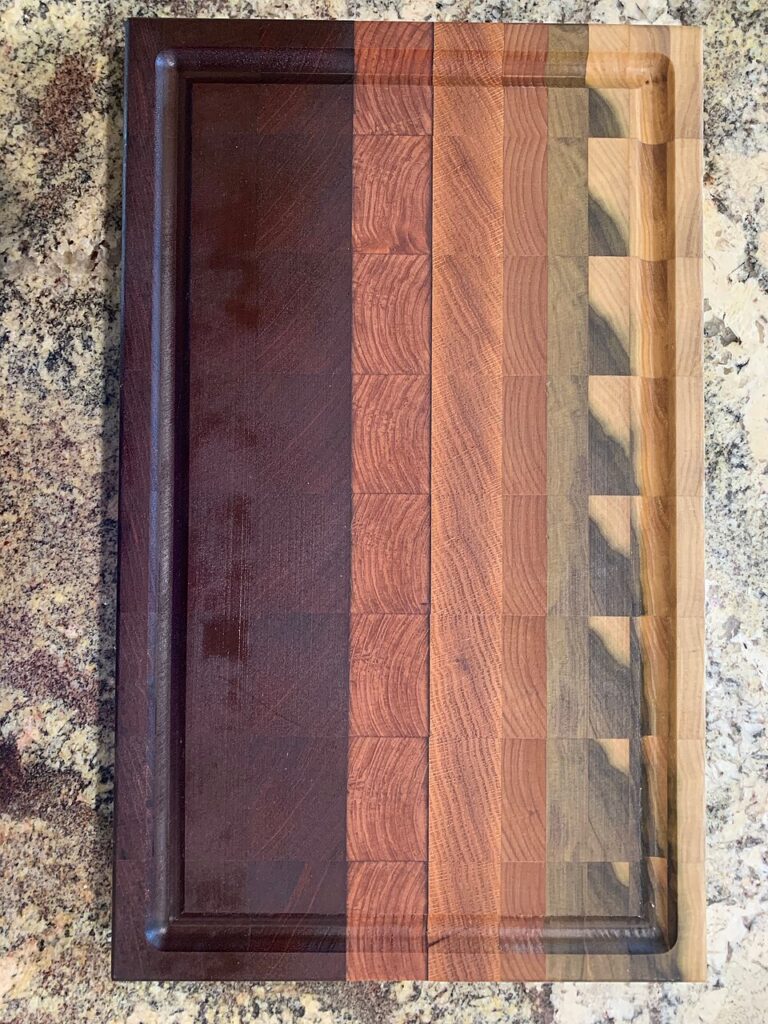
For a straightforward daily board, start with edge grain if a lower-cost, commonly available construction and simpler upkeep matter most.
After cutting, wash the board with detergent, rinse it, and let it dry fully. If you used it for raw
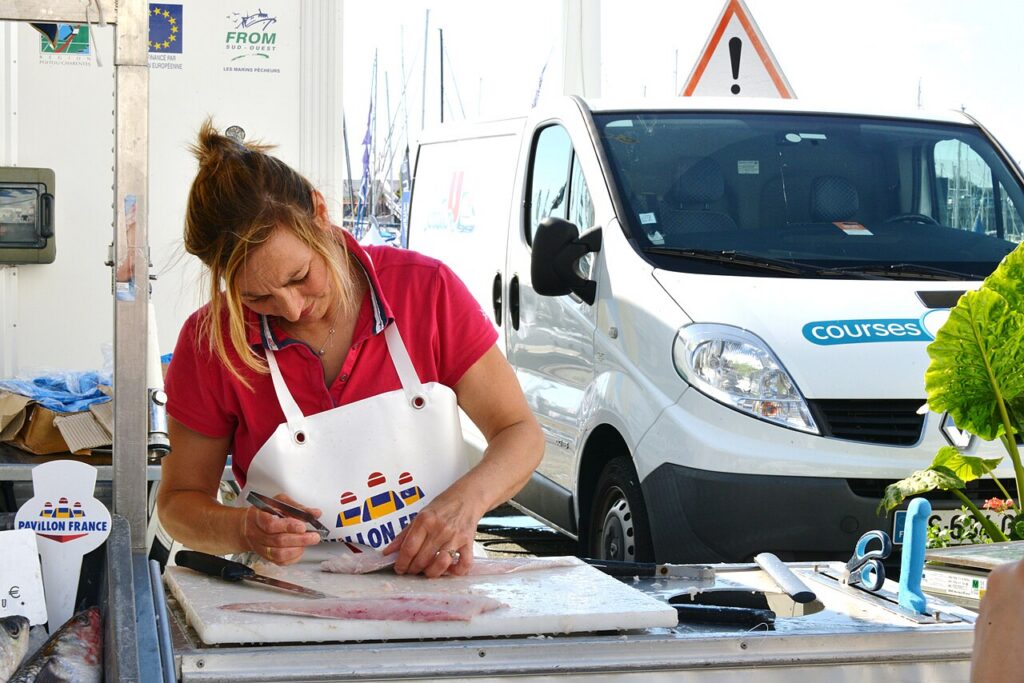
Fish bone tweezers help you grip the exposed tips of pin bones in a fillet. For salmon, locate the bones
A yattoko pot is a handleless cooking pot lifted with a separate pan gripper. Its attraction is compact storage and
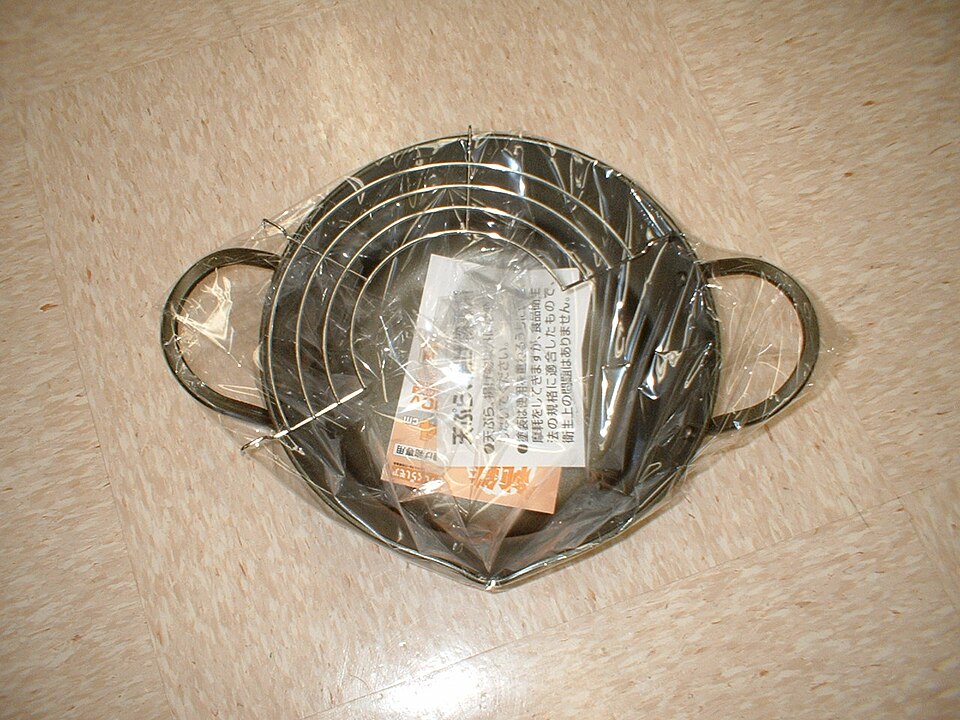
Choose a tempura pot by the food that must fit inside it, the maker’s working oil quantity and your hob’s
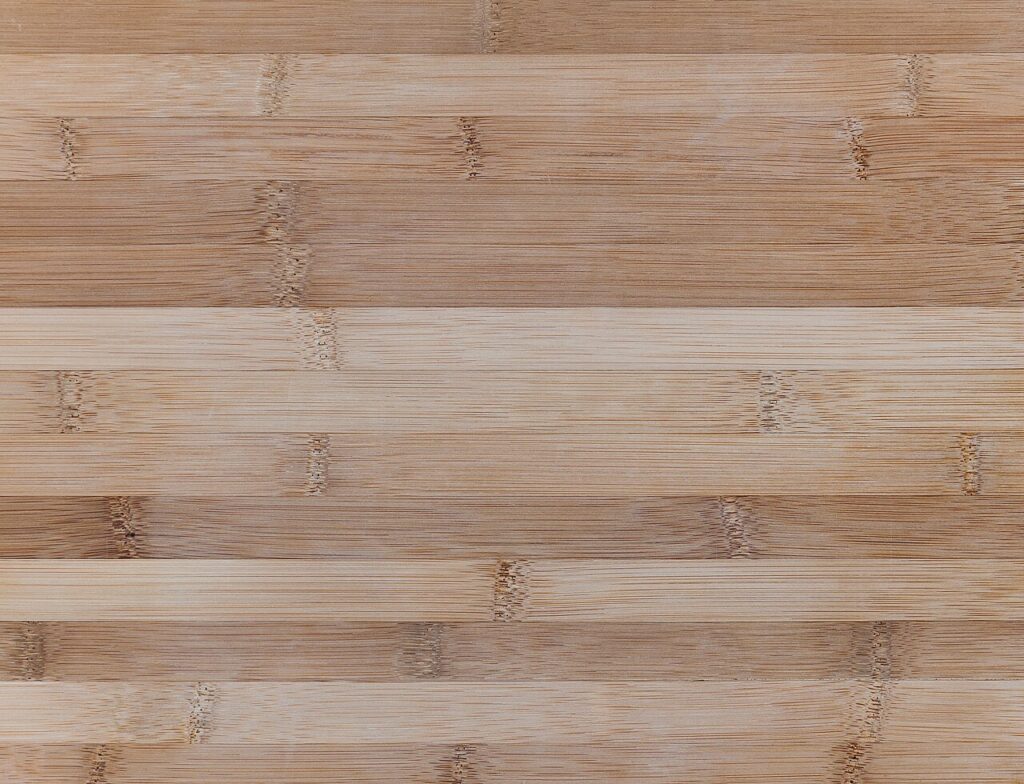
For a fine kitchen knife, we would start with a suitable wooden board recommended by the knife maker rather than
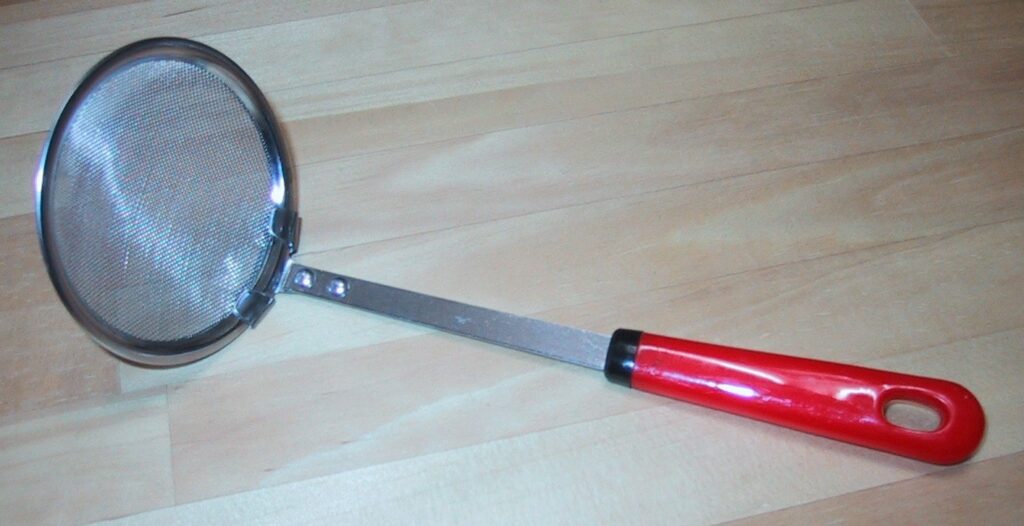
Use a fine mesh skimmer when you want to lift foam from the surface of a simmering pot while allowing
We would not choose a stainless steel cutting board for everyday cutting with a fine kitchen knife. Knife makers including
We use cookies for analytics and to measure our ads, so we can see how the site is used. Nothing is stored until you choose. Privacy policy