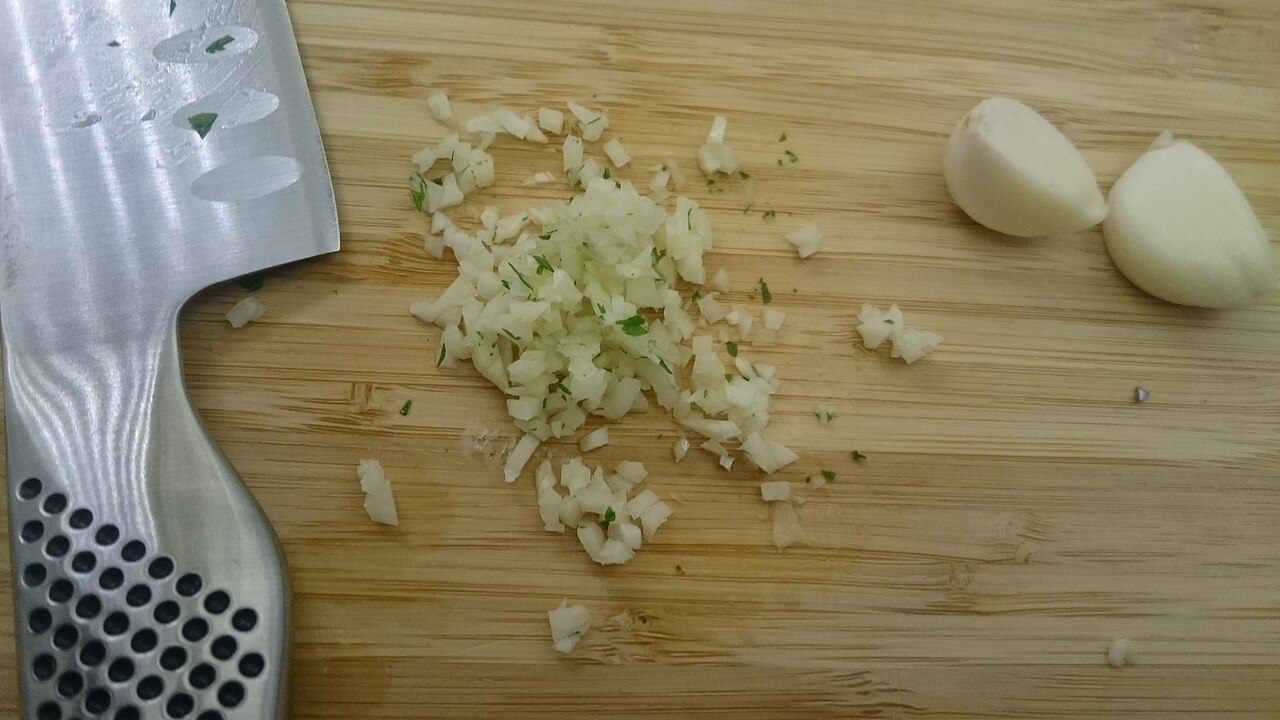
How to Mince Garlic with a Knife
To mince garlic, cut a peeled clove into thin slices, narrow strips, then small crosswise pieces. Keep the clove flat
Practical installation, measuring, care, and maintenance guides for Japanese wa handles. Use this archive when you need a safe next step before ordering, installing, cleaning, oiling, shipping, or repairing a handle. The guides focus on what can be checked at home without overpromising: blade length, tang width, tang height, fit depth, ferrule condition, moisture signs, oil finish condition, and whether a handle issue is cosmetic or structural. They also point out when to stop and ask for a controlled refit instead of adding more oil, glue, or heat. For a custom order, these how-to notes help you prepare useful photos and measurements so Horn and Grain can recommend a handle that fits the knife and the kitchen routine.
To mince garlic, cut a peeled clove into thin slices, narrow strips, then small crosswise pieces. Keep the clove flat
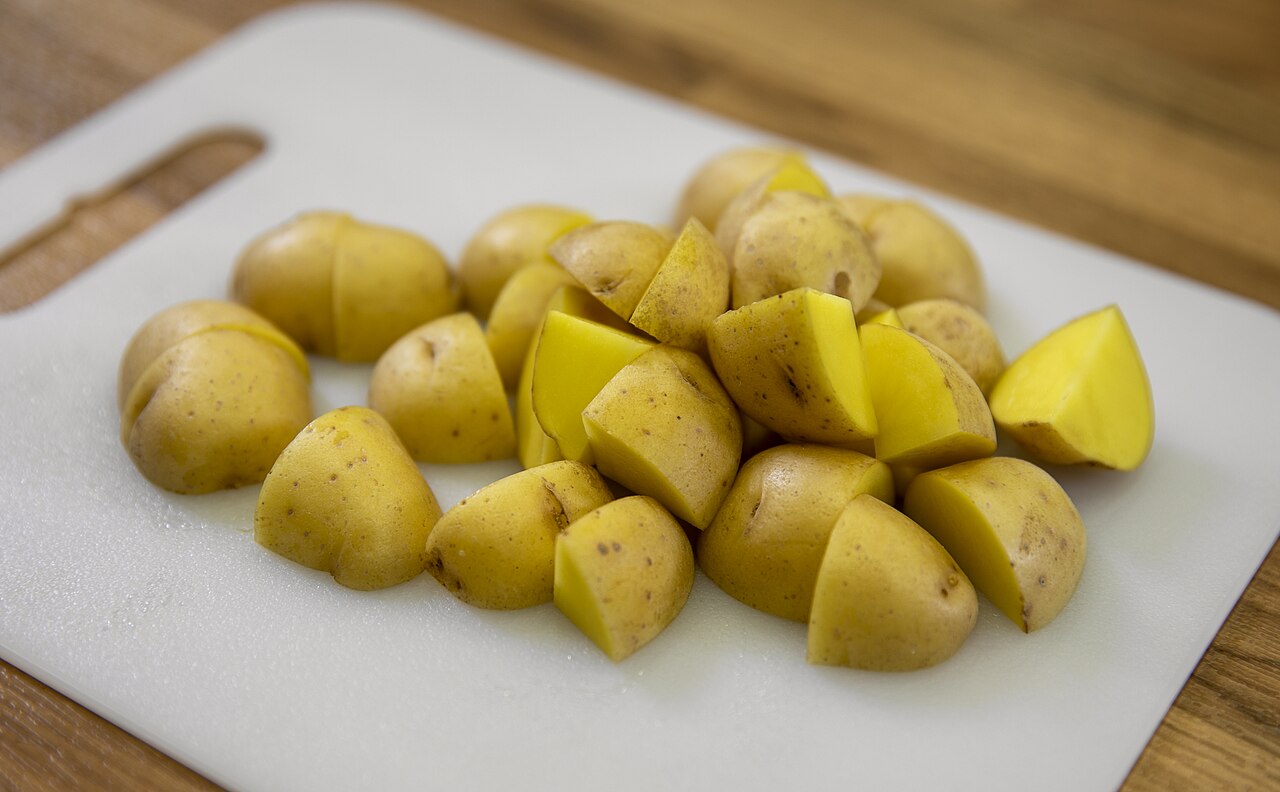
For fries or cubes, make a flat face first, then cut slabs, sticks and crosscuts. For wedges, divide the potato
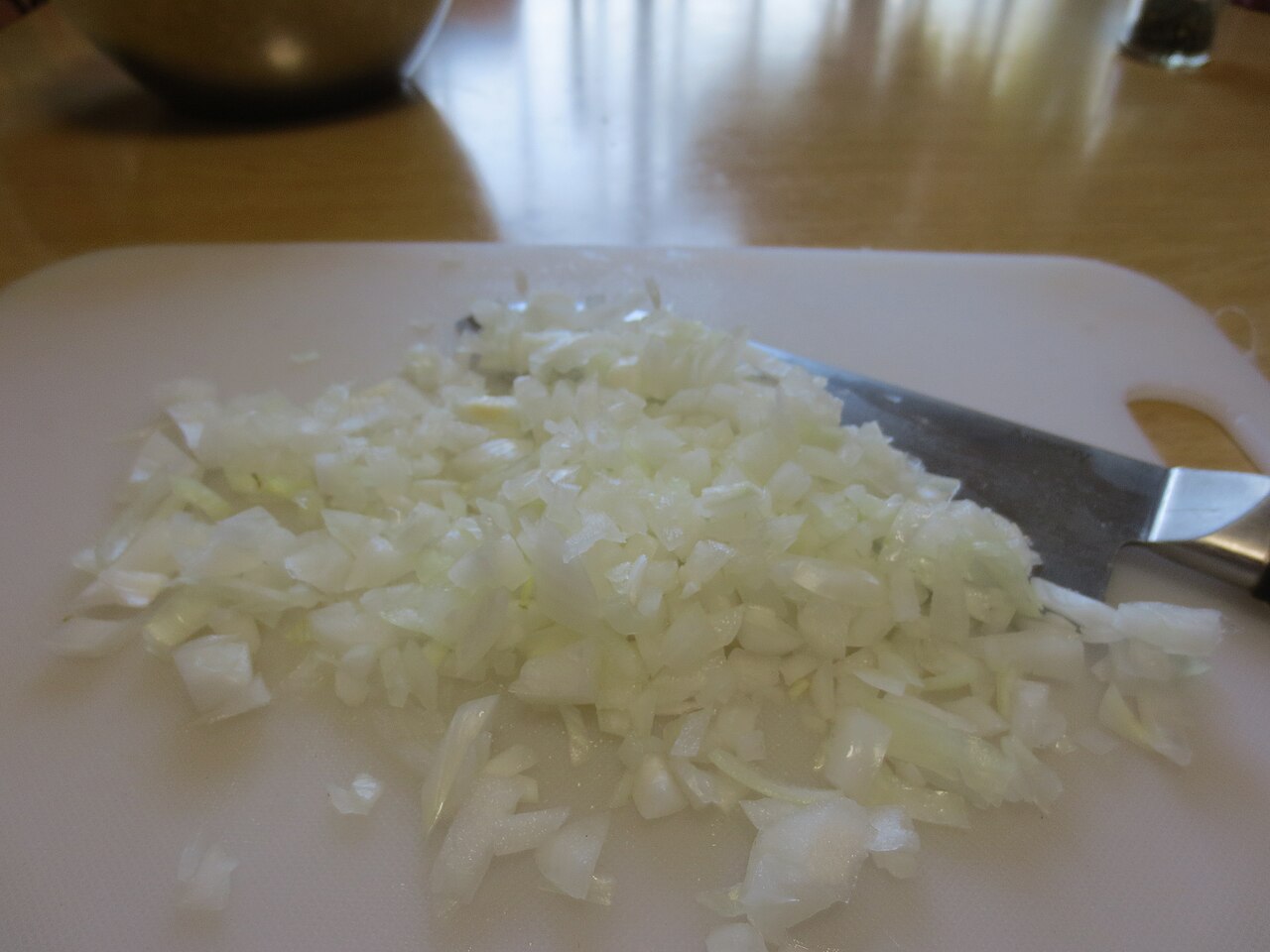
To dice an onion, cut it in half through the root, peel it, and place one half flat-side down. Make
To cut sweet potatoes, scrub and dry them, then trim a thin slice from one side to make a stable
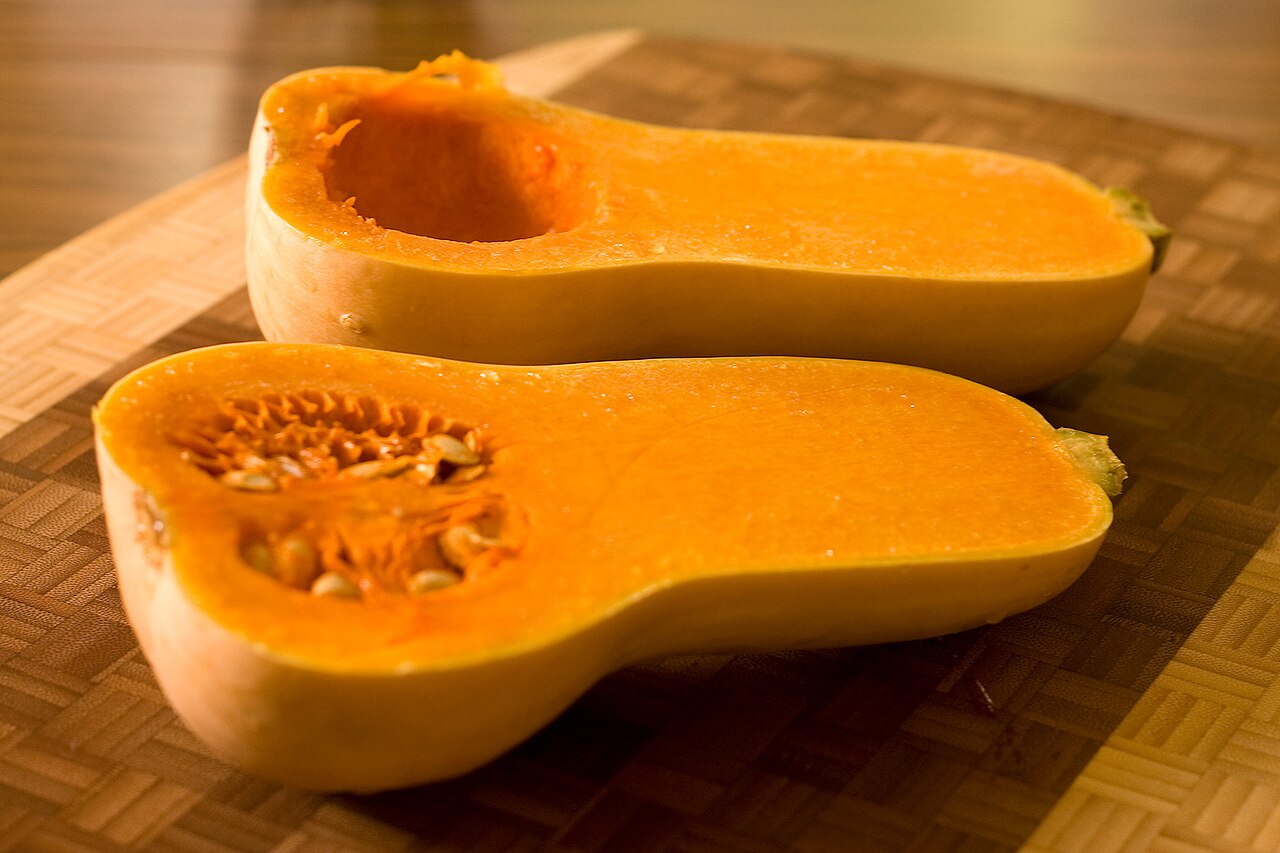
To cut a butternut squash, wash and dry it, trim a thin slice from the bottom, then keep the squash
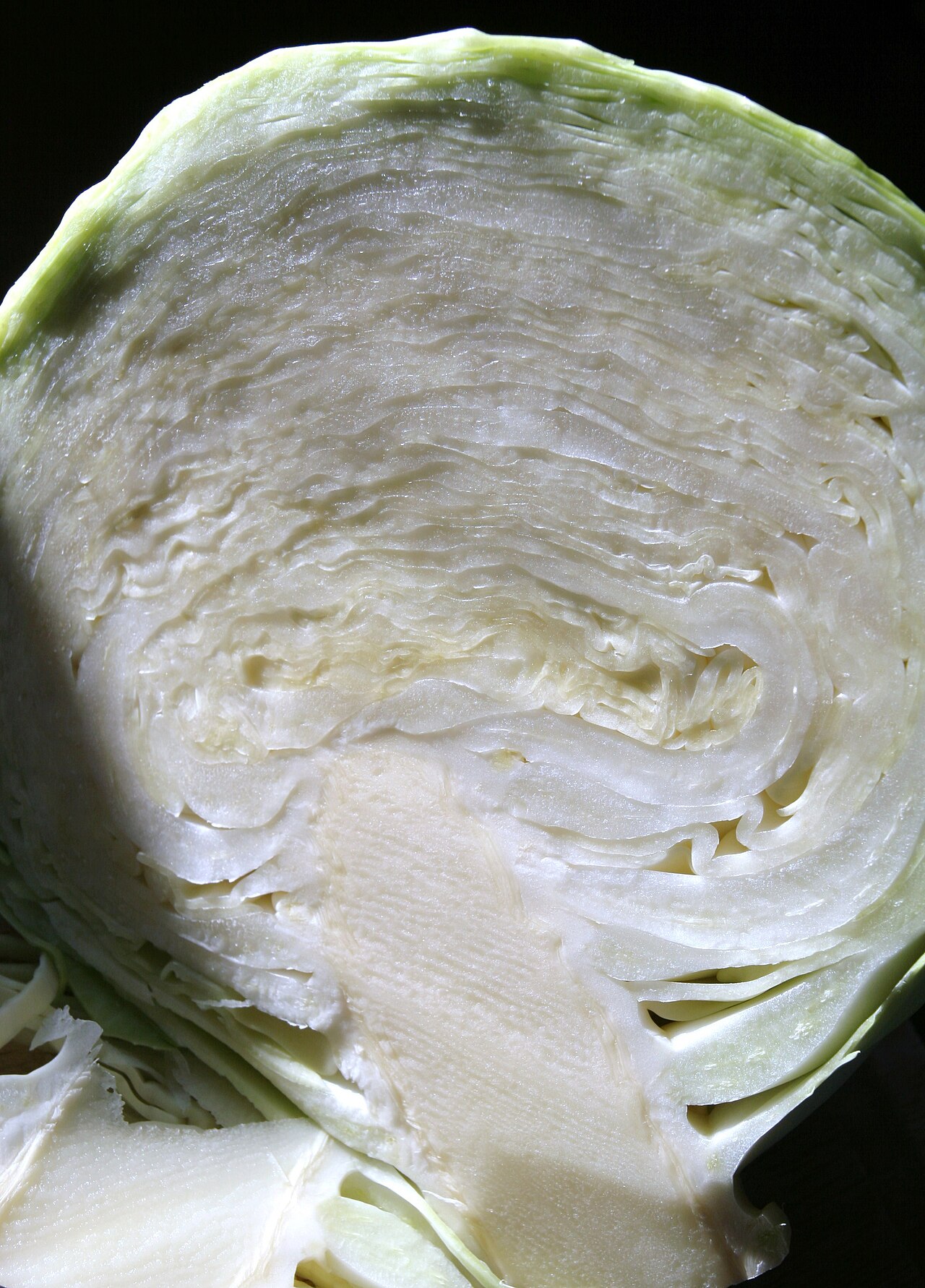
To cut cabbage, remove loose outer leaves, rinse and dry the head, then cut it in half through the stem.
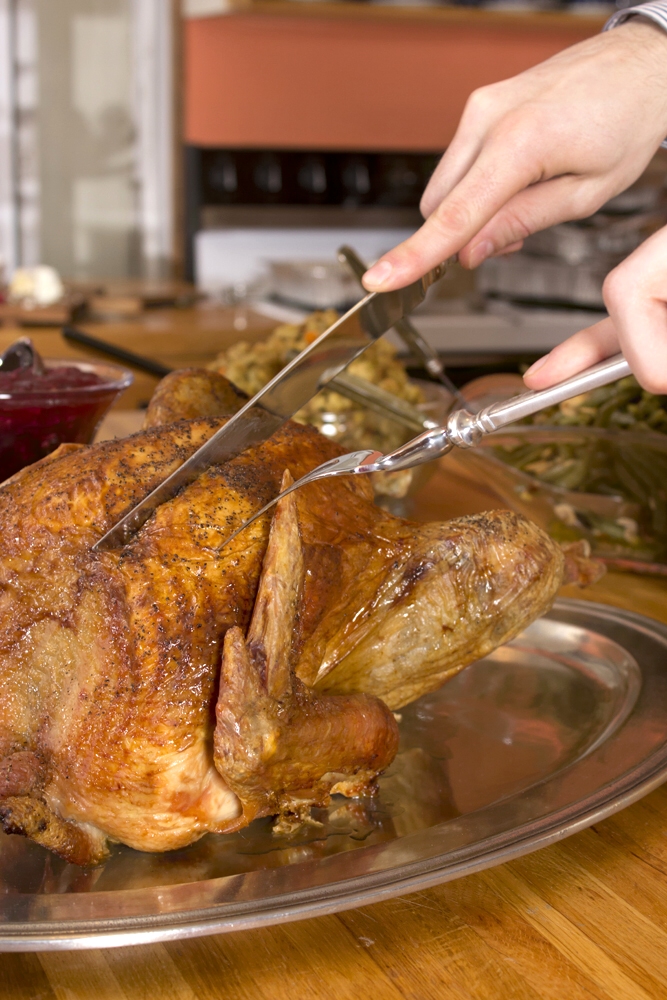
For a whole cooked turkey, remove the legs and wings at their joints, then lift each breast from the breastbone
No single home check proves that a knife is “sharp” in every sense. A paper cut checks whether the edge
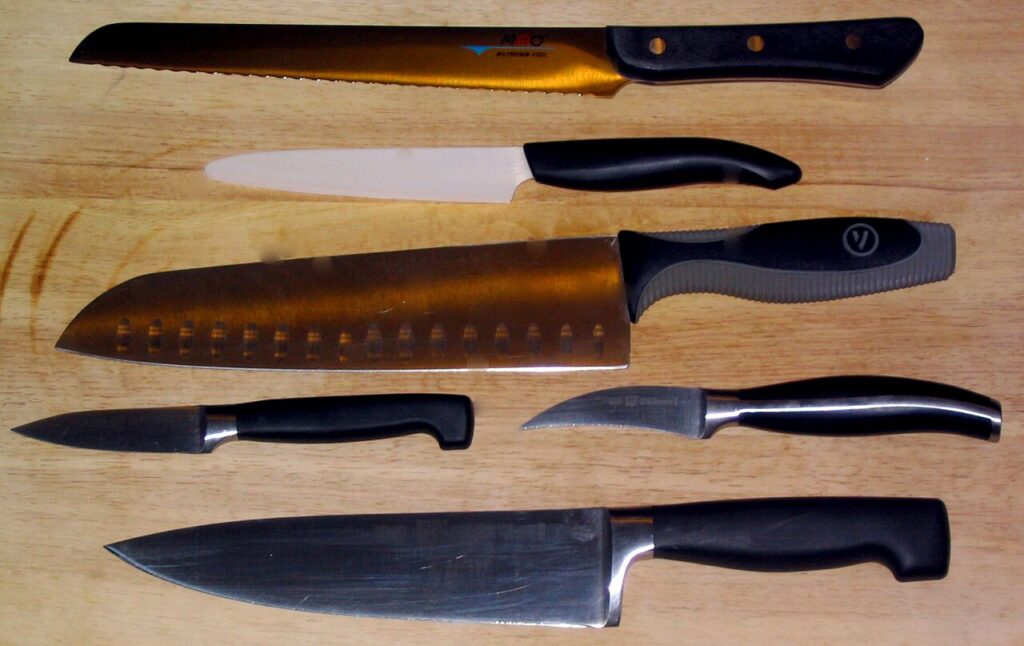
Can kitchen knives go in the dishwasher? Sometimes—but check the care instructions for the exact knife first. If its maker
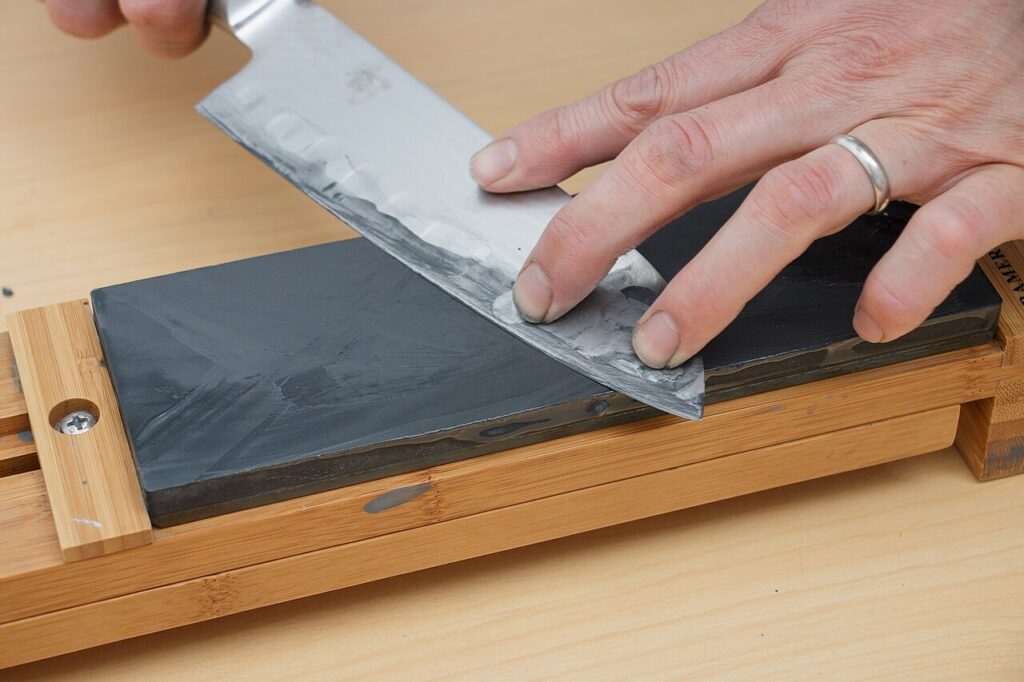
A medium whetstone can restore a normally dull, straight-edge double-bevel kitchen knife. Secure the stone, match its existing bevel, work
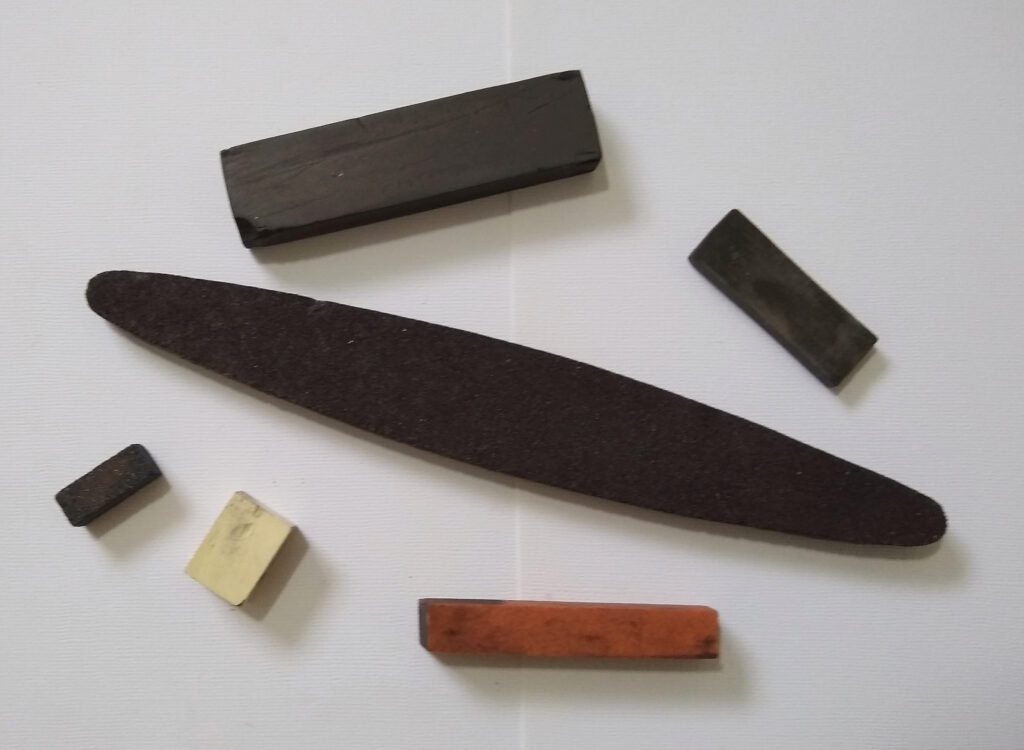
Rinse away sharpening residue, then dry and store the stone according to its maker and model. There is no reliable
Check the stone’s maker and model: soak rules differ by product family. SHAPTON’s FAQ says routine soaking is unnecessary; for
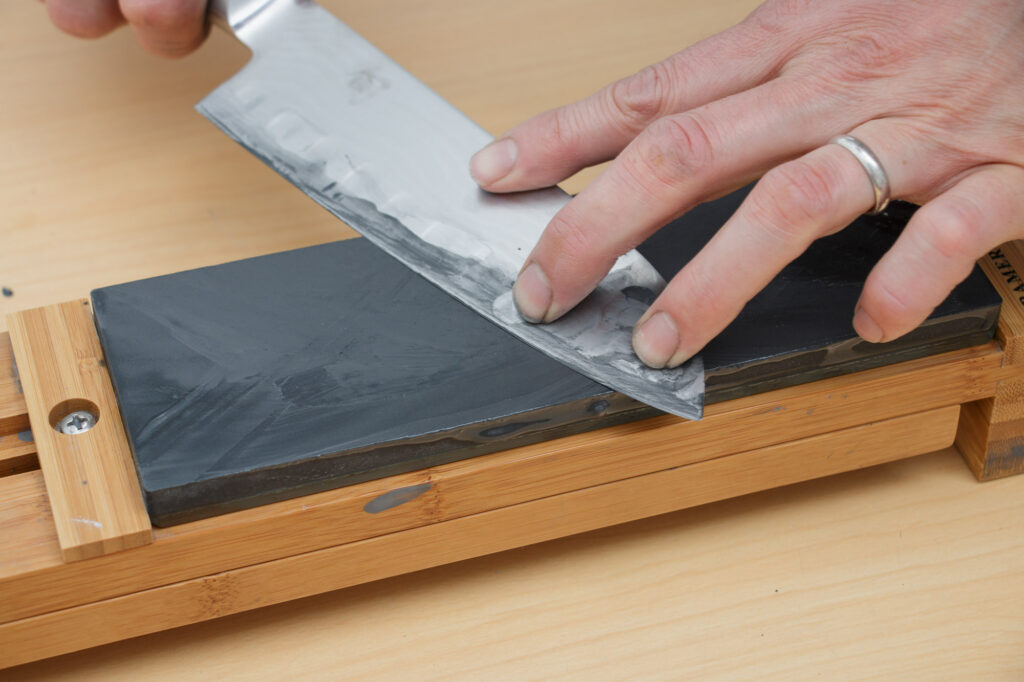
If a knife seems sharp just after sharpening but loses its bite quickly, a remaining burr or wire edge is
If you cannot detect a burr, first check whether the stone is reaching the very edge. More pressure is not
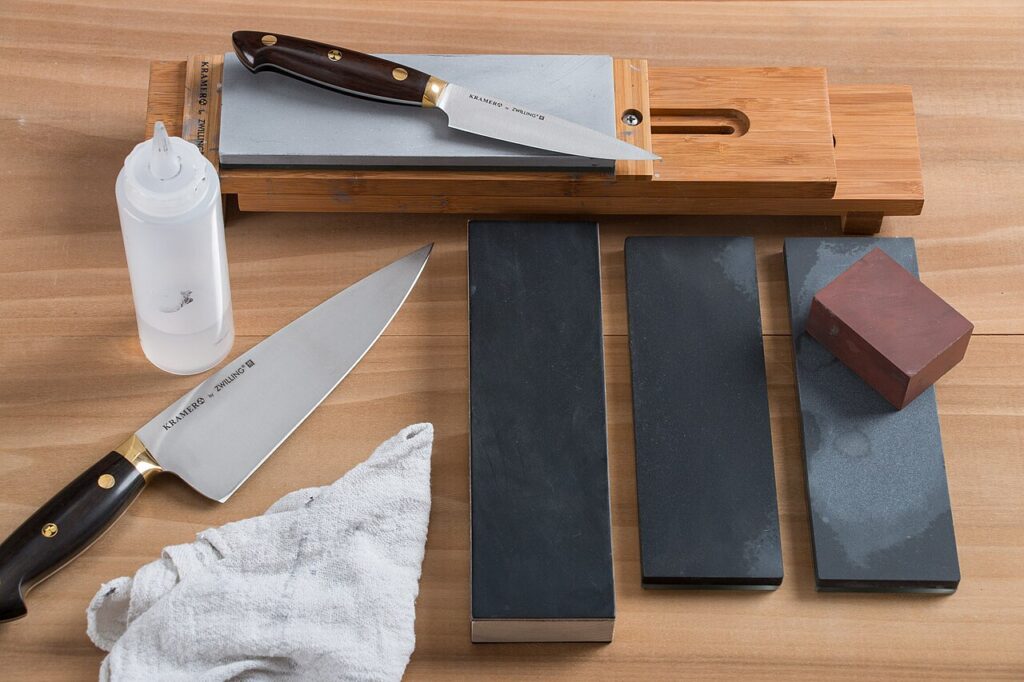
A nagura is a small stone rubbed on a larger sharpening stone to prepare its working surface or produce slurry.
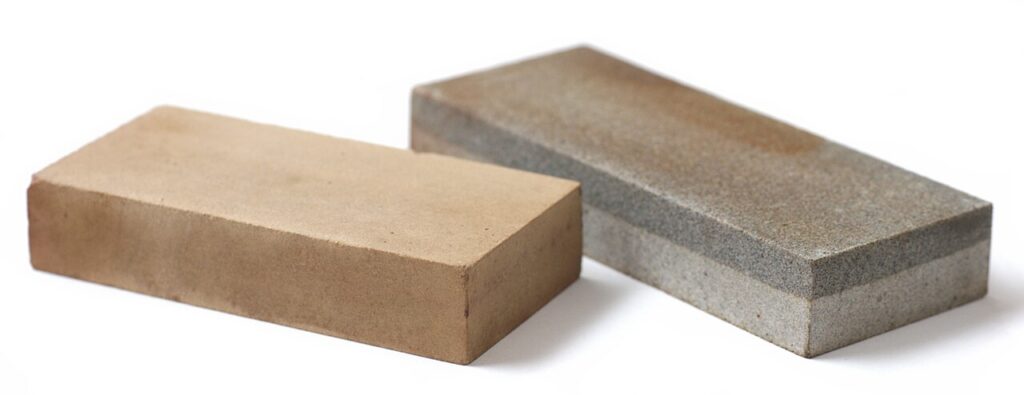
Choose a diamond sharpening plate if you want a rigid surface that avoids the routine dishing of a waterstone. Choose
Stropping is a finishing step: it clears the burr left by the stone and refines the last few microns of
For a Japanese kitchen knife that will sit unused, choose a blade oil whose label identifies it for knife or
We use cookies for analytics and to measure our ads, so we can see how the site is used. Nothing is stored until you choose. Privacy policy