





How to Mince Garlic with a Knife
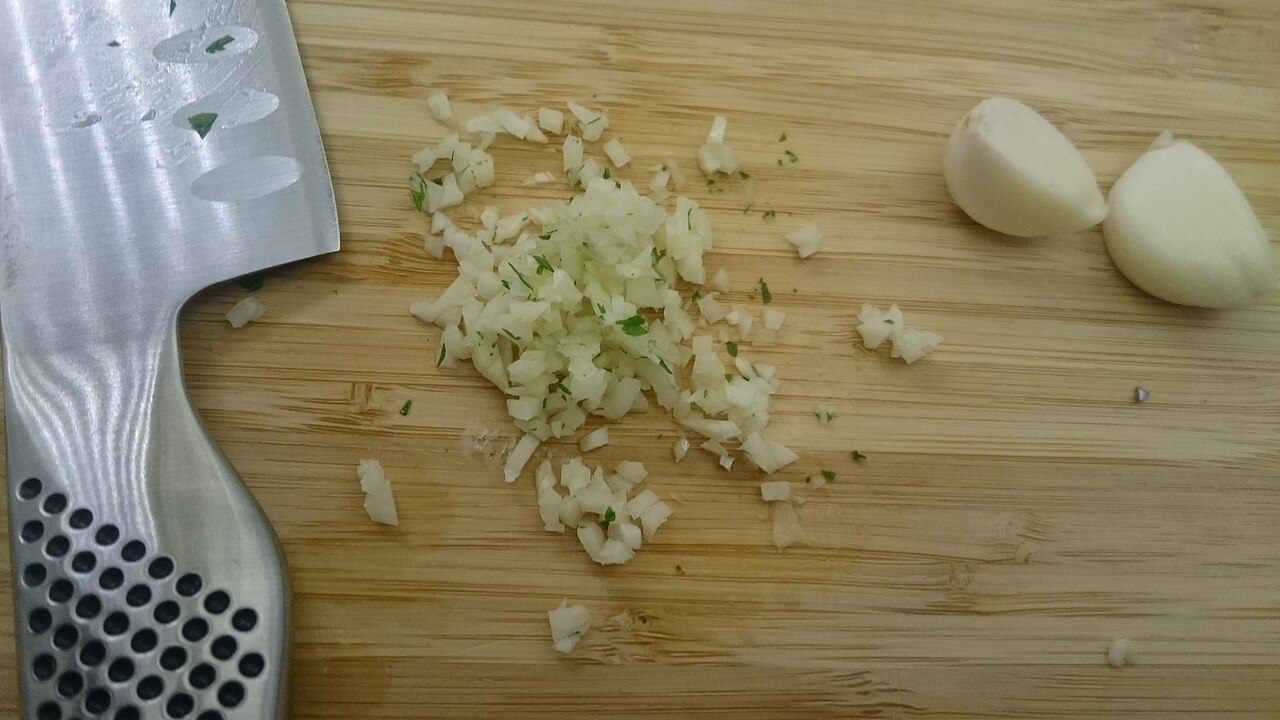
To mince garlic, cut a peeled clove into thin slices, narrow strips, then small crosswise pieces. Keep the clove flat…

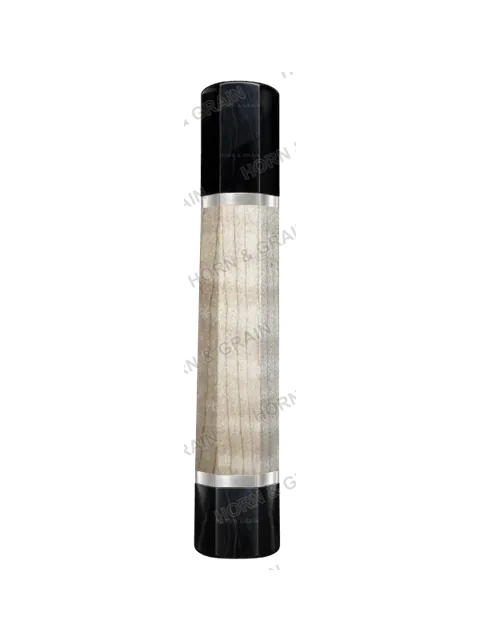
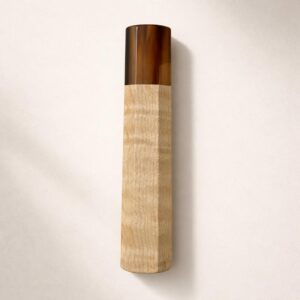
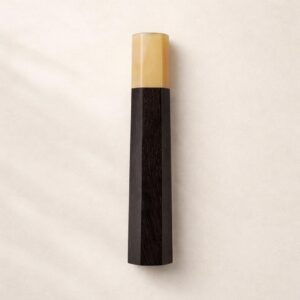
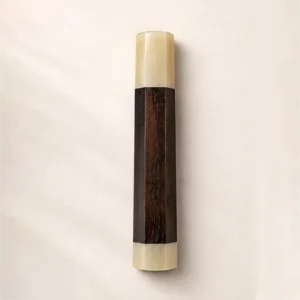
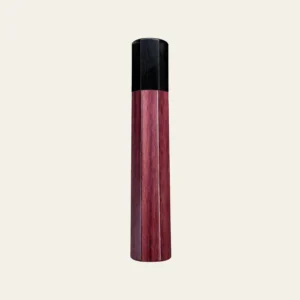
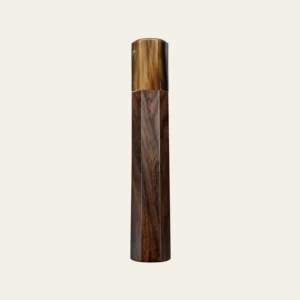
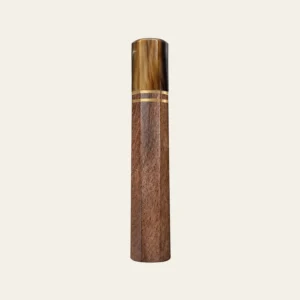
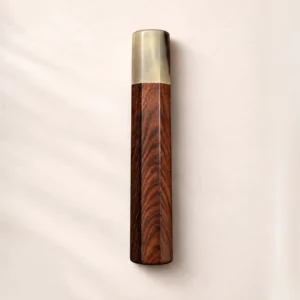
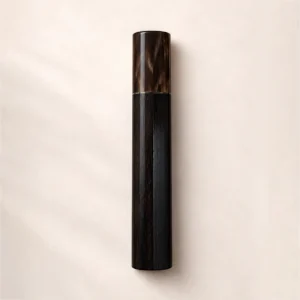
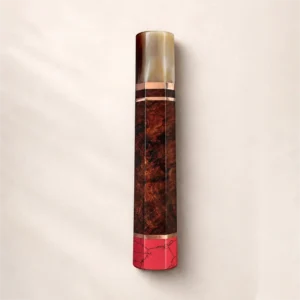
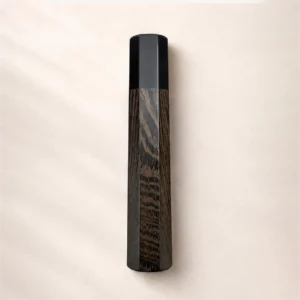
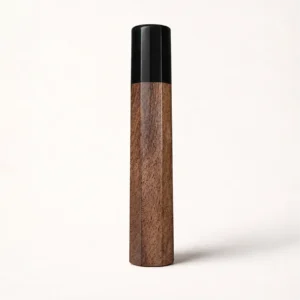
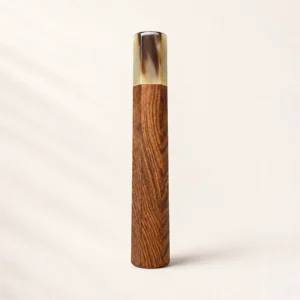
Start with a set design, chosen for balanced weight, clean grain, and everyday Japanese knife builds.
The Japanese wa handle is a different way to hold a knife — lighter, blade-forward, and simple to replace. Here's what sets it apart from western handles.
Forward weight shifts toward the blade. You guide instead of gripping.
Noticeably lighter than most western handles — less fatigue during long prep sessions.
Swap handles without replacing the knife. Upgrade, refresh, or match your style.
Centuries of Japanese craft refined into every shape — octagonal, oval, D-shape, round.
Every handle, four steps. From raw timber to finished handle — each piece goes through the same unhurried process.
Hand-pick blanks for grain character, density, and figure. Each piece of wood is chosen for what it will become.
Turn octagonal or oval profiles on the lathe. Every facet is cut to feel right in the hand.
Shape the tang mortise to your knife's own measurements — fitted to your blade, not to a standard.
Sand to 2000 grit, oil with food-safe tung oil, and hand-buff to a warm satin sheen.
Premium Hardwoods
We source exceptional timber from sustainable suppliers worldwide. Each species has its own personality — from the jet-black density of ebony to the wild figure of desert ironwood.

We believe every knife deserves a handle that matches its craftsmanship. We hand-select premium woods for their character and grain, and shape each handle the traditional way — by hand, no shortcuts. Every octagonal facet, every ferrule joint, every surface is finished by hand.
Our wood comes from trusted suppliers who share our respect for the material. We look for exceptional grain figure, consistent density, and character that makes each handle unique. From African ebony to Japanese cherry, from desert ironwood burl to figured rosewood — we source what we'd want on our own knives.
Learn About Horn and Grain“Absolutely beautiful. The workmanship is seamless between the horn and timber.”
“Perfect quality, very fast shipping”
Guides, wood stories, and care tips to help you find the perfect handle for your knife.
To mince garlic, cut a peeled clove into thin slices, narrow strips, then small crosswise pieces. Keep the clove flat…
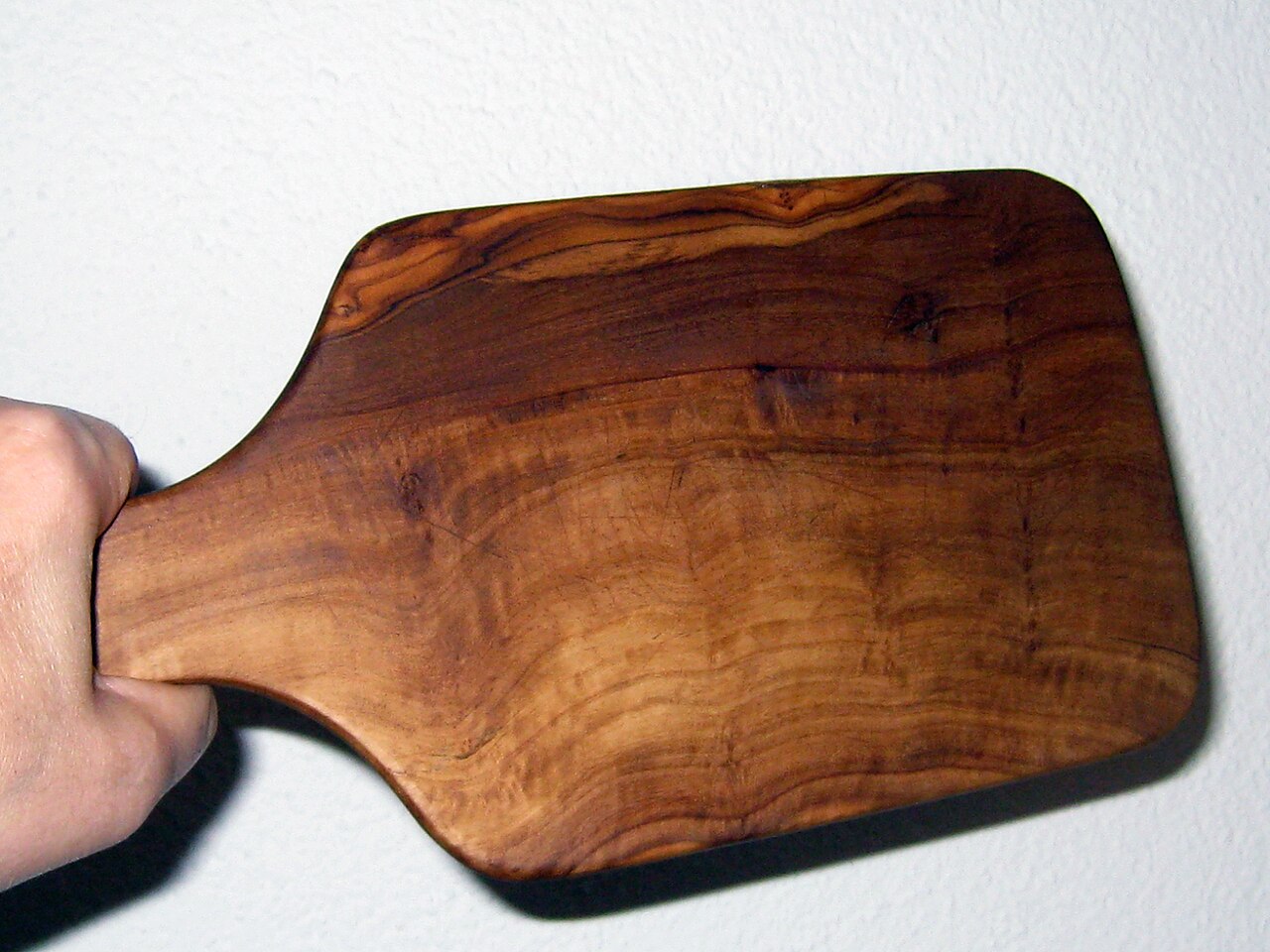
Choose an olive wood cutting board by matching its listed working area and care routine to how you plan to…

Choose an acacia cutting board by checking the exact model’s usable dimensions, construction, fittings and care instructions. “Acacia” alone does…
We use cookies for analytics and to measure our ads, so we can see how the site is used. Nothing is stored until you choose. Privacy policy