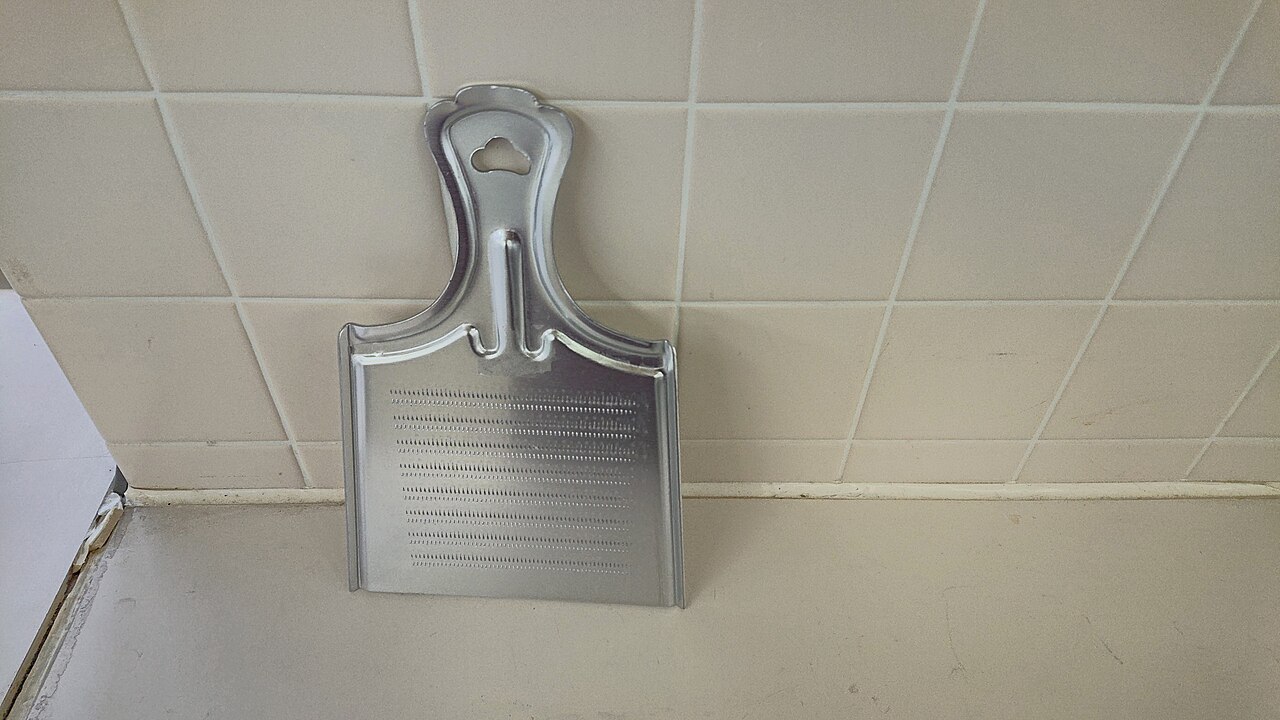
Choose a Japanese grater by the texture you want to eat. For familiar, moist daikon oroshi, look for a standard grating surface. Choose an oni-oroshi when you want a deliberately coarse result. For a little ginger or garlic, a small, fine condiment grater is the more relevant category. A sharkskin grater is a specialized option for fresh wasabi. For small, separate pieces instead of a grated texture, see how to mince garlic with a knife. For a focused comparison, see compare general grater forms with Japanese grater choices.
An existing grater is enough if it already produces the result you enjoy. The reason to add another surface is a recurring texture or handling problem, not the Japanese name on the package.
What are you trying to put on the plate?
“Grated” can describe a loose pile of shreds, a moist mound or a fine condiment. Those are different cooking results. Think first about whether the ingredient will remain noticeable in a mouthful or blend into a sauce.
| Intended result | Useful starting category | Main buying question |
|---|---|---|
| Moist, fluffy daikon | Standard Japanese grater | Can it handle the batch and collect the liquid? |
| Coarse vegetable texture | Oni-oroshi | Is this coarseness what the dish needs? |
| A little fine ginger or garlic | Condiment grater | Can you gather a small amount easily? |
| Fine fresh wasabi | Wasabi grater | Is fresh wasabi a regular task? |
This is an ingredient-to-task map, not a ranking of materials. “Oroshigane” is a name you will encounter for a Japanese grater; it does not by itself specify the exact tooth pattern, working area or resulting texture. A product photograph and description should establish what the surface actually does.
Daikon oroshi needs a different result from salad shreds
Daikon oroshi is grated daikon, commonly used as a condiment. Kikkoman’s grating overview describes the standard result as moist and fluffy, and notes its use alongside grilled fish, in tempura dipping sauce and in cooked dishes. It distinguishes oni-oroshi as much coarser grating that retains a crisp texture.
That helps explain a common disappointing substitution. A grater may cut daikon successfully yet leave pieces that feel too separate for the soft mound you expected. The relevant question is then whether a different face of that grater can produce the desired texture. If it cannot, a standard Japanese grater answers a real problem.
Collection matters alongside cutting. Kikkoman’s guide to grater forms identifies tray graters for watery vegetables such as daikon and onion. A tray keeps the working surface and receiving container together. It does not decide how much liquid belongs in the finished dish; retain or drain the gratings according to the recipe.
For a small condiment portion, a compact tool may be sufficient. If you repeatedly grate enough daikon for several plates, compare the working area and collection space before choosing something designed mainly for a knob of ginger.
Oni-oroshi earns its place through coarseness
An oni-oroshi is not simply a more traditional version of the same fine grater. Its large teeth are the reason to buy it. Think of the texture as an intentional part of the dish rather than an unfinished stage on the way to a finer result.
If you like daikon as a noticeable, coarse element, this category is worth exploring. If you want a fine condiment that mixes through a dipping sauce, keep that requirement in view. Owning both tools makes sense only when you want both outcomes. For sesame or a dressing you want to grind and mix by hand, see the suribachi guide for size and use. For a focused comparison, see choose between a suribachi and other mortar options.
A useful comparison is to name the failure of the grater you already have. “Too coarse for the sauce” points away from an oni-oroshi. “I want a coarser result” points toward one. “It takes up too much room” is a storage problem, and a second specialist tool may not solve it.
Ginger: why a small ceramic plate can make sense
The useful feature of a condiment grater is its suitability for a small amount. If you need a spoonful of ginger, the work includes recovering that spoonful after grating. A large tool is not automatically inconvenient, but the size of its collection area and access around the teeth become part of the choice.
Kikkoman describes fine copper graters for ginger and yuzu peel, and ceramic plates for ginger. Copper is one established option; it is not evidence that every copper grater outperforms every ceramic one. Compare the actual surface and the amount you prepare.
As a specific ceramic example, Kyocera’s ginger graters use raised teeth and a surrounding bowl to collect gratings and juice. The maker says the surface shreds ginger while leaving its fibrous material behind. It also lists other uses, including garlic and hard cheese. That broader use list applies to these products, rather than proving every ginger plate is equally versatile.
Before buying, consider where the finished condiment will go. For a little ginger added to dressing, a small collecting area may be appealing. For a large bowl of vegetables, a tool selected around that spoonful may be the wrong scale.
Wasabi is the specialized case
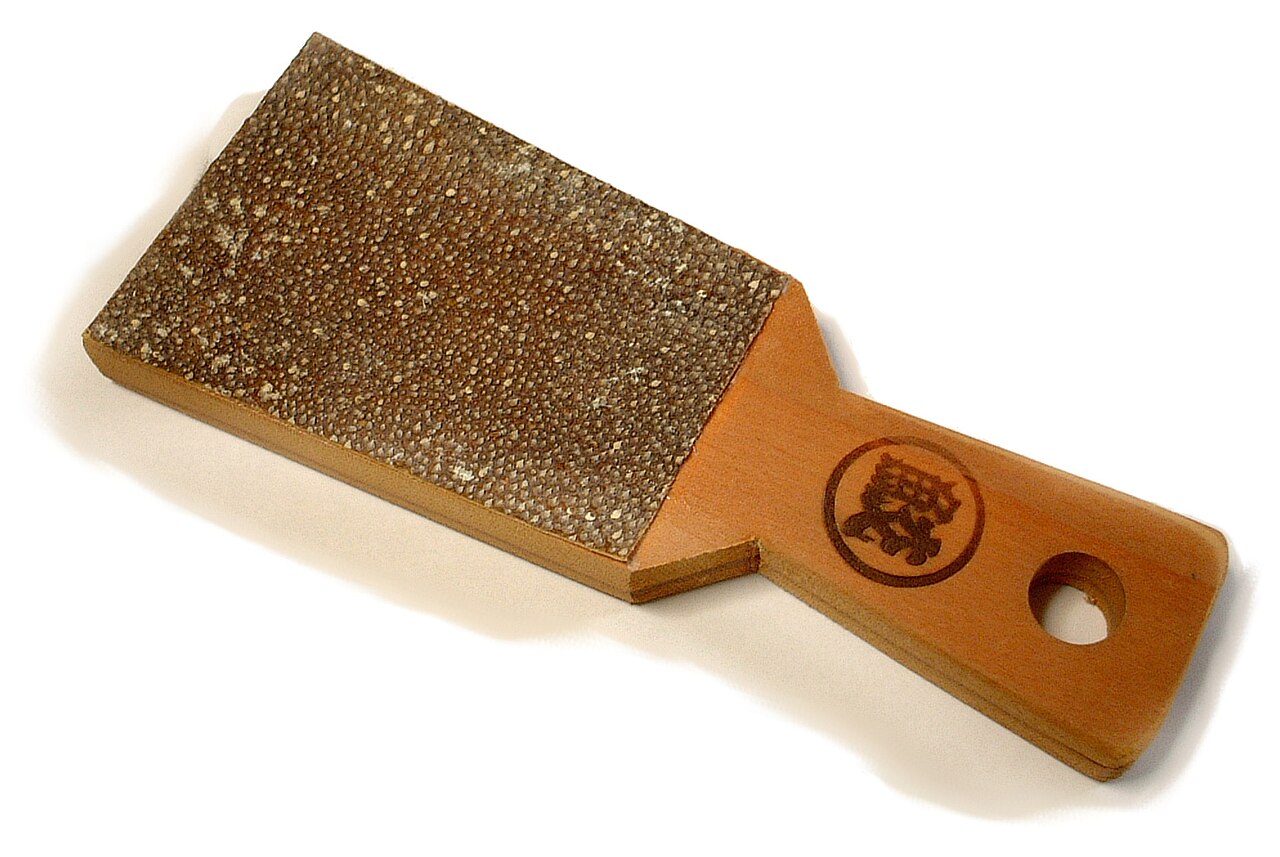
Kikkoman identifies sharkskin graters specifically with wasabi and describes slow circular rubbing to produce a fine texture. That is a reason to investigate the tool when fresh wasabi is part of your cooking. It is not a reason to replace a general vegetable grater with one.
For most buying decisions, keep “fine condiment grater” and “sharkskin wasabi grater” as separate choices. A desire for grated ginger does not automatically create a need for the latter. Likewise, the tool does not create a task if you do not normally prepare the ingredient.
Keep the grater whose result already works
Try the relevant face of your existing box grater on a normal recipe before deciding it is inadequate. Judge the finished food: are the pieces too coarse, is the condiment pleasant, and can you collect the amount you need? If the result works, its origin or shape needs no correction.
Cleanup should also be a concrete part of the purchase. Kyocera labels the cited ceramic products dishwasher-safe; that permission cannot be carried over to a copper grater, bamboo oni-oroshi or sharkskin tool. Read the instructions for the chosen material and model, including how to clear food from its teeth without handling the cutting surface directly.
One well-matched surface is more useful than a collection bought without a dish in mind. The kitchen tools guide offers the same test for the rest of the drawer: keep a tool because its work and upkeep fit the kitchen you actually use.