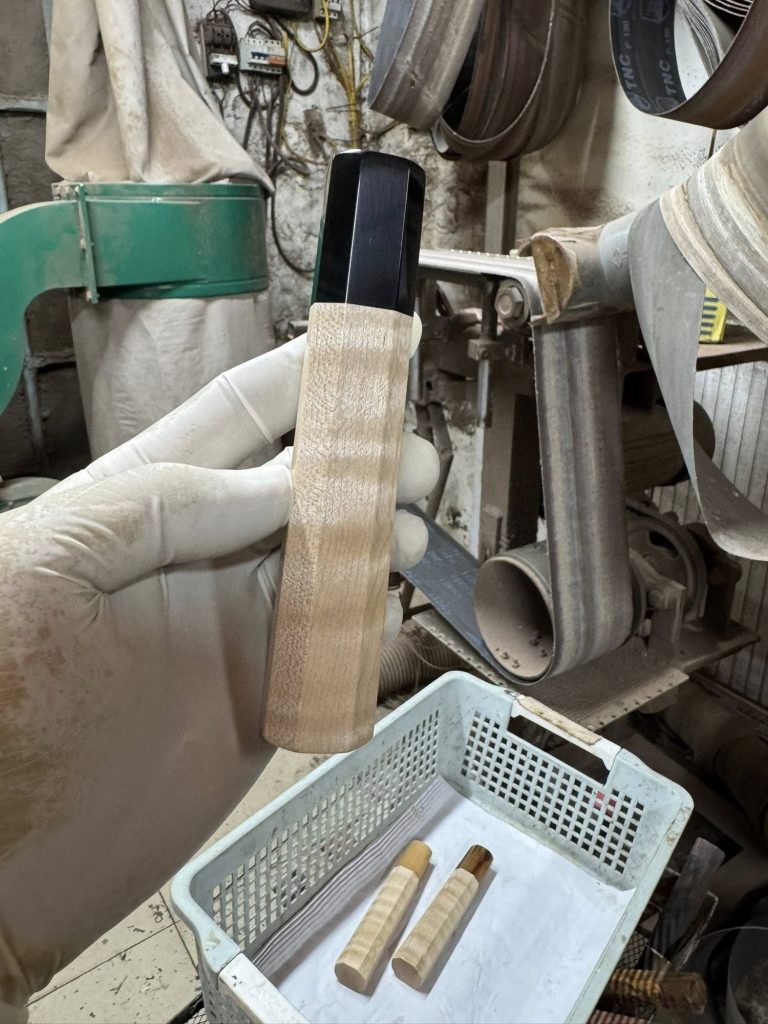
Why Ho Wood Is Traditional for Japanese Knife Handles
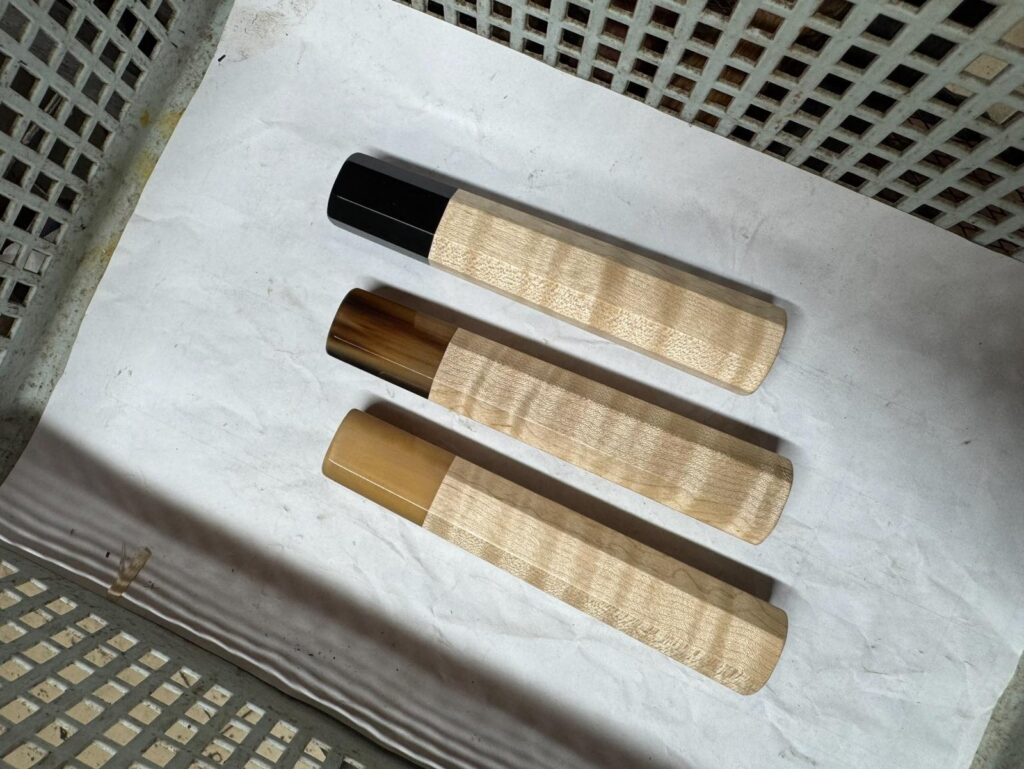
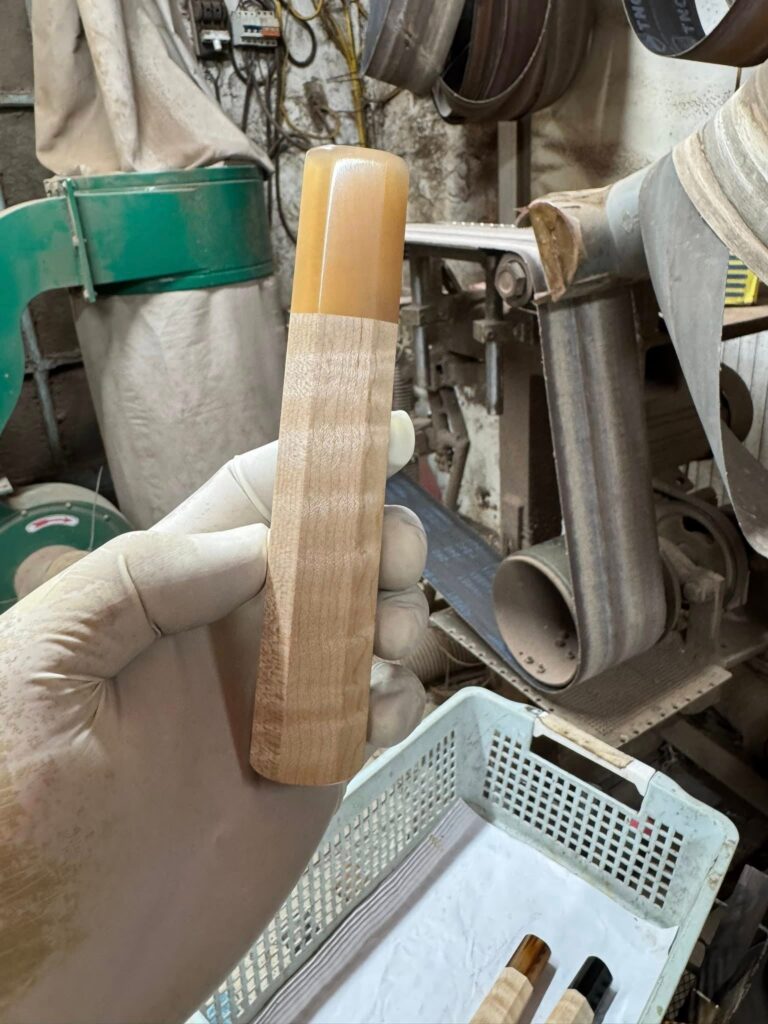
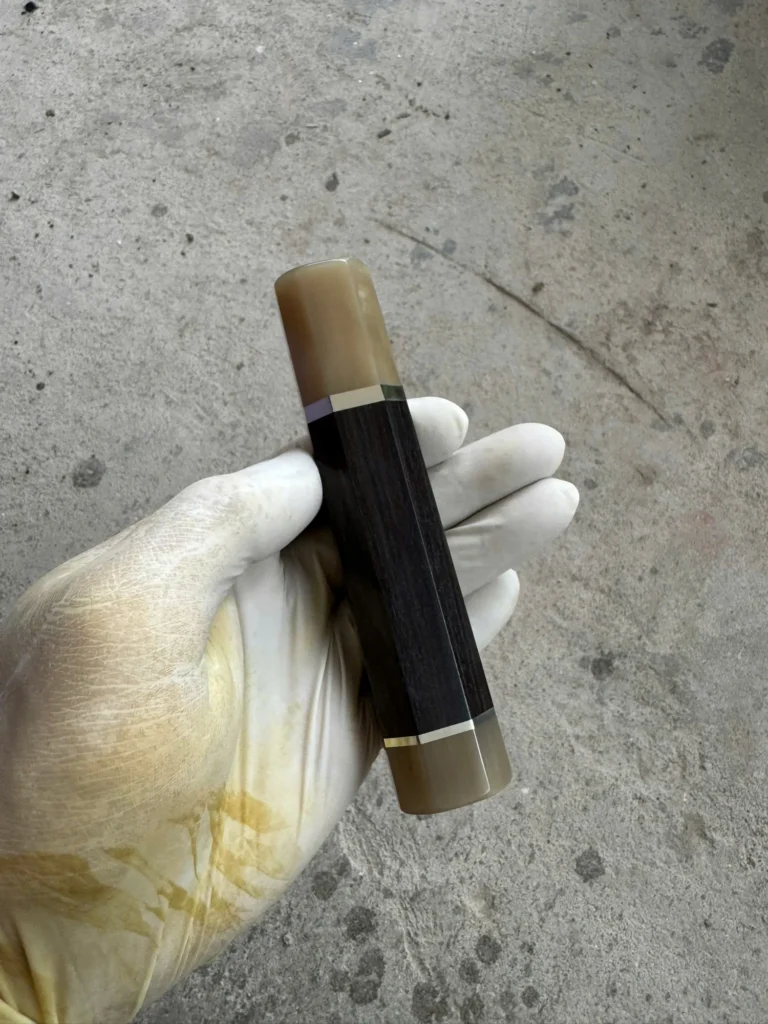
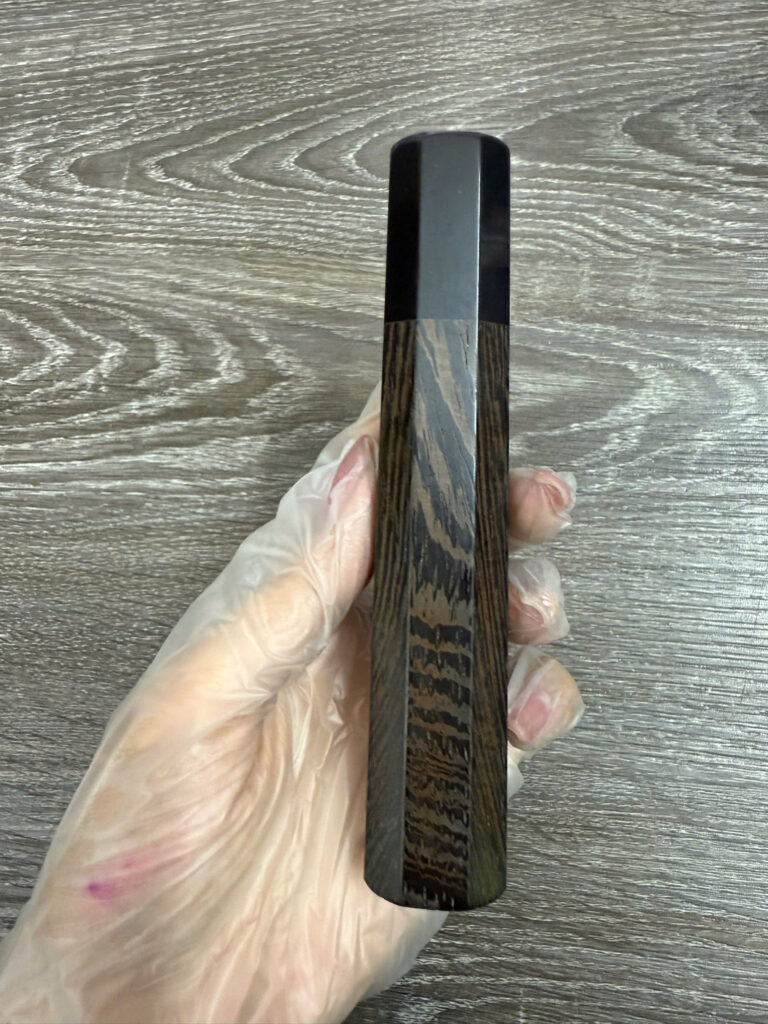
Traditional Japanese knife handles often use ho (hō / hōnoki, magnolia) because it is light, soft, straight-grained, low in resin
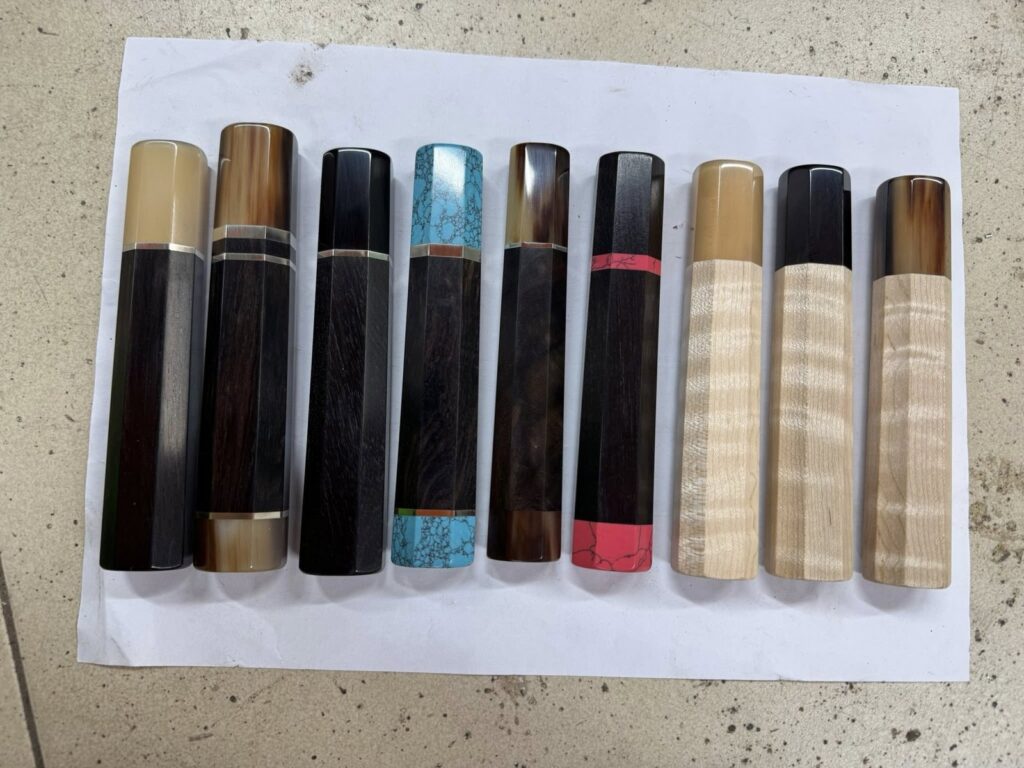
These general wa handle guides cover the decisions that affect feel, durability, and day-to-day use: wood choice, ferrule material, shape, size, installation, and care. Use this archive as a reference library when a single product page does not answer a broader question. The guides are organized for buyers who want to understand why one handle feels light, another feels planted, and a third needs a different care routine. They also connect common questions to deeper resources, so you can move from broad education into a specific handle plan without guessing. New readers can skim the archive for fundamentals, while returning buyers can jump straight into sizing, wood behavior, or ordering details. For planning, move from the wood guide to the ferrule guide, then check measurements in the size guide. If you are comparing actual purchase options, continue to the shop or use the custom configurator.
Traditional Japanese knife handles often use ho (hō / hōnoki, magnolia) because it is light, soft, straight-grained, low in resin
Hōchō (包丁, older 庖丁) is the everyday Japanese word for a kitchen knife. Japanese dictionaries say it began with a
A deba is a thick-spined, single-bevel Japanese knife made to break down whole fish: removing heads, working through collars, freeing
White and Blue are Yasugi carbon cutlery steels from Proterial. White is close to iron and carbon; Blue adds tungsten

A san-mai blade uses three layers: a hard cutting core wrapped in softer steel or iron. It is one form
Does a left-hander need a left-handed Japanese knife? For double-bevel knives—gyuto, santoku, bunka, nakiri and petty—no special version is normally
A Japanese natural whetstone, or tennen toishi, is sedimentary stone quarried around Kameoka in Kyoto Prefecture. The prefecture’s museum listing
Many Japanese knives arrive with a squared, sometimes sharp spine and choil—the exposed section at the heel between the cutting
Kurouchi means the black forge scale is retained; migaki means polished; nashiji is the pear-skin texture left after scale removal;
Much of the Japanese kitchen is held together by shape because fit can carry force and leave an object serviceable.
For a gyuto (Japanese chef’s knife), santoku (general-purpose knife) or bunka (angular-tipped multipurpose knife), pinch the blade between your thumb
A yanagiba is a long, narrow, single-bevel Japanese slicer for cutting boneless fish for sashimi and sushi in one drawing
Why does one cypress run through the Japanese kitchen? Hinoki (Chamaecyparis obtusa) links Ise Jingu, the Shinto shrine complex at
A hamaguri-ba, or “clam-shell edge,” is a cross-section that curves gently from the blade face to the apex—the fine line
Is a bunka a different knife from a santoku? In practical terms, usually not: it occupies the same length class
For most home kitchens, buy the 210 mm gyuto. If the workspace easily contains 240 and your recurring cuts use
A honesuki is Japan’s poultry-butchery knife. Its triangular profile is the job description: a stiff, pointed tip for working around
The blade: a blue-grey bloom A carbon-steel blade that has cooked for years no longer has the blank brightness of
We use cookies for analytics and to measure our ads, so we can see how the site is used. Nothing is stored until you choose. Privacy policy