Carbon-Steel Patina: Force It, Keep It, or Remove It?
Patina on a carbon-steel knife—force it, keep it, or remove it? The honest answer: it is the steel settling in,
Guides, wood stories, and care notes for choosing and maintaining Japanese wa handles.
Patina on a carbon-steel knife—force it, keep it, or remove it? The honest answer: it is the steel settling in,
How do you transport Japanese knives safely? Cover every edge before anything moves—that is the whole doctrine. Then organise for
A saya is a fitted wooden sheath for a knife blade. Traditionally made from a soft, light wood such as
The right storage method can be a saya, magnetic strip, block, or drawer. Any of them works if it does
Japan’s knife towns are active production regions, not heritage labels. Today, Sakai specializes in professional kitchen knives made through separate
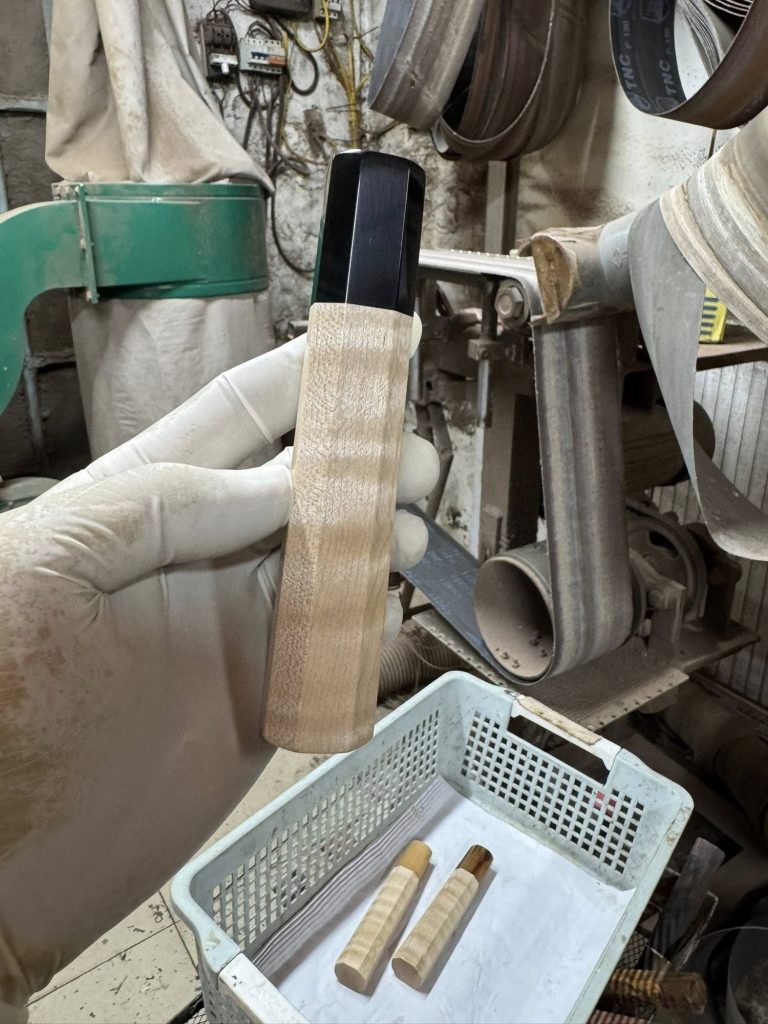
“Hand-forged,” “hand-finished,” “handmade,” and “artisan” are process descriptions of very different strength. Most of these English terms carry no certification
Is a sujihiki just a Japanese carving knife? Not quite. They share a job: making long slices of cooked meat.
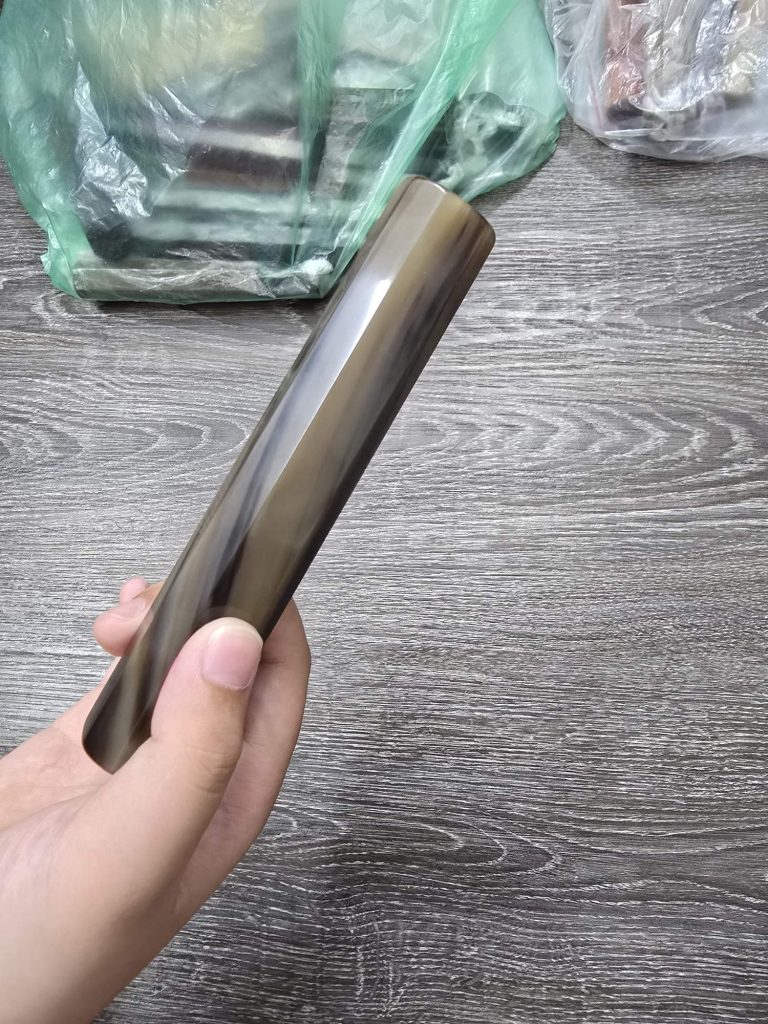
You already have a gyuto—does a sujihiki earn its own counter space? The honest answer is that a gyuto already
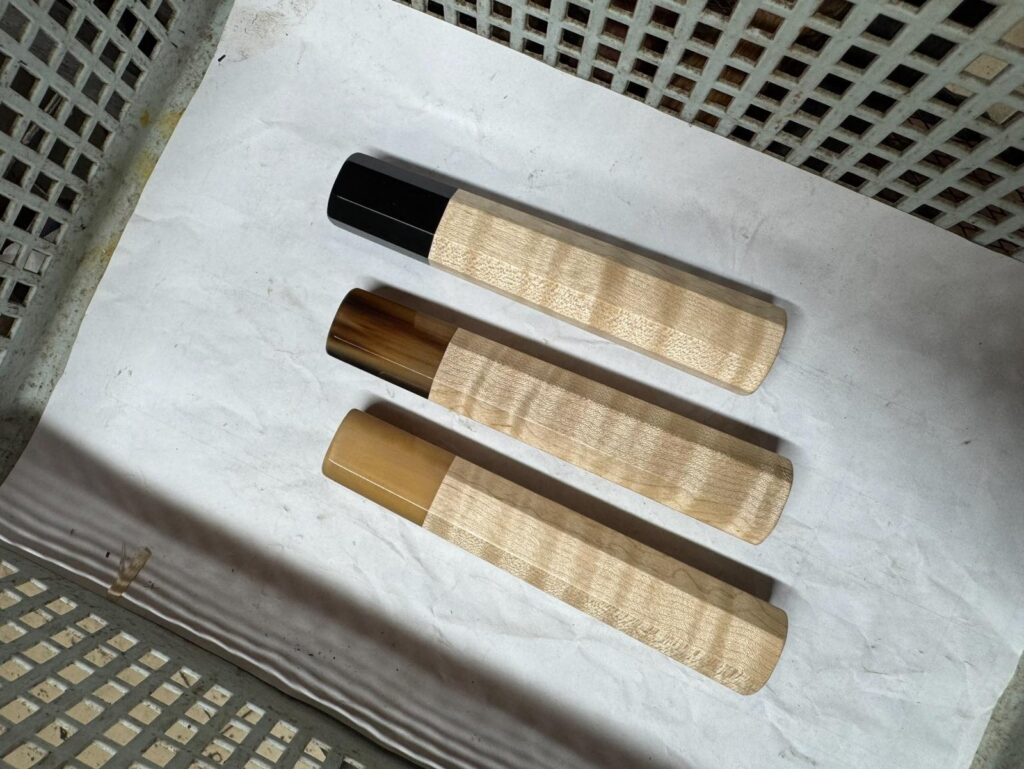
Replacing a Japanese knife handle has three routes: compatible routine care for a structurally sound handle, a stock replacement whose
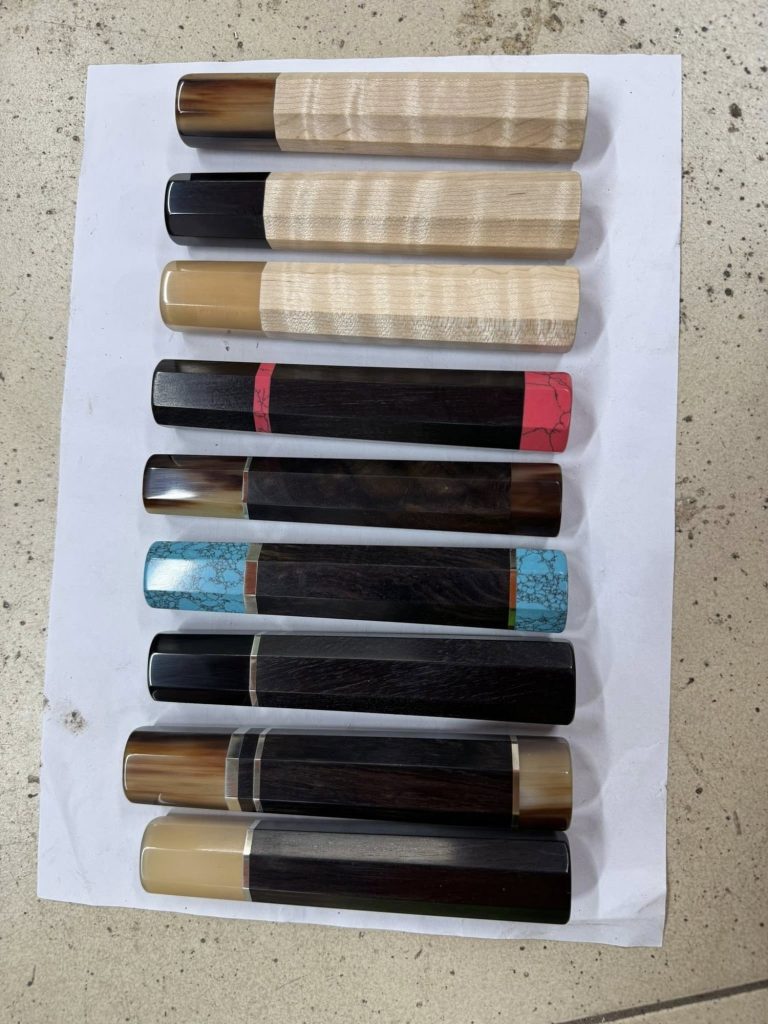
What actually changes is a set of three linked trade-offs. Japanese-style kitchen knives generally combine harder steel, a thinner grind,
For an owner, Japanese knife steel vocabulary reduces to two practical splits. Carbon versus stainless tells you how much care
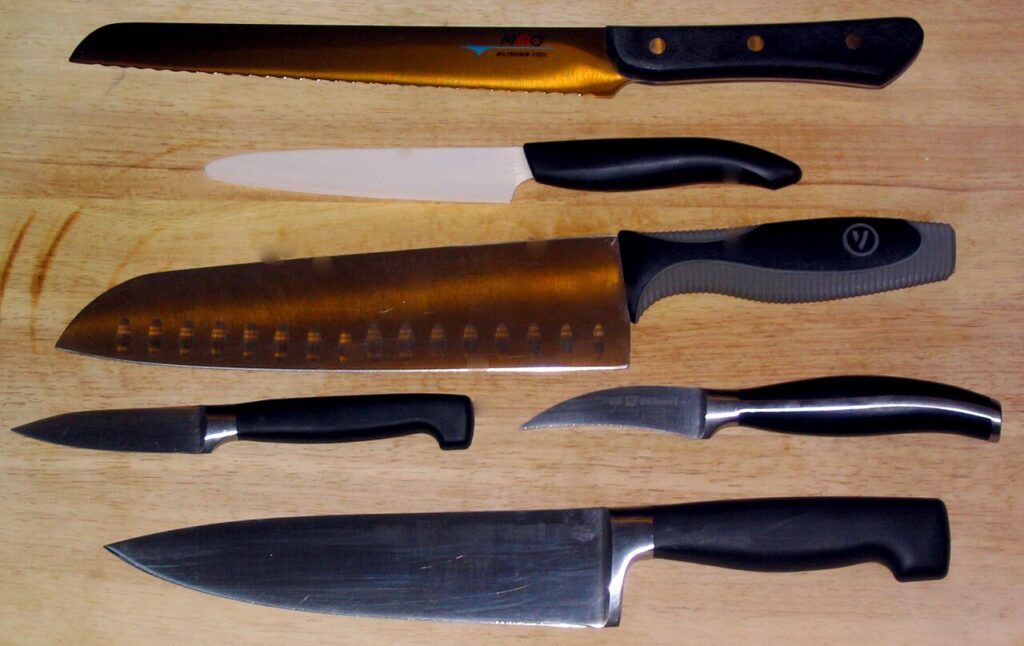
Choose your first Japanese knife by making three decisions, in this order: type, size, and steel. For type, choose a
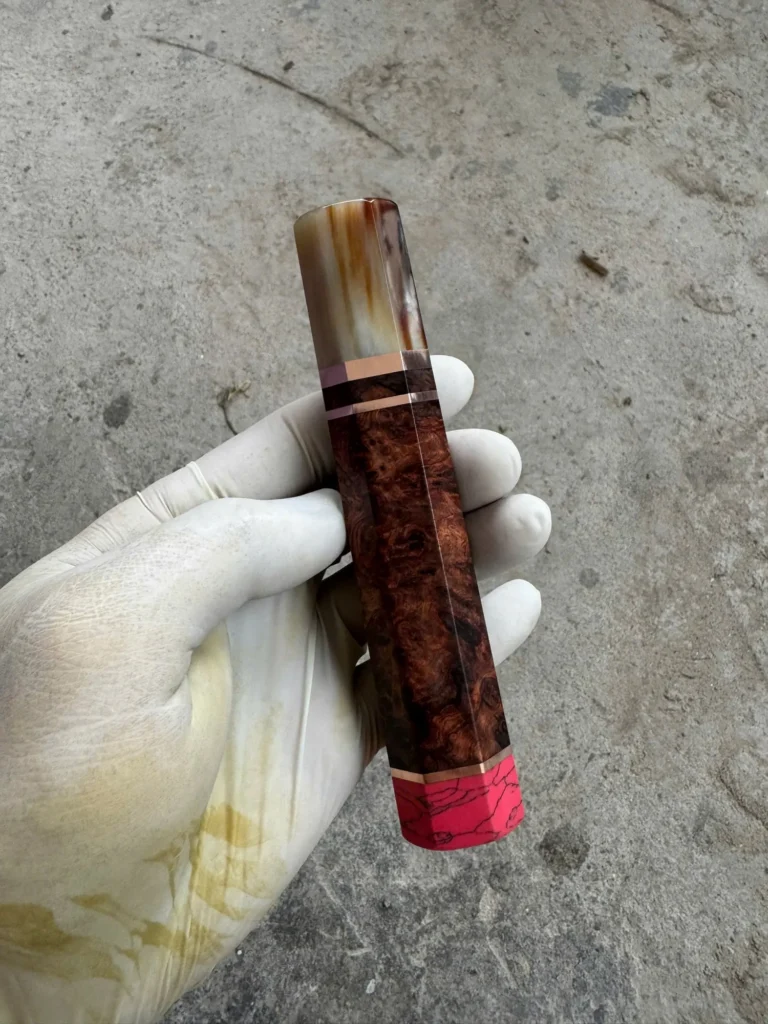
What do you give someone who owns Japanese knives when you do not know knives yourself? Give by category, matched
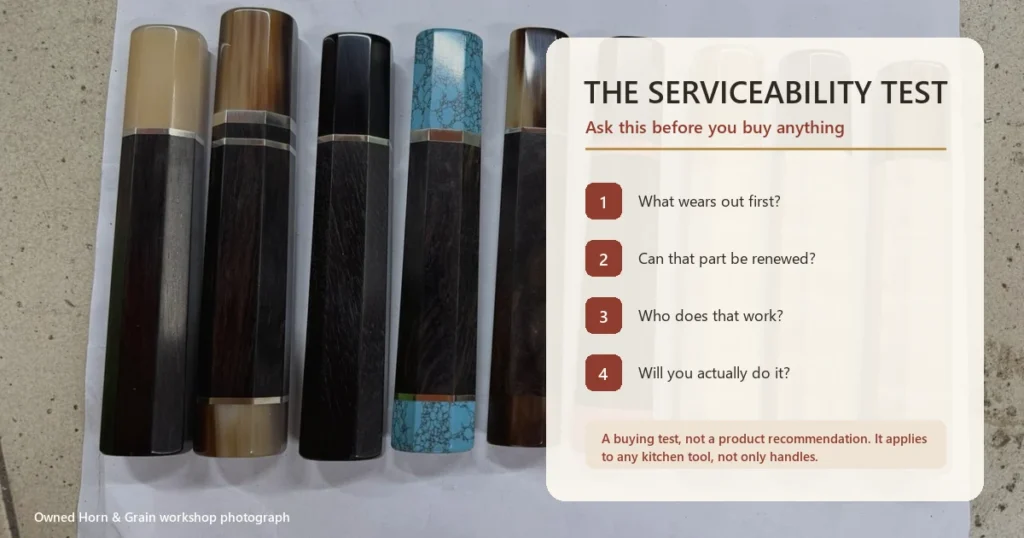
Which kitchen tools actually reward maintenance? The ones whose first-wearing part can be renewed without discarding the rest—and whose owner
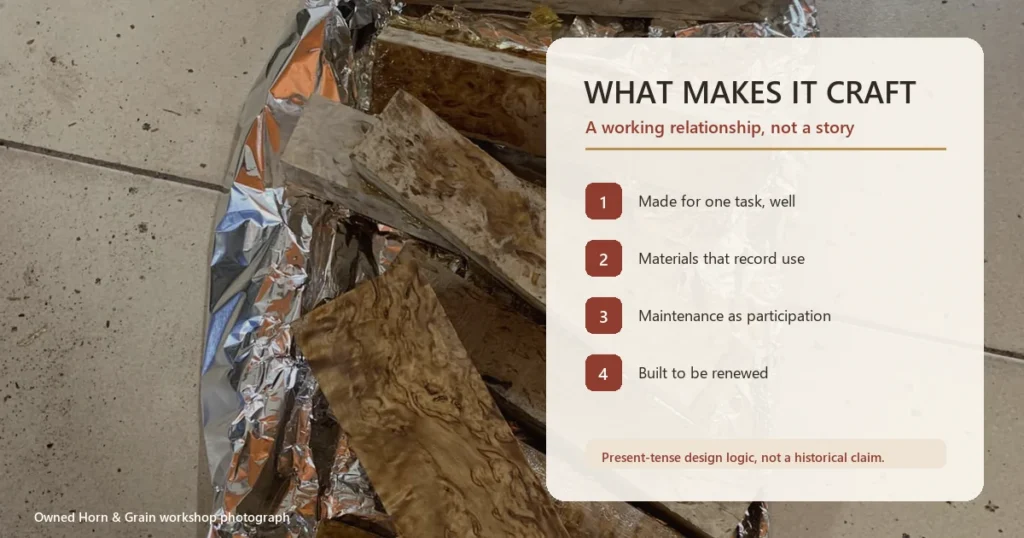
What makes Japanese kitchen tools feel like craft objects rather than mere utensils? A working relationship. They are designed around
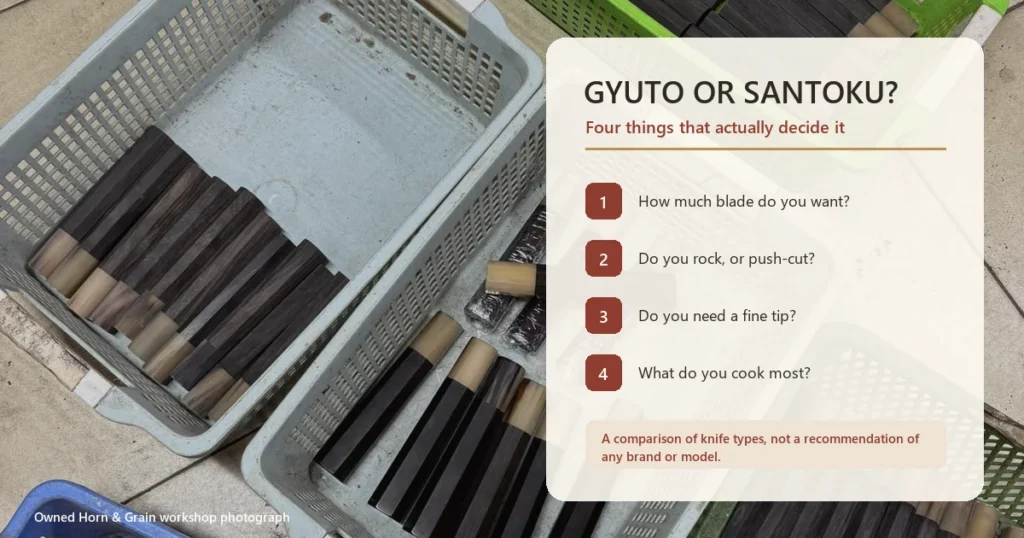
Gyuto or santoku—which should you actually reach for? The honest answer is that they overlap far more than knife marketing
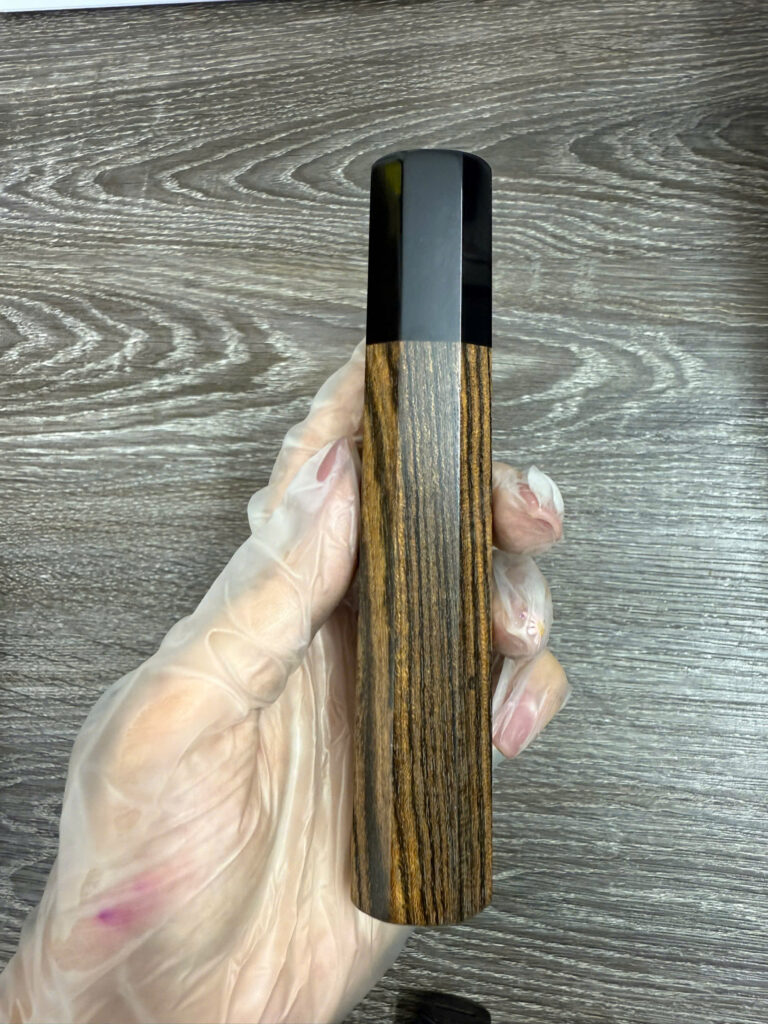
Living with zebrawood means living with contrast: a pale straw-yellow ground crossed by dark brown to near-black stripes. It is

Macassar ebony gives a wa handle the same hard, dense, bright-polishing character as jet-black ebony. What changes is what you
We use cookies for analytics and to measure our ads, so we can see how the site is used. Nothing is stored until you choose. Privacy policy