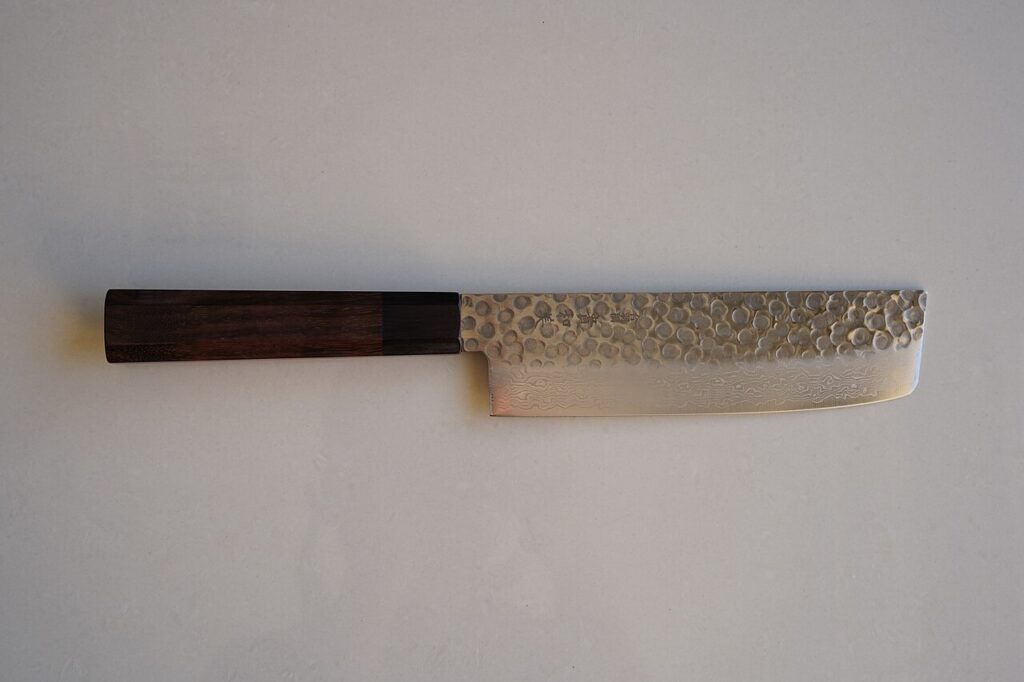
How to Use a Nakiri
A nakiri is a Japanese vegetable knife with a broad, straight edge. Use it for repeated, controlled board cuts: set
Guides, wood stories, and care notes for choosing and maintaining Japanese wa handles.
A nakiri is a Japanese vegetable knife with a broad, straight edge. Use it for repeated, controlled board cuts: set
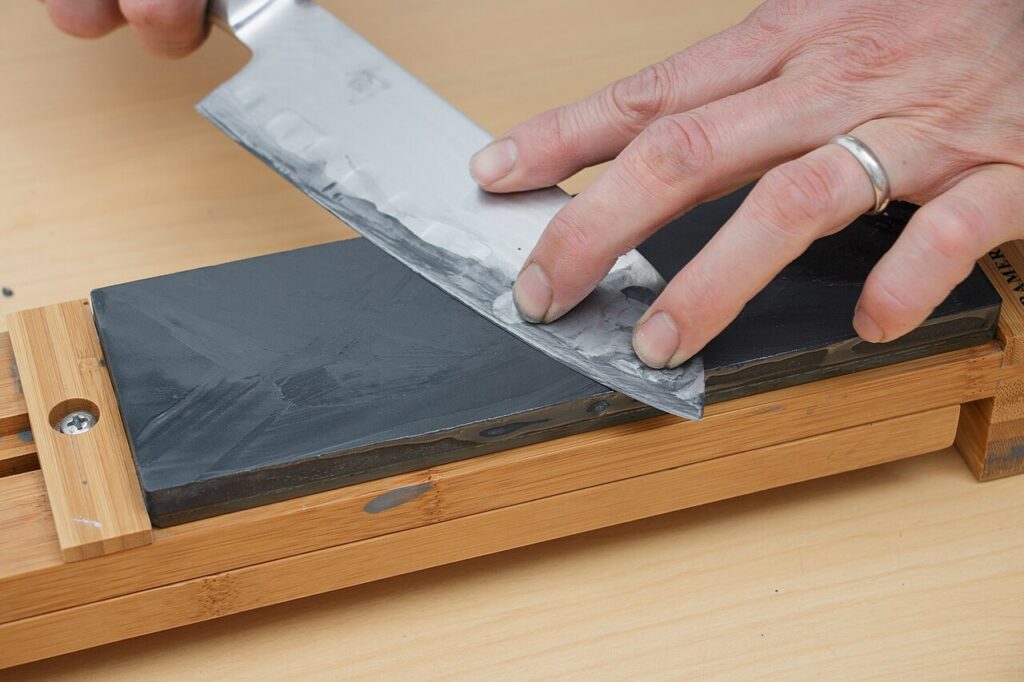
A medium whetstone can restore a normally dull, straight-edge double-bevel kitchen knife. Secure the stone, match its existing bevel, work
After cutting, wash the board with detergent, rinse it, and let it dry fully. If you used it for raw
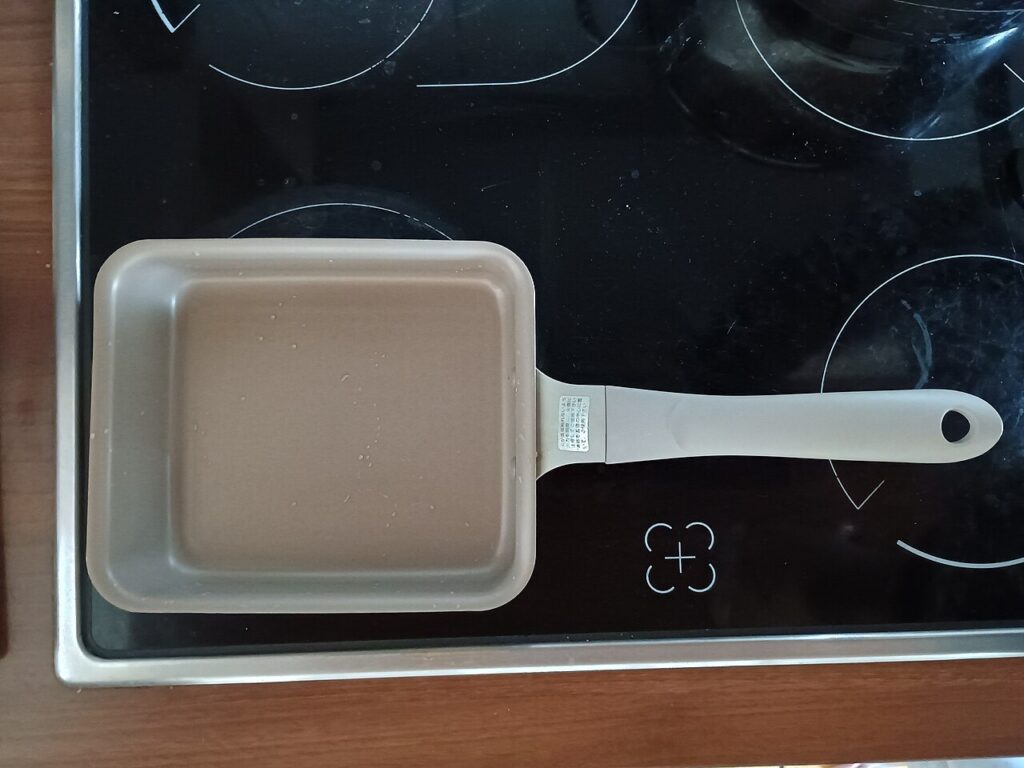
When egg catches in a tamagoyaki pan, identify the pan surface first. Coated pans and iron pans use different care
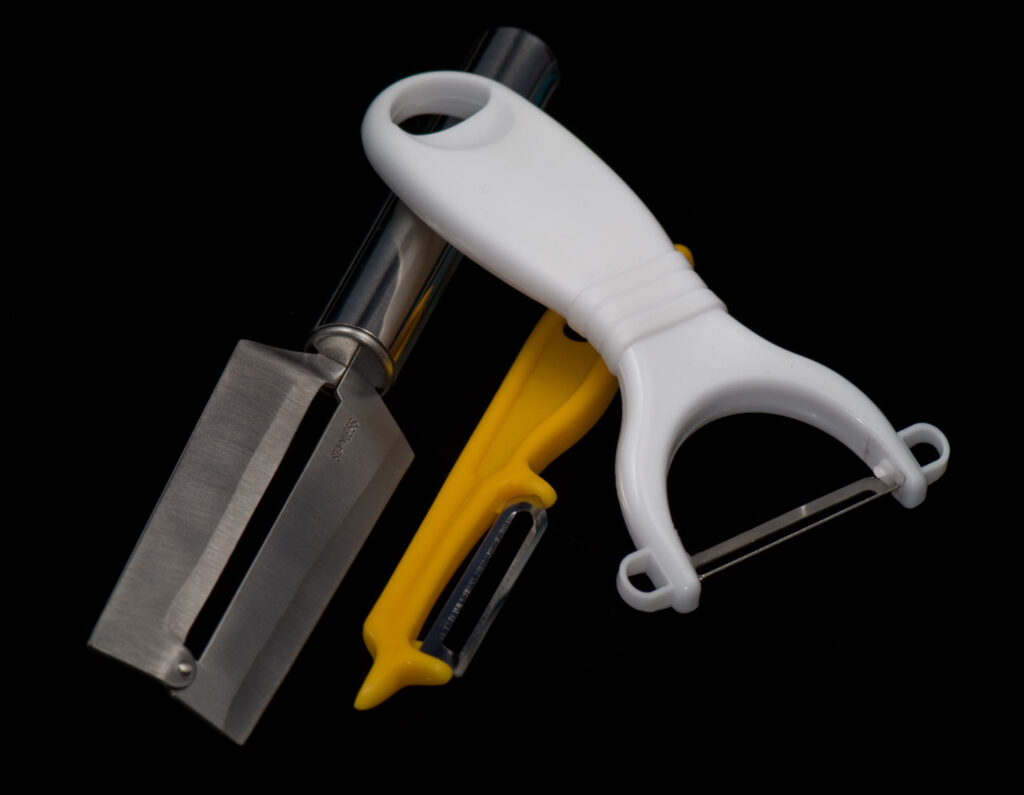
A Japanese vegetable peeler can mean several different tools. Start with the cut you want: ordinary peeling, a broad strip,
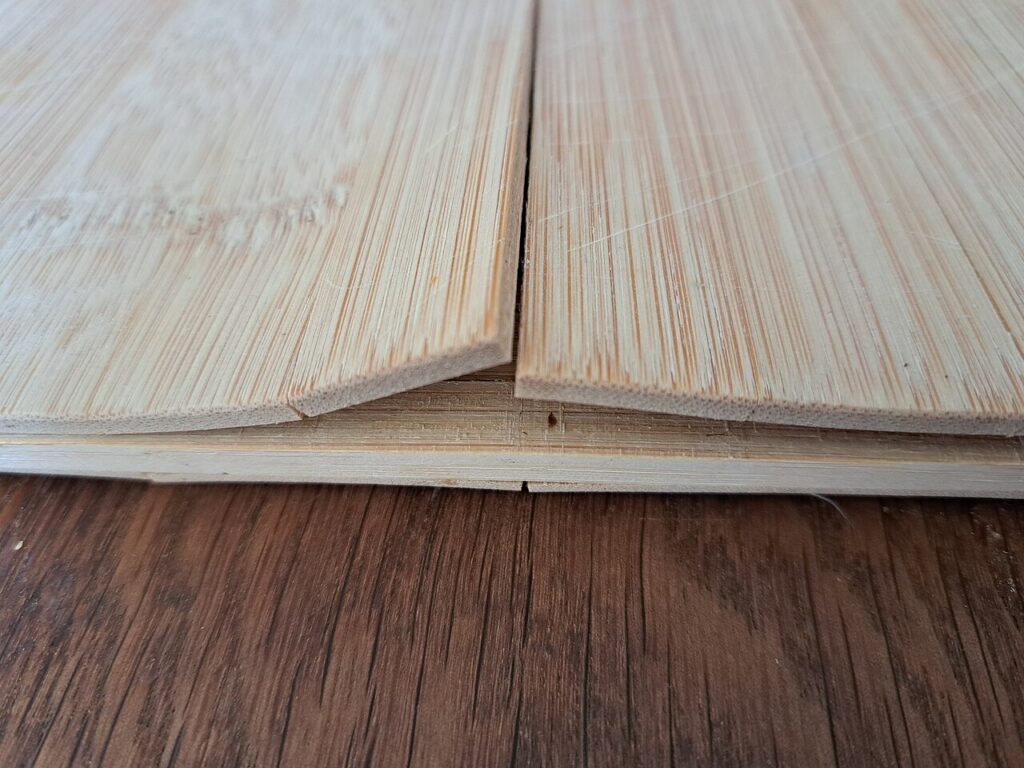
If a wooden cutting board rocks or slides while you work, stop cutting on it until it sits securely. First
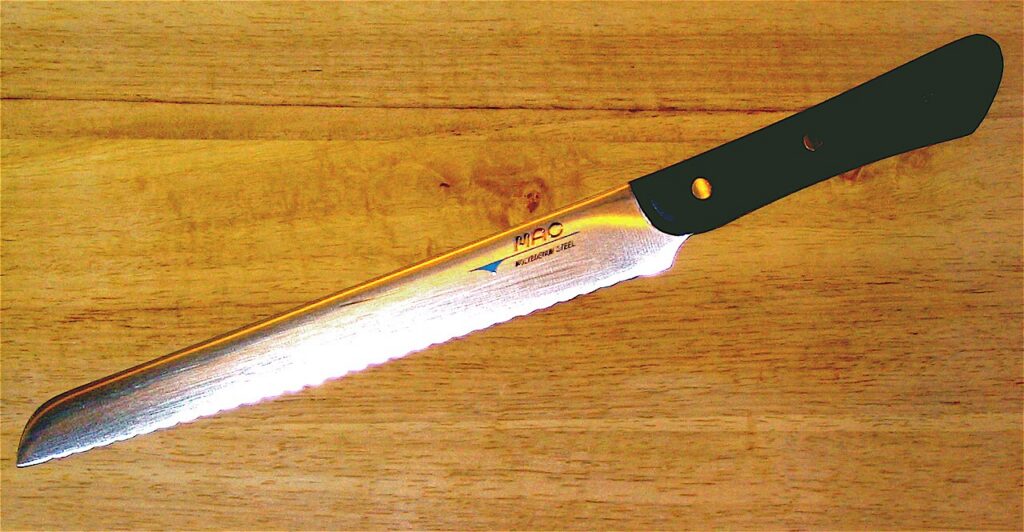
Some serrated bread knives can be sharpened with a tapered rod, but only when the maker allows it and the
First confirm that the sharpening service accepts your knife and your location. Complete its request before shipping, then follow its
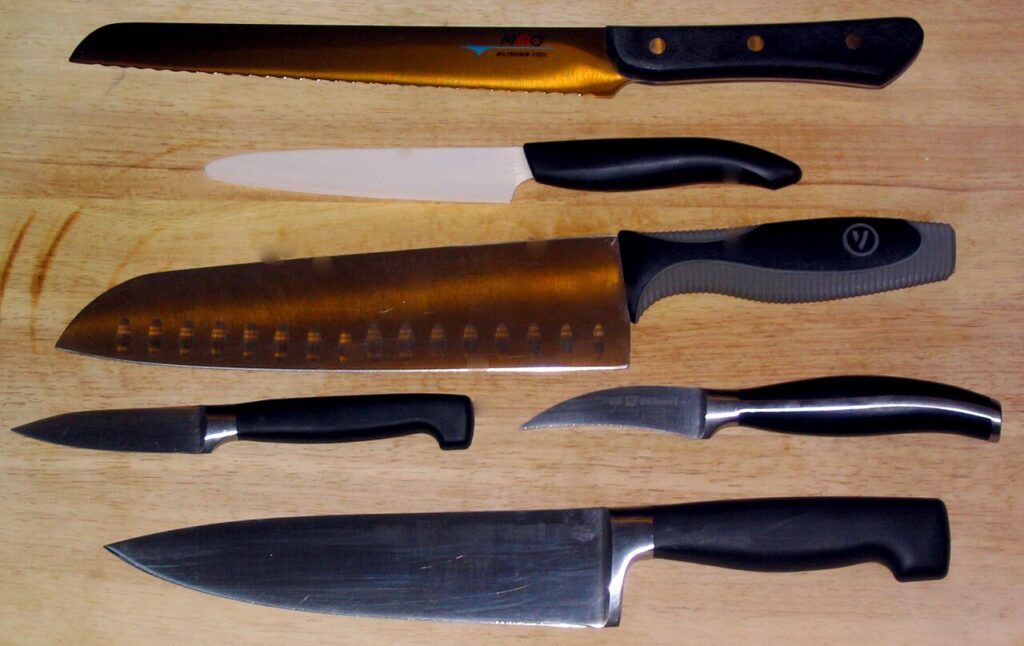
For a dull ceramic knife, use only the sharpener named for your exact knife. For a chip, check the maker’s
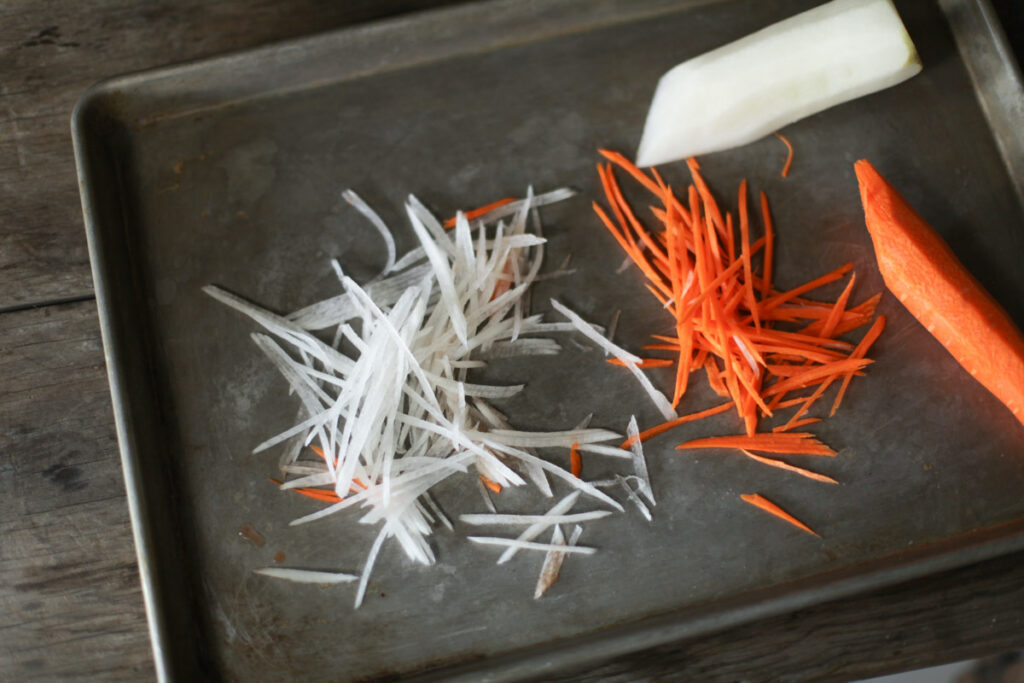
Start with four shape families: rounds and their fractions, narrow strips and flat rectangles, wedges, and angled chunks. These cover
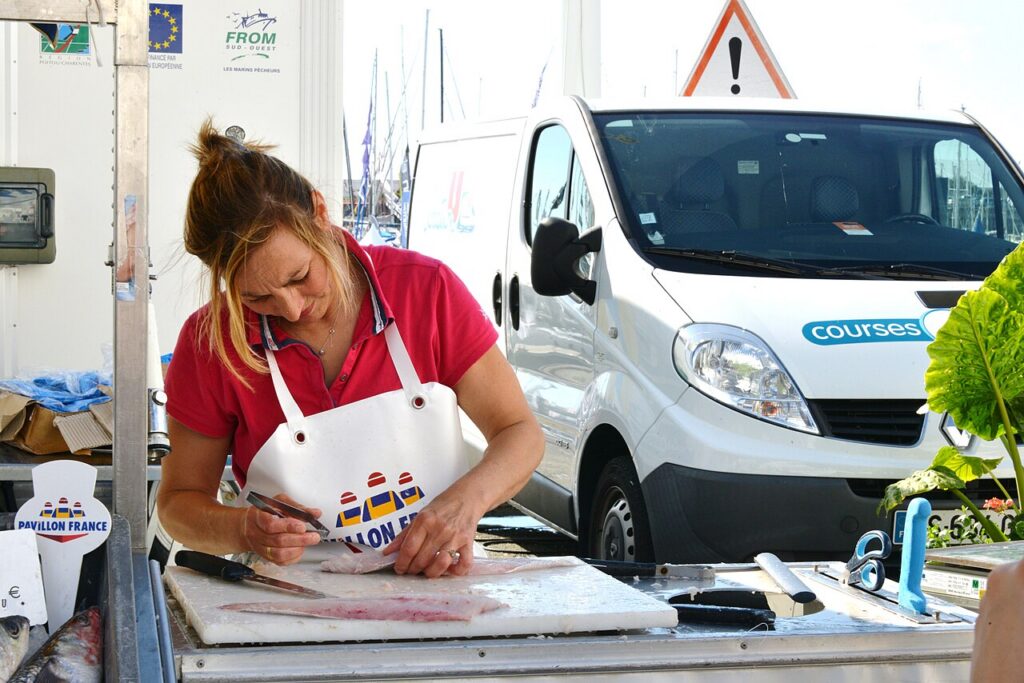
Fish bone tweezers help you grip the exposed tips of pin bones in a fillet. For salmon, locate the bones
A yattoko pot is a handleless cooking pot lifted with a separate pan gripper. Its attraction is compact storage and
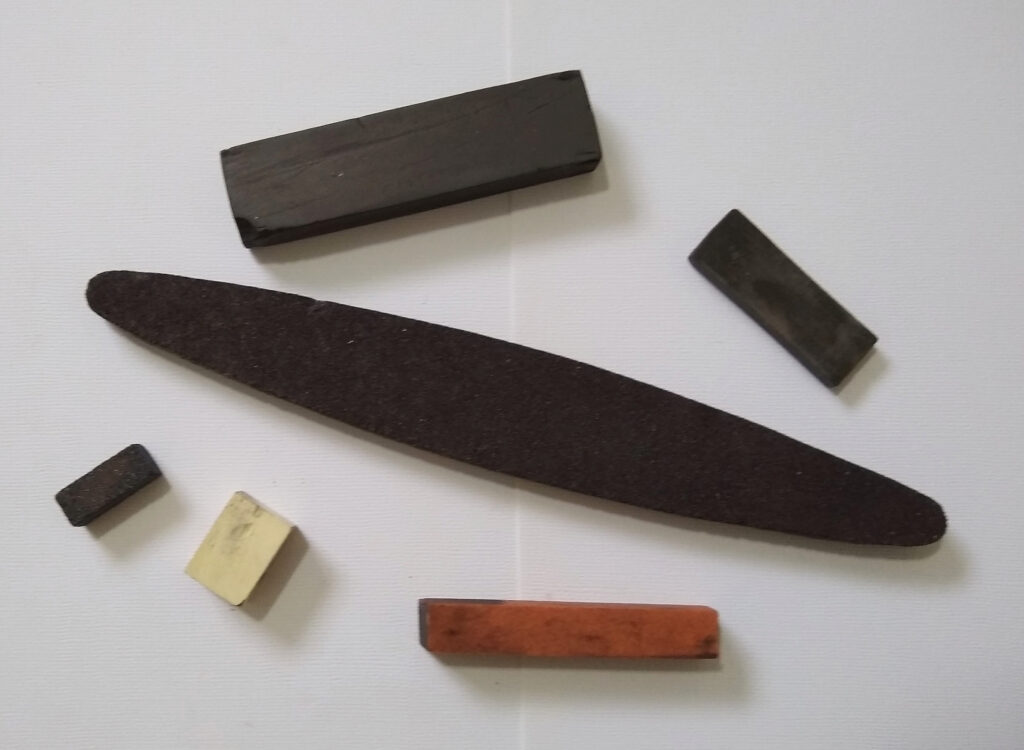
Rinse away sharpening residue, then dry and store the stone according to its maker and model. There is no reliable
Check the stone’s maker and model: soak rules differ by product family. SHAPTON’s FAQ says routine soaking is unnecessary; for
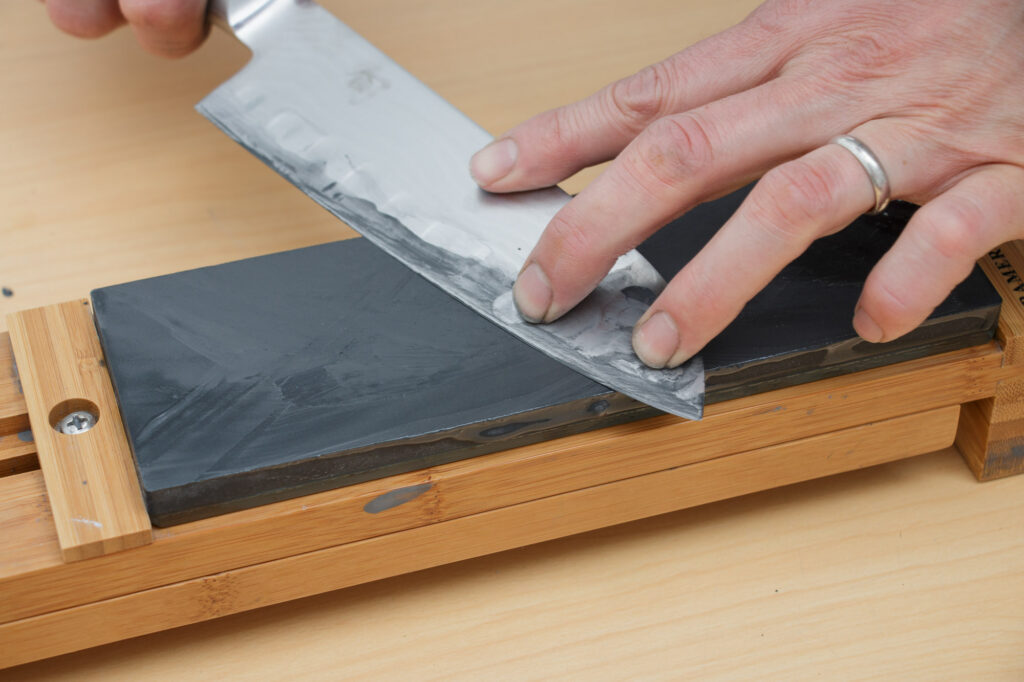
If a knife seems sharp just after sharpening but loses its bite quickly, a remaining burr or wire edge is
If you cannot detect a burr, first check whether the stone is reaching the very edge. More pressure is not
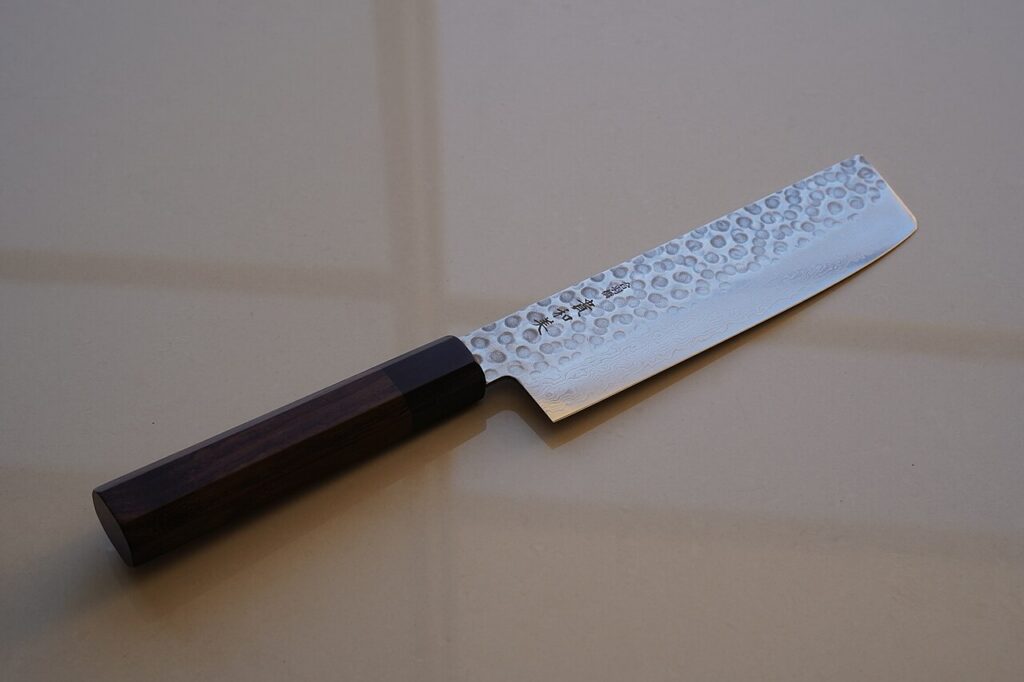
A knife that cuts to one side is not automatically bent or defective. The drift can come from the knife’s
Thin, moist slices can cling because a broad part of the blade face contacts the fresh cut surface. A slice
We use cookies for analytics and to measure our ads, so we can see how the site is used. Nothing is stored until you choose. Privacy policy