The finish board makers specify for a wooden cutting board is food-grade mineral oil, often followed by a cream of beeswax and food-grade oil. John Boos requires its own oil or a food-grade mineral oil and tops it with a beeswax board cream; TeakHaus pre-finishes its boards with mineral oil and beeswax. Both warn against cooking oils. “Food safe” is not one certificate: it means the product is made for contact with food and used as its label directs.
Finishes compared
| Finish | What it is | US food rules it relates to | What board makers say |
|---|---|---|---|
| Food-grade mineral oil | White mineral oil: refined liquid hydrocarbons from petroleum | 21 CFR 172.878 sets its specification; 21 CFR 178.3620 allows it in articles that contact food | Specified by John Boos and TeakHaus |
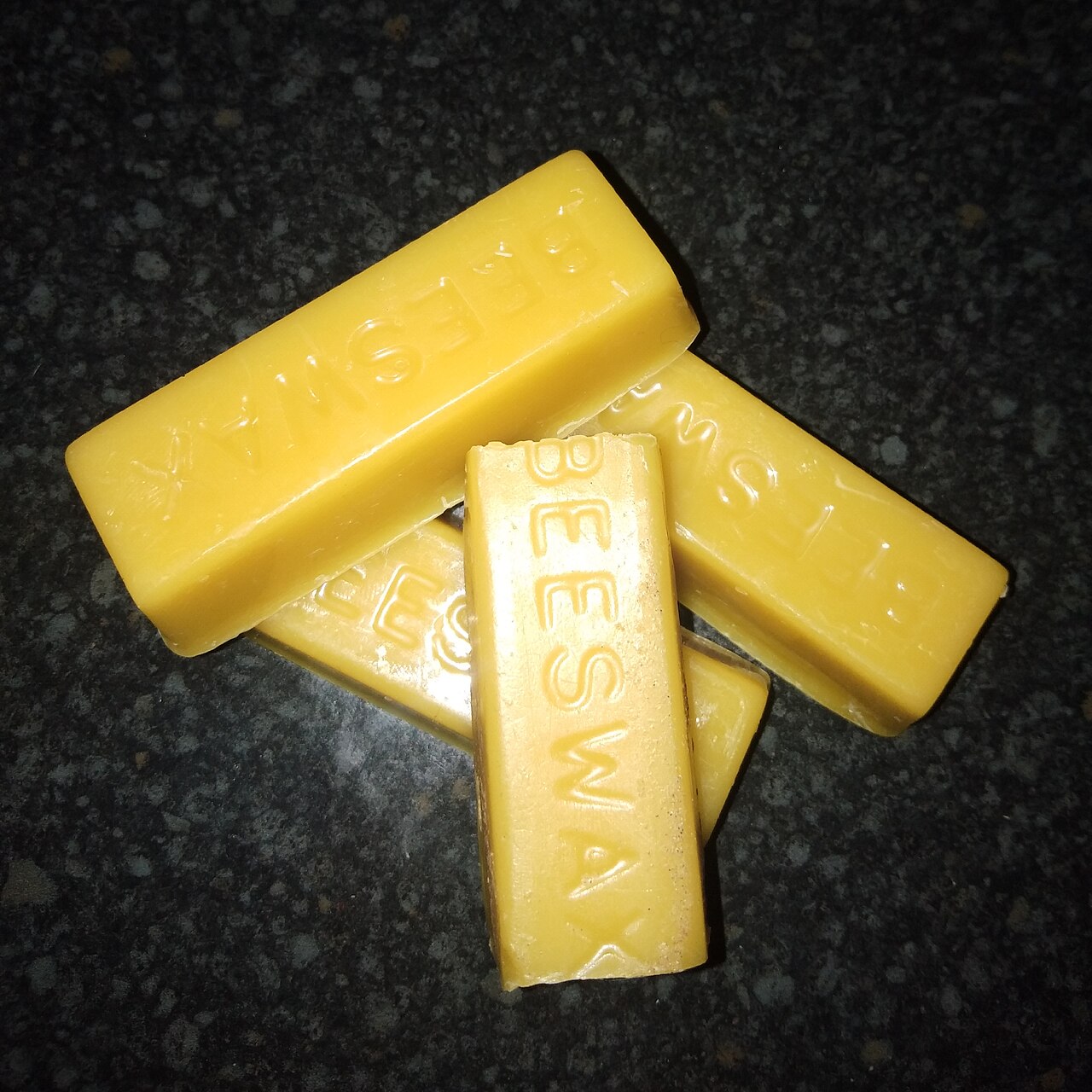
| Beeswax and oil board cream | Beeswax blended with food-grade oil | Beeswax is affirmed as generally recognized as safe (21 CFR 184.1973) | John Boos applies it after oil as a protective top layer |
| Carnauba wax blends | Hard wax from the leaves of the Brazilian wax palm | Affirmed as generally recognized as safe (21 CFR 184.1978) | Not covered by the makers above; follow the product label |
| Cooking oils (olive, vegetable) | Kitchen oils | Food, but not sold as a board finish | John Boos: do not use; TeakHaus: can turn rancid |
| Hard film finishes | Coatings that cure into a continuous film | 21 CFR 175.300 covers resinous and polymeric coatings for food-contact surfaces | Not what these makers specify for a cutting surface |
Oil first, then wax
John Boos describes the two jobs clearly. Its oil penetrates deeply into the wood fibres; its board cream, made with unbleached beeswax and food-grade oil, is denser and gives a protective top layer that helps keep water out and oil in. It recommends oil first, left to soak in overnight, then the cream, with excess wiped off. Re-oil when the board looks dry and lighter in colour. TeakHaus ships its boards already finished with mineral oil and beeswax and recommends mineral oil or its own board oil afterwards.
The step-by-step method, including when to wipe away the excess, is in our guide on how to oil a wooden cutting board.
Coconut, tung and linseed oil: where they fit
Board makers do not agree about coconut oil. Totally Bamboo says you can use coconut oil as a substitute for mineral oil on its bamboo boards. John Boos says not to use any type of cooking oil on its wood boards, and a jar of coconut oil from the pantry is a cooking oil. Follow the maker of the board you own.
Fractionated coconut oil is sold as a different product from the solid oil in the pantry. Caron & Doucet describes its board oil as refined coconut oil with the long-chain fatty acids removed, which it says keeps the oil liquid and stops it going rancid like common cooking oils. Walrus Oil’s Cutting Board Oil blends fractionated coconut oil with mineral oil, beeswax and vitamin E. If you choose a coconut-based oil, use one sold for cutting boards and apply it as its label directs.
Tung and linseed oil are a different case. 21 CFR 175.300, the FDA rule for resinous and polymeric food-contact coatings, lists tung (as chinawood) and linseed among the drying oils such a coating may contain. That is a different job from the mineral oil John Boos and TeakHaus specify for a cutting surface, and neither maker calls for tung or linseed oil. If a finish says it is food safe once cured, wait for its stated cure time before food touches the board.
Reading a label
A familiar oil name is not a specification. Look for a product sold for cutting boards or food-contact wood, and for mineral oil described as food grade or white mineral oil. If a hard finish says it complies with 21 CFR 175.300, that is the FDA rule for resinous and polymeric coatings used as food-contact surfaces; follow its stated cure time before food touches it. Cooking oils are the common mistake: John Boos says in capitals not to use any type of cooking oil on its boards, and TeakHaus warns that cooking oils can turn rancid and create unpleasant odors.
What this means for your knife and handle
Board oil and blade oil solve different problems. For the blade, our comparison of camellia oil and mineral oil for a knife covers storage and rust. A wooden knife handle is a third case, finished for the hand rather than for a cutting surface: our guide to how often to oil a wa handle and the wa handle care guide explain what each wood needs. If you are choosing a new handle, the wa handle wood guide compares how different woods behave in a wet kitchen.
Sources: John Boos FAQ (mineral oil required; board cream ingredients and purpose; no cooking oil; re-oil when dry); TeakHaus FAQ and care guide (mineral oil and beeswax pre-finish; cooking oils turn rancid); 21 CFR 172.878 and 21 CFR 178.3620 (white mineral oil); 21 CFR 184.1973 (beeswax); 21 CFR 184.1978 (carnauba wax); 21 CFR 175.300 (resinous and polymeric coatings).