To cut a lemon or lime into wedges for squeezing, trim both ends, halve the fruit from end to end and cut each half into three wedges. Then slice the strip of white pith off the inner edge of every wedge; most of the seeds come away with it. For drinks, cut thin crosswise wheels, or take a strip of peel for a twist. If the recipe also wants zest, grate it before the knife goes in.
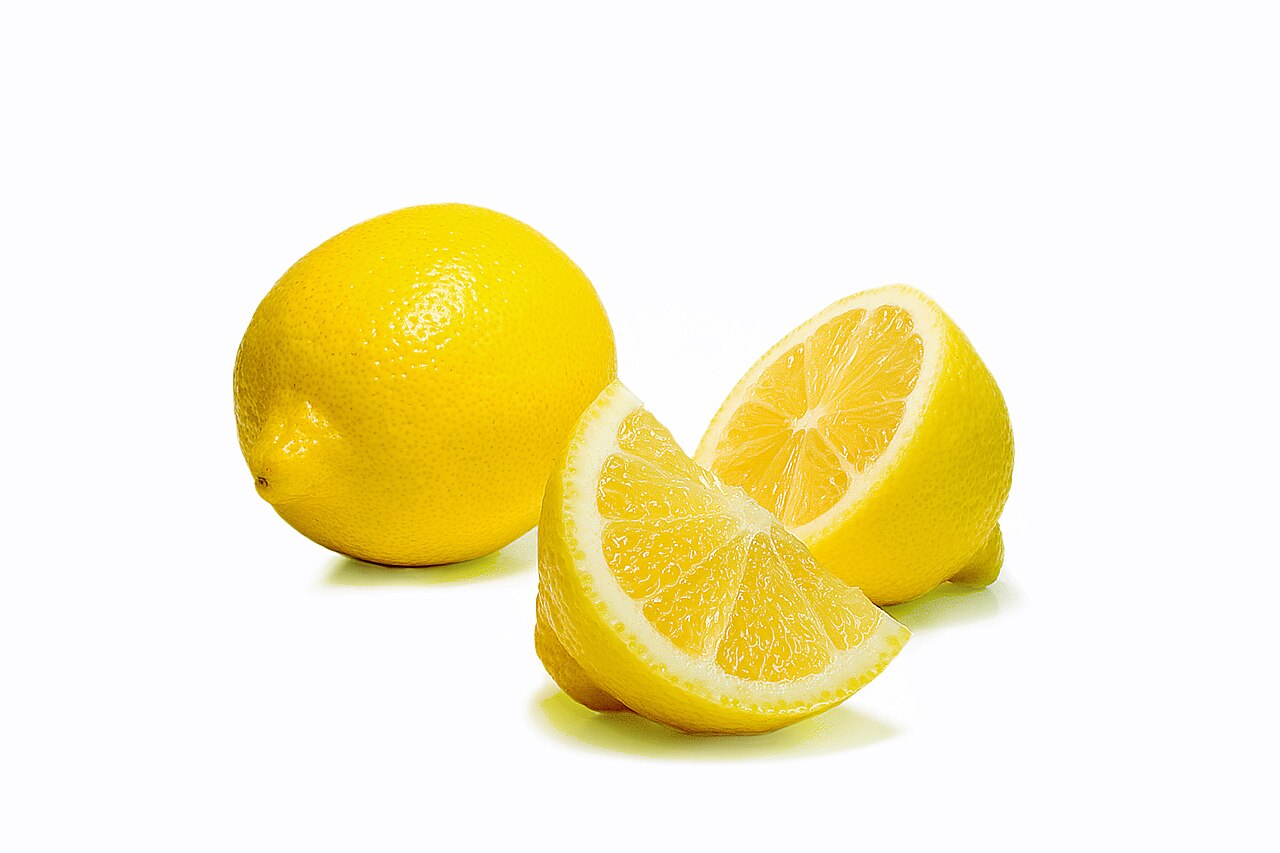
This guide covers the cuts you squeeze or garnish with. For membrane-free segments, follow the supreme method in our orange guide; it works on any citrus.
Before the knife: rinse, then zest
Hold the fruit under plain running water, rub the peel, then dry it. The FDA advises rinsing produce before you peel or cut it, so the knife does not carry dirt and bacteria from the surface into the flesh, and says soap or a produce wash is not needed.
Zest comes next, while the fruit is still whole and firm. Texas A&M AgriLife’s Dinner Tonight team says to grate a lemon before you cut it whenever the whole fruit is going into a recipe, and to take only the colored skin: grating into the white pith makes zest bitter.
Wedges for squeezing
- Trim the ends. Lay the lemon on its side and slice about a quarter inch off each pointed end, as Food.com’s bar-garnish guide does.
- Halve it lengthwise. Cut through the fruit from one trimmed end to the other.
- Cut wedges. Put each half cut side down and slice it lengthwise into three wedges, angling the knife toward the center line. For smaller portions, Blue Apron halves each wedge again.
- Take off the center rib. Stand each wedge on its peel and slice away the thin ridge of white pith along the inner point. Blue Apron notes that this removes most of the seeds; lift out any that remain with the tip of the knife.
Wheels and half-wheels
Wheels are mostly for looks, so they can be thin. Halve the fruit across its middle, then make a cut parallel to the first one; Food.com suggests 1/8 to 1/4 inch (3 to 6 mm) in from the cut face. To hang a wheel on the rim of a glass, make one cut from its center out through the peel and slide it on. Stack a few wheels and halve them for half-moons. Flick out seeds with the knife tip before serving.
Twists
A twist is a strip of peel, not a slice of fruit. With a vegetable peeler or a small knife, take a piece about 1 inch wide and 3 inches long from the side of the fruit, the size Food.com gives for a rough twist. Keep the cut shallow so the strip is mostly colored skin; if a thick layer of pith comes with it, lay the strip skin side down and shave the pith off. Fold the strip over the glass so its oils spray onto the drink, then drop it in. A channel knife cuts the thin spiral version.
Peel with each stroke moving away from the hand that holds the fruit, and stop when the fruit gets slippery; dry it and your hands before the next strip.
Limes
Every cut above works on a lime, just smaller; cut a small lime half into two wedges instead of three. The common supermarket lime, the Tahiti or Persian lime, is normally seedless according to the University of California, Riverside Citrus Variety Collection, so on a lime the center trim is mostly about a neater wedge.
Storing cut citrus
Keep leftover wedges and wheels in a covered container in the refrigerator. The FDA’s guidance is to store perishable fresh fruit in a clean refrigerator at 40°F (about 4°C) or below.
Which knife, and why to wipe it
Lemon work is short cuts on a small board plus a little peeling, which suits a petty knife or a compact santoku better than a long gyuto. Our guide to what a petty knife is used for lists citrus peel and pith among its everyday jobs. A sharp edge matters here: a dull one tends to slide on the firm, slick peel instead of biting into it.
Citrus juice is acidic. If your knife is carbon steel, wipe the blade during the job and dry it when you finish; our carbon-steel patina guide explains how acidic foods mark the steel. In our wa handle size guide, a 105–155mm petty takes the Compact handle. More fruit, vegetable and herb guides are collected on our how to cut page.
Sources: FDA, 7 Tips for Cleaning Fruits, Vegetables (rinse before peeling or cutting, no soap, dry); Texas A&M AgriLife Extension, Dinner Tonight: How to Make Lemon Zest (grate before cutting, pith makes zest bitter); Blue Apron, How to Cut a Lemon Wedge the Right Way (end-to-end halves, three wedges, center rib and seeds); Food.com, How to Cut Perfect Cocktail Garnishes (trimmed ends, wheel thickness and rim cut, twist size); UC Riverside Citrus Variety Collection, Tahiti lime (normally seedless); FDA, Selecting and Serving Produce Safely (refrigerate at 40°F or below).