Plastic, glass and paper composite boards can usually go in the dishwasher when their maker says so; wooden and bamboo boards should be washed by hand. USDA’s food-safety guidance is broader than the makers: it says nonporous boards and solid wood boards can be machine-washed, and that laminated boards may crack and split. But John Boos and TeakHaus tell owners to keep their wooden boards out of the dishwasher, Totally Bamboo says the same for its bamboo series, and a maker’s care instructions are what decide the warranty.
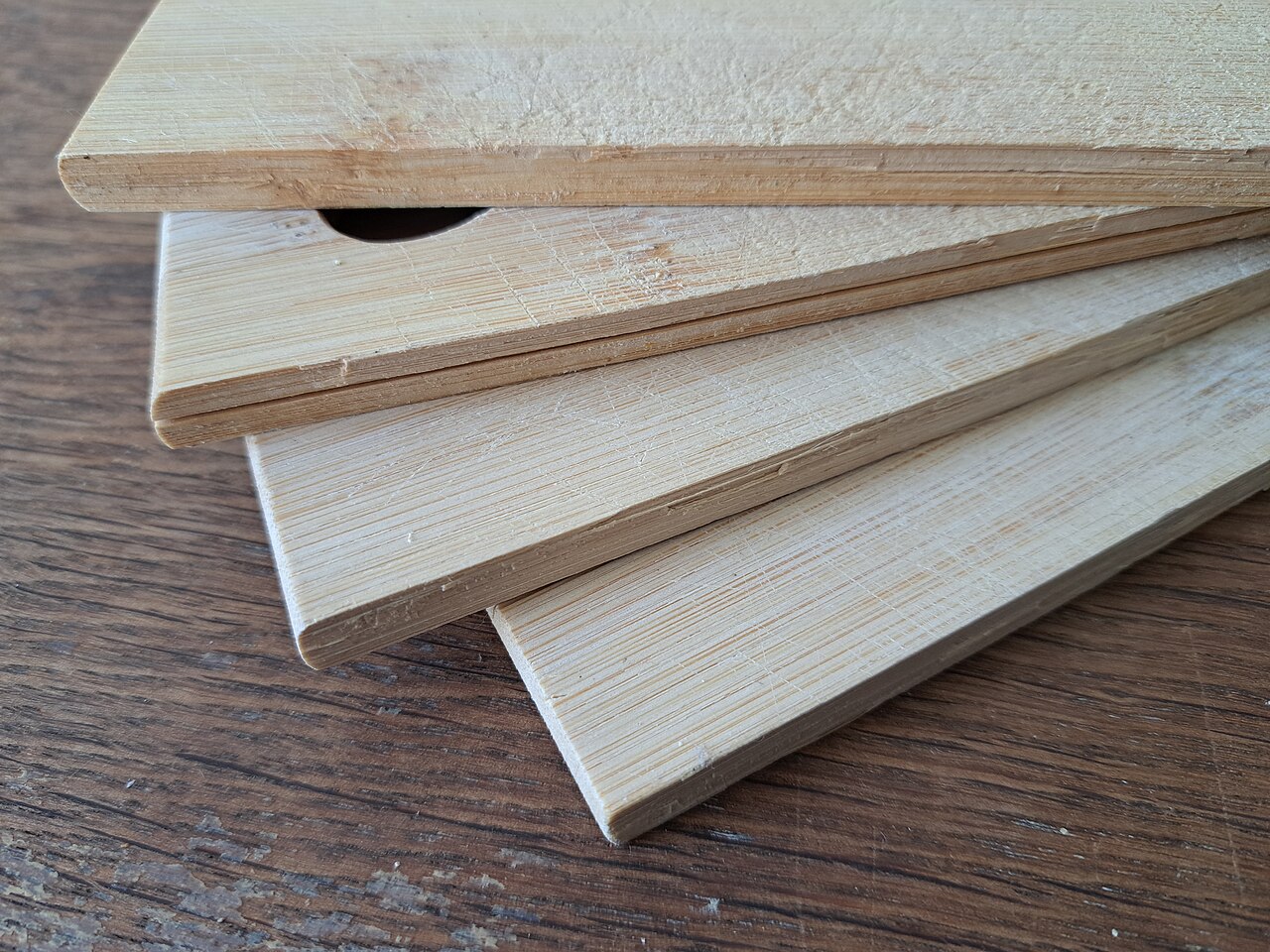
Dishwasher by board material
| Board | Dishwasher? | Who says so |
|---|---|---|
| Solid wood (maple, walnut, teak) | No, per the makers | John Boos: wood boards are not dishwasher safe. TeakHaus: never; dishwasher heat, detergent and water exposure cause warping, cracking and splitting |
| Bamboo | Usually no; check the series | Totally Bamboo’s care page advises against soaking or dishwasher washing for its bamboo series, and sells a separate line it labels dishwasher safe |
| Paper composite | Yes, per the maker | Epicurean lists its boards as dishwasher safe |
| Plastic (polyethylene, polypropylene) | Usually; check the model | USDA lists plastic boards as dishwasher washable; OXO lists its polypropylene carving board as dishwasher safe |
| Synthetic rubber | Depends on the line | Hasegawa lists Pro-Soft as dishwasher safe; Asahi says its household boards are not |
| Glass | Yes, per USDA | USDA lists glass among dishwasher-washable boards; glass is hard on knives |
Why USDA and the wood makers disagree
They are answering different questions. USDA’s Meat and Poultry Hotline is talking about getting a board clean: wash with hot soapy water, rinse, air dry or pat dry, and sanitize if you wish with 1 tablespoon of unscented liquid chlorine bleach per gallon of water. Board makers are talking about keeping the board intact. John Boos warns that soaking or submerging a board disrupts its moisture content and can split the rails, and TeakHaus says dishwasher damage from warping is usually permanent. Both can be true: a dishwasher can clean a wooden board and still shorten its life. USDA itself flags the weak point, saying laminated boards may crack and split.
If a wooden board went through the dishwasher
Let it dry fully on edge, then look along it for warping and at the glue lines for gaps or cracks. TeakHaus says small surface cracks can sometimes be repaired but cracks that run through a board mean retiring it. A board that has dried out will look pale; re-oil it as in our guide on how to oil a wooden cutting board. If it no longer sits flat, read how to fix a warped wooden cutting board.
Machine-washing a board the right way
Check the exact model’s instructions, not the material name: “heat resistant” is not the same as dishwasher safe, as Asahi’s guidance shows. Measure the rack so the board does not block the spray arm, and let it dry completely before you store it. For rubber boards, our rubber cutting board cleaning guide follows Hasegawa’s and Asahi’s own care sheets.
What this means for your board and knife
If machine washing matters, keep a dishwasher-safe board for raw meat and a wooden board, hand-washed, for everything else; our raw meat board guide explains the split. Your knife has the same rule in reverse: most fine kitchen knives should be hand-washed, as can kitchen knives go in the dishwasher? explains, and a wooden wa handle should never go in one; see the wa handle care guide.
Sources: USDA FSIS, Cutting Boards and Food Safety (archived copy: dishwasher, laminated boards, bleach solution); University of Wisconsin-Madison Extension, How safe is your cutting board?; John Boos FAQ; TeakHaus care guide; Totally Bamboo, Cleaning & Care; Epicurean, cleaning; Hasegawa and Asahi care information as cited in our Hasegawa vs Asahi comparison; OXO listing as cited in our carving board guide.