For a fine kitchen knife, we would start with a suitable wooden board recommended by the knife maker rather than choose bamboo simply because it is hard and durable. Bamboo can be a serviceable food-preparation material, but resistance to visible scratching and kindness to a knife edge are different priorities.
The comparison also needs a more precise meaning for “wood.” Maple, walnut and hinoki boards do not feel or behave identically, and construction changes the product too. Choose between actual boards that fit your kitchen, not two material labels in isolation. For a focused comparison, see compare real maple and walnut board listings. For a focused model-by-model comparison of acacia construction, dimensions and care, see our acacia cutting-board guide.
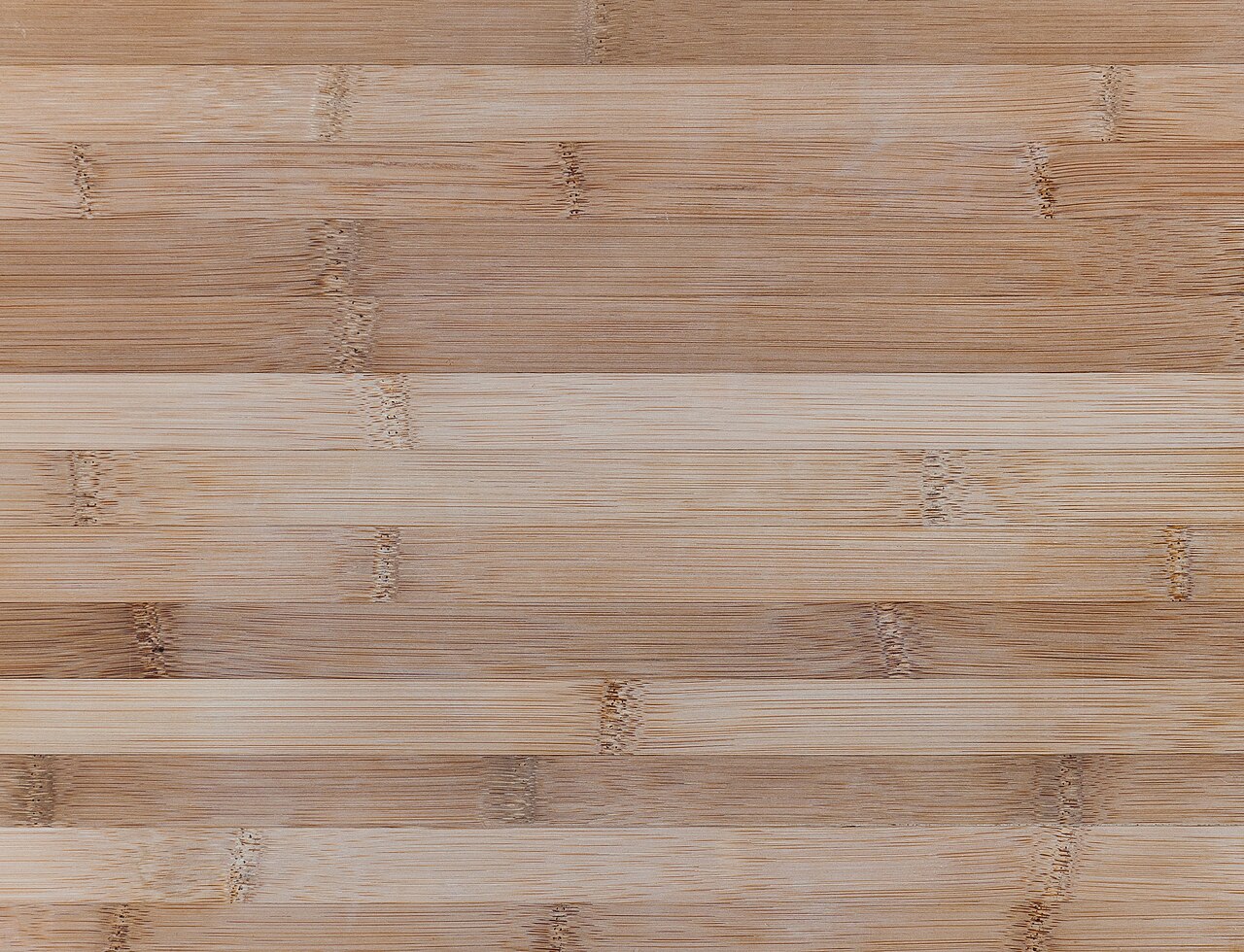
Why a hard-wearing surface can be the wrong priority
A board is allowed to show normal knife marks. Its job includes providing a suitable surface for repeated cutting, not remaining visually untouched forever. A material advertised as highly resistant to scratching therefore needs a second question: is it also recommended for the knife you own?
WÜSTHOF’s care guidance explicitly includes bamboo among the hard surfaces it advises avoiding. The USDA describes bamboo as harder and less porous than hardwoods in its food-safety discussion. The two sources address different priorities, which is why a positive hygiene or durability description is not automatically an edge-care recommendation.
That does not establish a precise wear rate for every bamboo board or mean that every wooden board is gentle. It does make the knife maker’s advice a sensible first filter when protecting a fine edge is important to you.
Look at the construction, not just the species
Inspect the board’s surface and edges. Are joints tight? Is the working face flat? Can you see damage, lifting sections or a finish whose food-preparation use is unclear? A well-labelled material does not make a poorly made or damaged board a good purchase.
For wood, grain orientation is another choice. End-grain and edge-grain constructions have their own practical differences, covered in our general cutting-board guide. Keep that question separate from bamboo versus wood so that you do not attribute every difference between two products to the raw material.
Thickness and size change daily handling as well. A large wooden block may stay securely on the counter but be cumbersome to wash. A thin board may be easier to move yet need closer attention to flatness and support. Compare those features on the actual products you are considering.
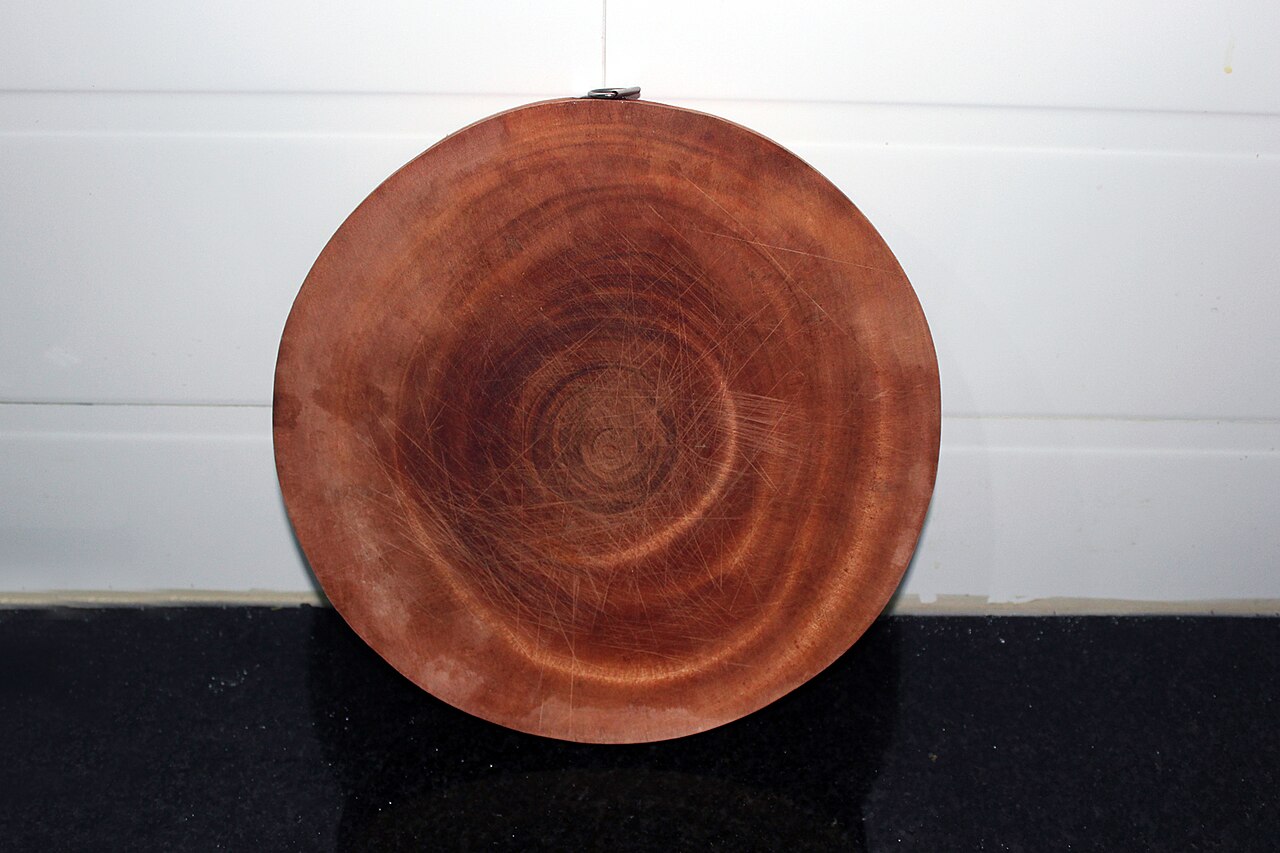
Cleaning matters whichever board you choose
Neither material replaces ordinary food hygiene. Clean the board after use, keep raw animal-food preparation separate from food that will be eaten without further cooking, and allow the board to dry properly. USDA recommends replacing a board when deep grooves prevent effective cleaning. For a practical board and workflow choice, see our guide to choosing a cutting board for raw meat.
Check the maker’s washing instructions. A claim that a material absorbs relatively little water is not permission to soak a glued board or put it through a dishwasher. The whole product has to tolerate the washing method, including its joints and finish.
Do not buy bamboo on the assumption that it never needs care, or wood on the assumption that it cleans itself. The meaningful comparison is whether you can follow each product’s cleaning and drying routine in your kitchen.
Oiling is a product instruction, not a universal ritual
Some bamboo and wooden boards are intended to receive periodic conditioning; others have finishes that call for different treatment. Read the supplied instructions before the first application. A board arriving ready for use need not be flooded with oil just because it is new.
For mineral-oiled wooden boards, John Boos’s care guidance is an example of a complete cleaning, drying and conditioning routine. Its recommendations apply to its boards; they are not a reason to coat every board with whatever cooking oil is nearby.
If yours is designed to be oiled, use an appropriate food-contact product and remove excess after the specified interval. The oiling guide explains the sequence. It also separates conditioning from sanitizing and from repairing structural damage.
Three buying situations
If you are buying a board for a new, fine-edged knife, choose a surface that its maker recommends. A compatible wooden board with manageable dimensions is a stronger starting point than the hardest board you can find.
If you already own a flat, intact bamboo board, first read your knife’s surface guidance. Where bamboo is discouraged, move that knife to a compatible board; you may retain the bamboo product for another maker-approved role. You do not need to invent evidence that all previous cuts have damaged your knife to make a better choice now.
If you want to avoid hand-washing or periodic conditioning entirely, compare suitable synthetic boards instead of expecting either bamboo or wood to behave like an indestructible tray. Verify the exact product’s dishwasher allowance and whether it fits the machine.
Check the size before the material debate gets expensive
Make a paper outline of each candidate and place it where you cook. Picture the ingredient, a clear cutting area and a bowl for the finished food. Then check the sink, drying space and storage slot. Our board-size worksheet makes those measurements explicit.
A board that suits the knife but never comes out because it is awkward to handle is not solving the problem. Choose compatible material, sound construction and a size you will wash and dry willingly. That combination is more useful than a single claim about hardness, sustainability or how few marks the board shows.