Yes: glass, marble, granite and other stone boards are hard on knife edges, and knife makers say so plainly. Shun lists tile, ceramic, marble, granite and any kind of glass among cutting boards that are not recommended because they can be very hard on knives. Global tells owners not to cut on a marble, stone, tile or glass surface, and Kyocera lists glass, marble, granite, tile and stone as surfaces to avoid. Keep a glass or stone slab for serving or as a resting surface, and do the cutting on wood or a purpose-made synthetic board.
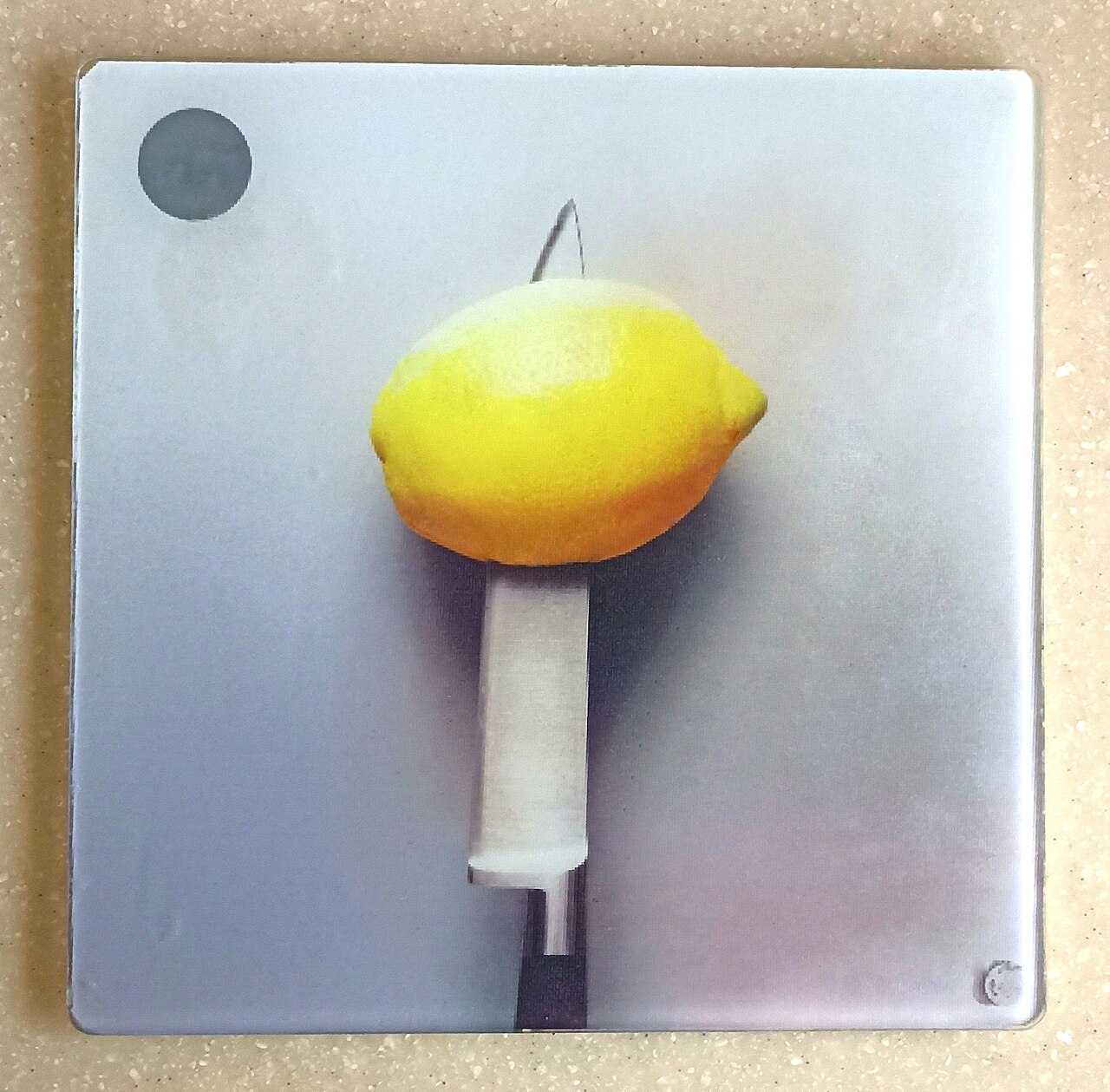
Why a hard board dulls the edge
Every cut ends with the edge meeting the board. On a surface that does not yield, the thin apex of the edge takes that contact instead. America’s Test Kitchen describes glass as too hard for most knives to withstand and says its reviewers use a glass cutting board to dull new chef’s knives on purpose when they test honing rods. Kyocera warns that hard surfaces can cause premature dulling and microscopic edge damage.
A glass board can also look unmarked for years. That is not a sign that it is gentle; the knife edge is the part that is wearing. Messermeister adds a handling problem: glass is slippery, especially when wet, which makes the food and the board harder to control.
Glass, marble and stone compared with wood
| Surface | What knife makers say | Better use in the kitchen |
|---|---|---|
| Tempered glass | Not recommended for cutting (Shun, Global, Kyocera) | Serving, a trivet or a resting surface |
| Marble | Not recommended (Shun, Global, Kyocera) | Serving or presentation |
| Granite and other stone | Not recommended (Shun, Kai, Kyocera); Messermeister also warns against cutting on stone worktops | A worktop to place a cutting board on |
| Ceramic or tile | Not recommended (Shun, Kai); Global and Kyocera also list tile | Not a cutting surface |
| Wood | Kai calls hinoki an excellent choice and harder woods such as maple or oak acceptable with proper technique | Everyday cutting |
| Plastic or bamboo | Listed among recommended surfaces by Kyocera | Everyday cutting; check your own knife maker’s list |
Is a glass board safer for food?
Food safety is not the problem. The USDA Food Safety and Inspection Service says consumers may choose wood or a nonporous surface such as plastic, marble, glass or pyroceramic, and notes that nonporous surfaces are easier to clean than wood. It also lists glass and plastic boards among those that can go in a dishwasher. So the case against glass and stone is about the knife and your grip on the food, not about hygiene. For the hygiene side of choosing a board, see our guide to what “non-toxic” and “safe” mean for a cutting board.
If you have been cutting on glass
Move the cutting to a wooden or synthetic board first; sharpening before you change the surface only repeats the problem. Then check the edge with the simple tests in how to check if a kitchen knife is sharp; if it has gone dull, our whetstone sharpening guide covers the steps. If you can see small nicks along the edge, read why Japanese knives chip before you choose how to repair it.
What this means for your knife and handle
For a hard, thin Japanese edge, the board is part of edge care. Our cutting-board materials guide for Japanese knives compares wood, rubber and plastic in more depth, and hinoki board care covers the softest common option. A good board also keeps the knife steady in the hand: if you are fitting a new handle to a favourite knife, the wa handle size guide shows how handle length is matched to the blade, and our handle configurator lets you choose the wood and shape.
Sources: Shun, Use & Care (surfaces not recommended); Global, knife care (do not cut on marble, stone, tile or glass); Kyocera, care and use guidelines (recommended and avoided surfaces; premature dulling); Kai, kitchen knife information (hinoki, maple and oak; inappropriate surfaces); America’s Test Kitchen, “Why You Should Never Use a Glass Cutting Board” (glass dulls knives; used to dull knives in testing); Messermeister, cutting surfaces (stone worktops; glass slippery when wet); USDA FSIS, Cutting Boards (wood or nonporous surfaces; dishwasher).