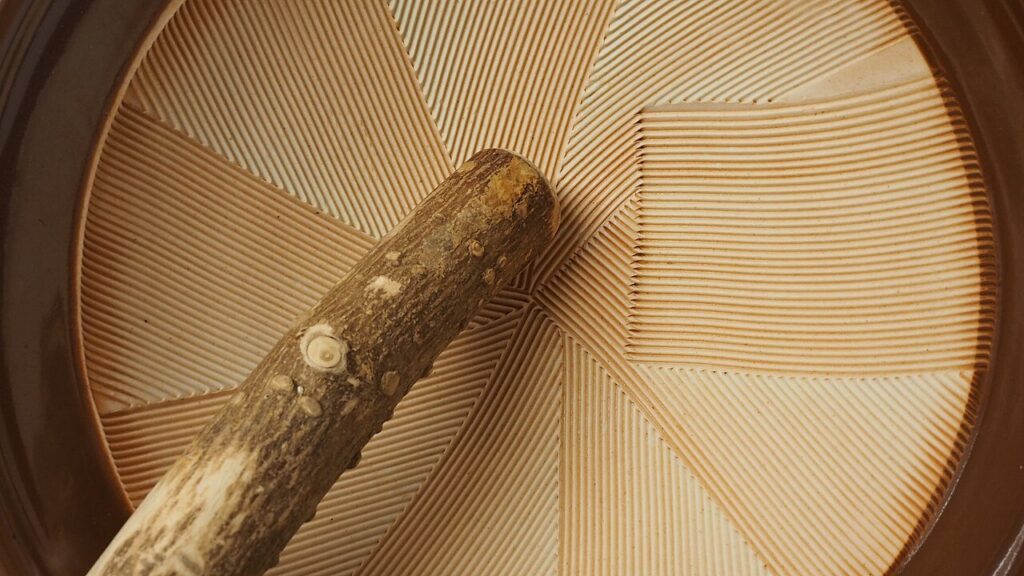
Start with the job and batch: for a small amount of dry spices, a sturdy granite mortar is a clear option; for a lighter, smooth porcelain vessel, compare its stated capacity and care; for sesame dressing or other grooved-bowl work, a suribachi is designed for that distinct method. If a spice mill or blender you already own handles the task, you do not need another tool.
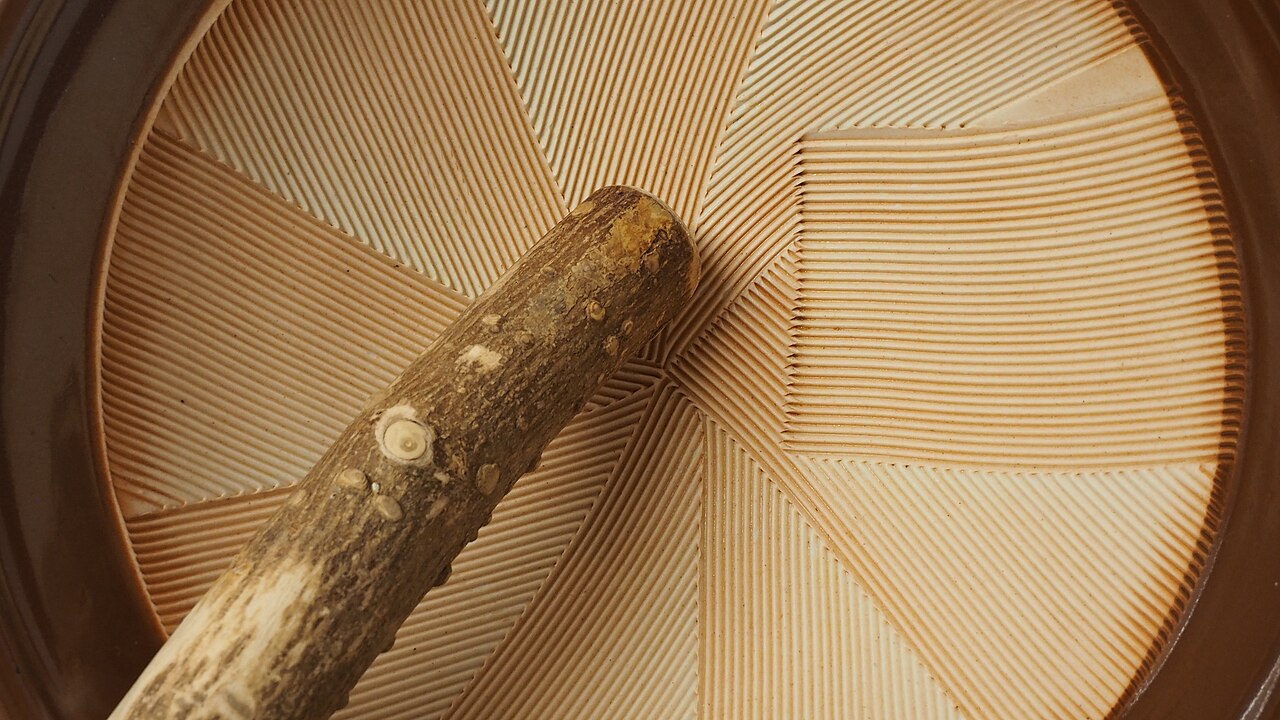
Match the bowl to the work
Whole seeds or dry spices: ZWILLING’s 15 cm granite set is listed for herbs, seeds and spices. Its listed weight is 2.83 kg, so note where you will store it and whether you are comfortable lifting it for washing.
Small portions and a smooth bowl: Norpro’s 1.5-cup porcelain mortar is listed for herbs, spices and nuts; the maker recommends hand-washing. Check its internal working room against your usual amount; outside dimensions are not the same as working capacity.
Sesame you will grind and mix: the suribachi’s interior ridges make it a different working surface. Kikkoman’s guide describes its use for sesame and several other ingredients; OUJIGAMA lists its own sizes. Use the suribachi guide for bowl size and the turning motion.
A small-batch example
If a recipe calls for freshly cracked pepper for one dish, put the recipe’s amount of whole peppercorns in the mortar and press, then turn the pestle until the pieces reach the coarse texture you want. Stop and check before grinding further. The recipe determines the amount; the mortar lets you adjust the texture by continuing or stopping. ZWILLING lists peppercorn crushing among the jobs for its granite model.
For a separate aromatic spice, empty the bowl and follow its maker’s cleaning instructions before using it again. If your goal is sesame dressing rather than dry pepper, the suribachi workflow is different: see the step-by-step guide.
Care follows the material and maker
ZWILLING’s granite-mortar instructions say to hand wash, rinse and dry its mortar, and not heat it. Norpro recommends hand washing for its 1.5-cup porcelain model. Check the selected product’s instructions before applying another material’s care routine.
Avoid sliding a heavy mortar across the counter. Lift it, and check whether the product’s feet or base suit the surface where you will work.
A simple buying check
Write down the ingredient, recipe amount, desired texture and cleanup you expect most often. Then compare inner diameter, depth, stated capacity, pestle shape, listed weight, base stability and washing directions on two actual listings. Choose the smallest stable bowl that gives the pestle room to work and leaves space for any mixing step.
For more practical tool decisions by task, visit the kitchen tools guide.