Three avoidable mistakes can misdirect a first wa-handle fit: treating a universal size label as proof of tang compatibility, choosing mass or appearance before considering proportion and balance, and presenting unseen tang dimensions as though they were measured. Each has a straightforward correction.
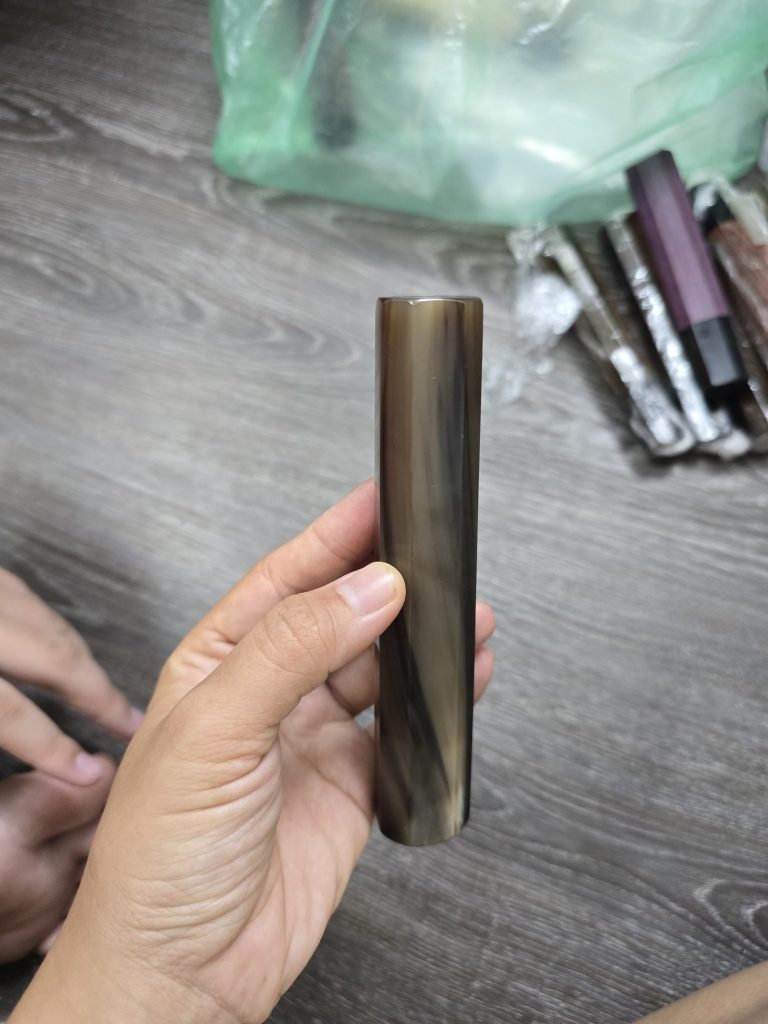
Mistake 1: Using a size label as proof of tang fit
Small, medium or large can describe a starting external proportion. It cannot establish whether a particular tang suits a particular opening. Tang dimensions vary between knives, including knives with similar blade lengths or familiar maker and model names.
Use the wa-handle size guide to consider external proportion, then assess tang compatibility separately. Profile labels also need interpretation: “oval,” “octagonal” and “D-shaped” do not by themselves specify width, height or corner easing. A D-shaped handle additionally requires the user’s handedness. A symmetric oval or octagonal handle does not change the handedness of a single-bevel blade.
Mistake 2: Choosing appearance or mass before proportion and balance
A dramatic wood, a larger body or a higher-priced option is not automatically a better match. More material—and, in general, a denser material—adds mass behind the blade. Whether that is welcome depends on the existing knife and the user’s preferred grip and balance.
Correct this by considering comfortable clearance, external proportion and the knife’s current balance before narrowing the visual choice. Do not assume every larger knife needs the largest handle, and do not rank unspecified wood samples by an imagined balance improvement. Appearance matters, but it cannot resolve a poor physical match.
Mistake 3: Treating the hidden tang as measured
A secure installed handle should remain installed. Close side and spine photographs of its junction can show accessible height, thickness, alignment and condition, but these are partial observations—not hidden tang dimensions. Maker, model and photographs cannot establish everything concealed inside the handle.
If the tang is already exposed, record exactly three primary dimensions in millimetres: usable length from the shoulder or seating line to the tip, height near the shoulder, and face-to-face thickness at that same station. Do not infer thickness from a side view or substitute overall knife dimensions for these readings.
The custom-fit photo guide explains which views document each condition. Handle length, blade length, maker and model, and wider photographs remain optional context. The correction is to separate what is visible, what has actually been measured and what is still unknown; unclear evidence calls for clarification rather than a compatibility claim.