There is no universal calendar for oiling a wa handle. First identify the handle’s finish, then follow the maker’s maintenance guidance for that finish. Condition—not a weekly or monthly reminder—should decide whether any product is needed. Oil belongs only on a clean, dry, stable handle with a finish meant to receive it. It is not a repair for movement, cracking, or a wet blade-to-handle joint, and it cannot secure a loose tang.
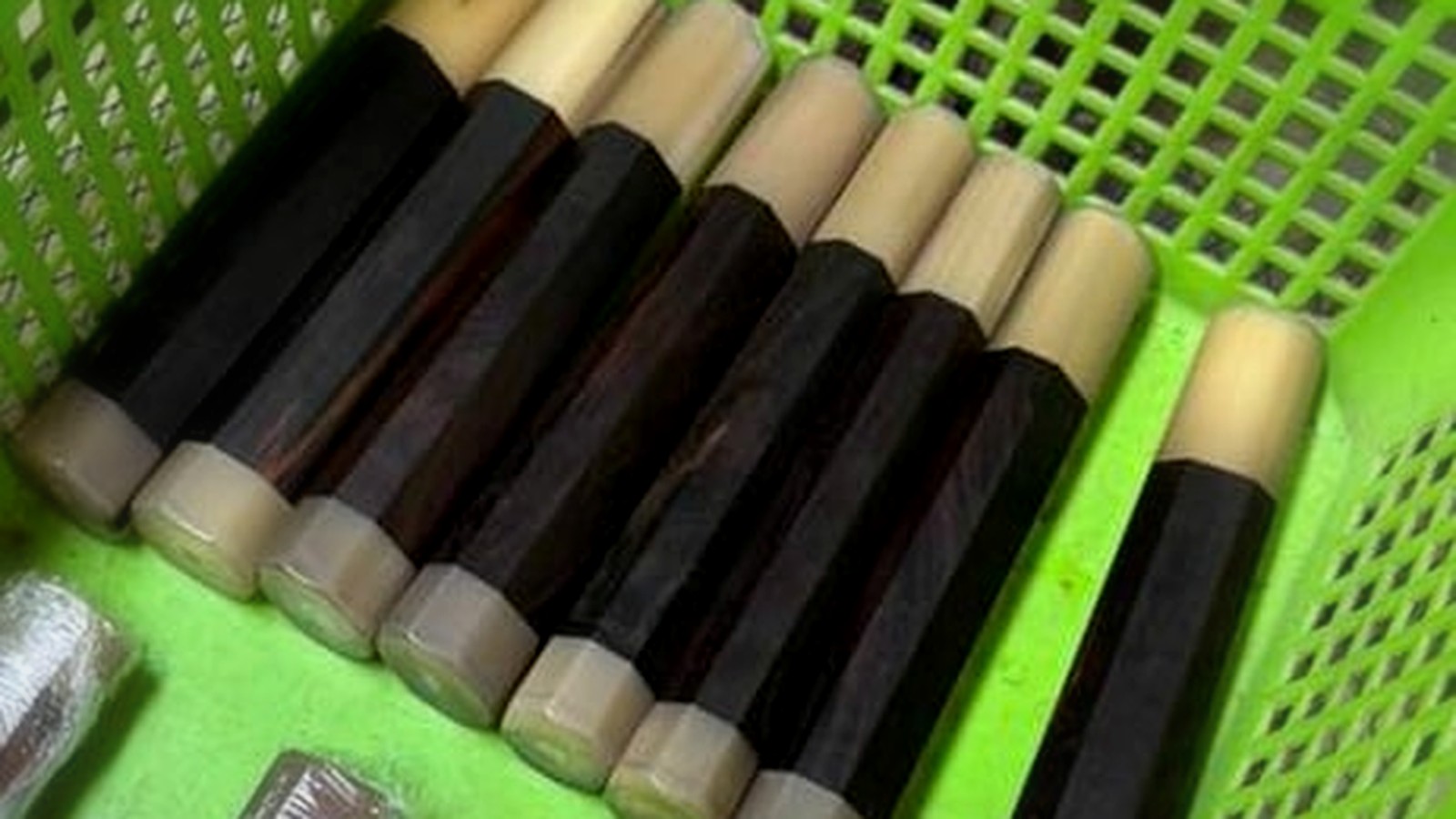
Let the finish decide
“Wooden handle” does not describe one maintenance need. A handle may be unfinished, oil-finished, waxed, or protected by a cured film; stabilized wood and composite parts may have different instructions again. A product that belongs on one surface should not be treated as a default for every Horn & Grain wood or finish.
If you know who made the handle, check three things before doing anything:
- What finish is on the wood?
- Does the maker recommend a maintenance product for it?
- What change in appearance or feel does the maker use as the signal to apply it?
If the finish is unknown, pause rather than guessing. A popular oil is not automatically compatible with the surface in front of you.
Check the handle when it is clean and dry
Make the decision from observation. After ordinary hand washing, wipe the handle and the blade-to-handle junction promptly, then inspect them once dry. Keep your fingers clear of the edge and look at the same areas each time.
Start with the wood surface. Has it become noticeably dull, pale, rough, or chalky compared with its usual condition, or does it still look and feel even? Then inspect the ferrule, the seam between materials, and the junction where the blade enters the handle. Check for:
- any crack in the wood or ferrule
- a gap that has appeared or widened
- movement between the blade and handle
- swelling, stickiness, or a sour odor
- moisture that remains at the junction
A dry-looking surface on an otherwise firm handle may be a finish-maintenance question. A handle that still looks and feels normal does not need oil merely because a date has arrived. The warning signs above call for assessment, not another coat.
When a light maintenance coat is appropriate
Oil only when the handle is structurally sound, completely dry, and its known finish is meant to receive the maker-recommended product. Use the amount and application method given for that finish. Keep the coat restrained and even, wipe away the excess, and follow the maker’s instructions before putting the knife back into use or storage.
If the maker says the existing finish does not need oil, leave it alone. Do not keep applying product to chase a universal idea of how wood should look or feel.
Oil can refresh a compatible surface finish. It does not rehydrate wood, make a handle waterproof, close a crack, bond a loose tang, or seal moisture inside a joint. Those are different problems and need different responses.
Stop when the problem is more than surface dryness
Any movement, cracking, or persistent moisture at the junction takes the handle out of routine-oiling territory. Set the knife aside from wet work and have the handle and fit assessed before adding oil, glue, or another finish. The same caution applies to a widening gap, swelling, stickiness, or a persistent sour odor.
Do not remove a secure installed handle simply to perform routine maintenance. Leave it in place; the visible junction offers useful but partial evidence. If the handle moves or cracks, the job has changed from surface care to fit or structural assessment.
Use a condition-led routine
The useful habit is simple: hand-wash the knife, never soak it or put it in a dishwasher, dry the handle and front junction promptly, and store it dry away from direct heat. When the surface changes, identify the finish and compare what you see with the maker’s guidance. Apply a compatible maintenance product only when the finish and condition both call for it.
For cleaning, drying, storage, and warning signs around the ferrule and tang, keep the wa handle care guide with this page.
That turns “how often?” into a practical answer: as the known finish requires and the handle’s condition shows—not according to a universal calendar.